News Summary
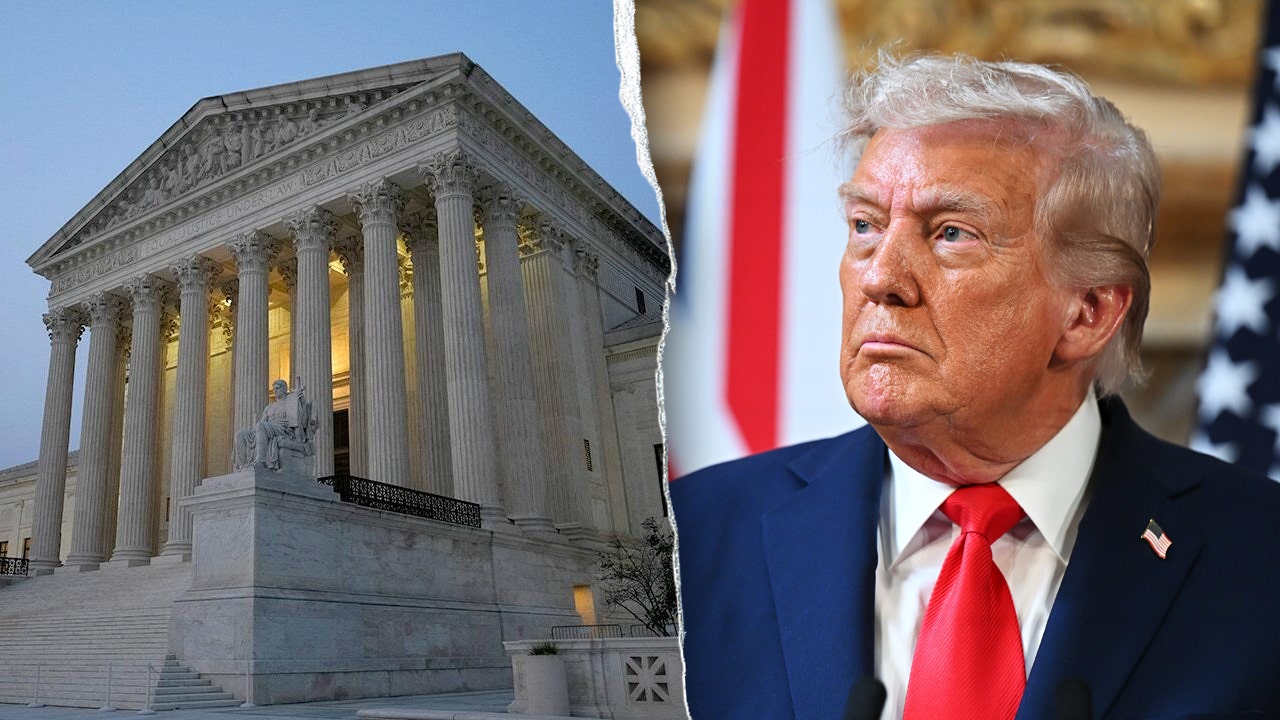
The article reports that the U.S. Supreme Court has 23 unresolved cases as its term nears recess, and highlights 11 high-profile opinions that could affect President Donald Trump’s agenda and presidential authority. Key cases include: a challenge to Executive Order 14160 that seeks to limit birthright citizenship; disputes over the administration’s attempts to end Temporary Protected Status for migrants from several countries; Trump v. Cook and Trump v. Slaughter addressing whether the president can remove officials from independent agencies (including a Federal Reserve governor and an FTC commissioner); a campaign‑spending case about coordinated party expenditures; an election law dispute over whether states may count timely‑mailed ballots received after Election Day (the Mississippi grace‑period issue); two cases on state bans restricting transgender females from competing in female athletic teams (Little v. Hecox; West Virginia v. B.P.J.); a Hawaii law limiting concealed-carry on private property open to the public; and a Second Amendment case about whether habitual marijuana use bars firearm possession under federal law (Section 922(g)(3)). The article notes that many cases share a common theme of defining presidential power and the balance among the White House, Congress, and courts, and it summarizes signals from oral arguments and the court’s conservative majority that could influence outcomes.
Biblical Reflection
From a Christian pastoral perspective, these court decisions matter because they shape structures that affect vulnerable people’s lives, civic trust, and how power is exercised in our nation. The reporting frames the term largely as tests of presidential authority and Trump’s policy priorities; that framing is accurate in focus but reflects a political angle consistent with the outlet’s audience—readers should note emphasis and language that can steer interpretation toward partisan stakes. Objectively, many cases have concrete consequences (immigration status for over a million people, voting rules that affect election administration, agency independence that shapes regulation, and rights claims by transgender students), so evaluating them requires charity toward persons affected and sober attention to legal reasoning rather than partisan cheers or alarmism. Spiritually, Christians are called to value justice and mercy: we should pray for judges to act with wisdom and impartiality, advocate for laws and policies that protect the vulnerable, and resist reducing institutions to tools for political victory. At the same time, humility is needed in recognizing the courts’ role in checking majoritarian impulses and in preserving space for conscience and religious conviction. Finally, discernment requires checking multiple sources, reading primary opinions when available, and separating likely legal outcomes from media speculation.
Scripture in context
This outlook does not yet include contextual Scripture citations. Do not treat a general biblical theme as an exegetical conclusion.
Faithful Response
No prescribed response is offered. Consider the reflection prompts below in your own church context.
Reflection and Discussion
- 1Whose needs and vulnerabilities are centered in this coverage—political actors or ordinary people affected by the rulings?
- 2Which decisions would most change how power is exercised across agencies and elections, and how should that shape our civic prayers and engagement?
- 3How can Christians hold both a commitment to lawful institutions and a prophetic concern for the marginalized when court outcomes disappoint or empower political agendas?
Sources
Reporting links are evidence inputs; Sanctuary News' biblical reflection is commentary.
This outlook currently relies on fewer than two linked sources. Broaden verification before teaching from it.
- 1.Original reportprimary