News Summary
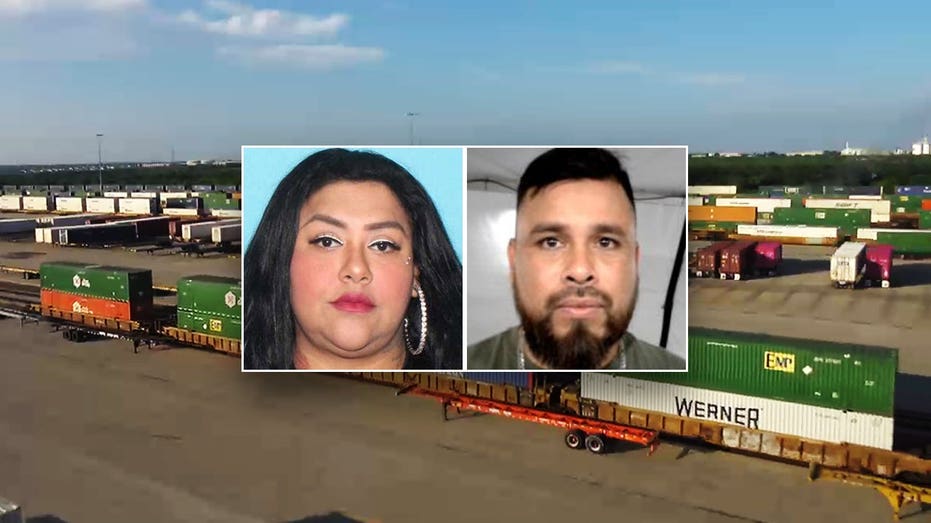
Reported facts: According to the supplied report, eleven people were indicted in an alleged Texas smuggling scheme after seven migrants were found dead inside a shipping container on a Union Pacific train in Texas; one of the deceased was 14 years old. Attributed claims: The article characterizes the matter as an alleged smuggling scheme tied to the deaths and states that indictments have been issued. Uncertainty: The supplied report does not provide details about who was indicted, the formal charges, the timeline of events, victims' nationalities, how the victims came to be in the container, or investigative findings.
Source and Framing Analysis
Material uncertainty: the article provides only a brief account and lacks key factual details (names of the indicted, charges, investigative evidence, exact location and timing). The framing is factual and criminal-focused but limited in scope; it does not explore root causes of migration, the mechanics of the alleged smuggling operation, or institutional responsibilities. Because only a single news report is supplied, corroboration and fuller context are missing.
Biblical Reflection
This incident surfaces competing Christian obligations: to mourn and to seek justice. The immediate response should be grief for lost lives—especially the child—and a demand that the legal process pursue accountability for any who exploited and endangered human beings. At the same time, faithful discipleship calls for mercy toward migrants, many of whom flee danger or poverty; we must avoid reducing people to policy talking points.
The story also exposes broader systemic realities: criminal networks exploit vulnerability, and social, economic, and political conditions often drive desperate journeys. Christians should press for honest inquiry into how such harm was allowed to occur and advocate for practical measures that protect life—safer legal pathways, better enforcement against exploiters, and support for communities that receive migrants. Finally, our public posture should aim for truth-telling without scapegoating, compassion without naivety, and justice without cruelty.
Practically, this means holding perpetrators accountable, offering pastoral care to affected families, supporting organizations that aid migrants, and pushing civic leaders for policies that reduce the conditions that make smuggling lucrative.
Scripture in context
- 1Matthew 25:31-46 (Sheep and Goats) — In this teaching, Jesus contrasts those who care for the hungry, thirsty, stranger, naked, sick, and imprisoned with those who do not; the passage addresses moral responsibility toward vulnerable neighbors in the community of faith. — The passage challenges believers to see service to vulnerable people as service to Christ; it calls Christians to practical compassion (feeding, sheltering, visiting) and to defend the dignity of those whom society marginalizes.
Faithful Response
Pray specifically for the victims, their families, investigators, and vulnerable migrants.
Support reputable local organizations that offer legal aid, shelter, or medical care to migrants and victims of trafficking.
Advocate for policies that reduce exploitation: stronger enforcement against human smuggling and expansion of safe, legal migration pathways.
Encourage local churches to prepare pastoral care resources for immigrant families and to avoid rhetoric that dehumanizes migrants.
Reflection and Discussion
- 1When you hear about migrants harmed in transit, what instinctive judgments arise, and how do they align with Jesus' call to love the neighbor?
- 2What practical steps can your church take to both prevent exploitation and respond compassionately to survivors?
- 3How does this tragedy shape your view of the relationship between policy, economic conditions, and human dignity?
Sources
Reporting links are evidence inputs; Sanctuary News' biblical reflection is commentary.
This outlook currently relies on fewer than two linked sources. Broaden verification before teaching from it.
- 1.Eleven indicted in alleged Texas smuggling scheme that left 7 migrants dead in shipping containerprimary_reporting