News Summary
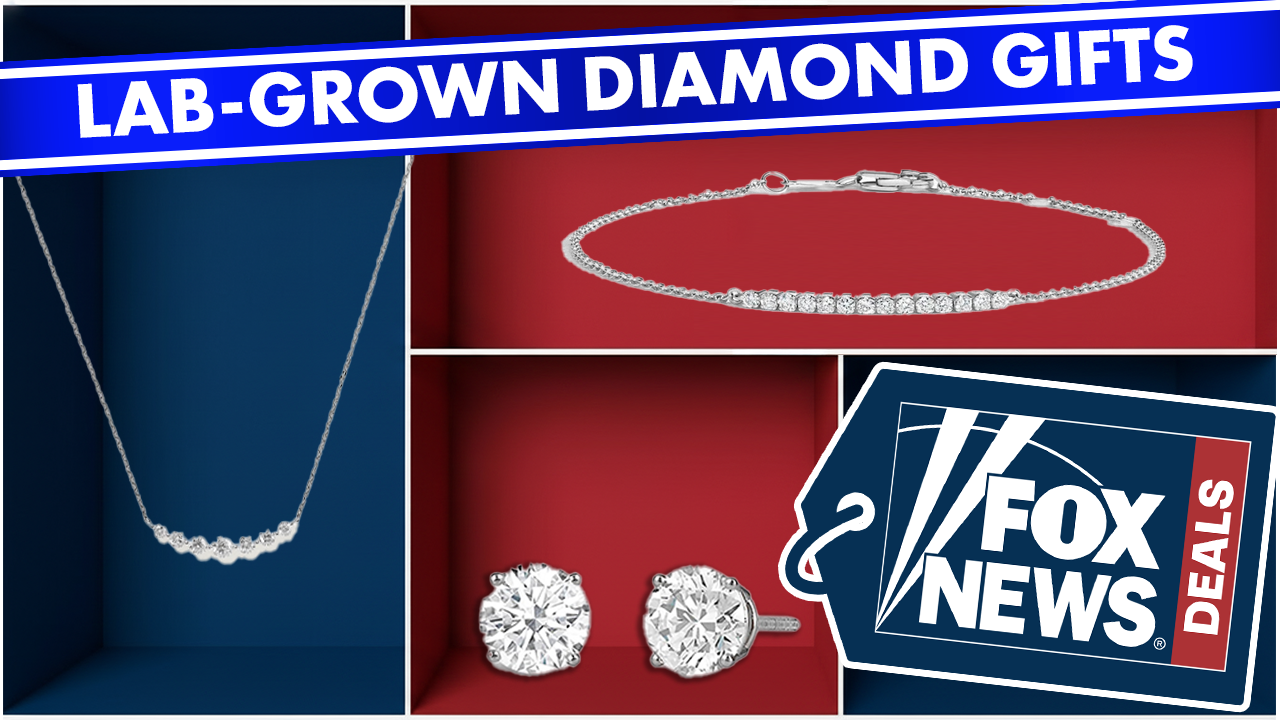
A Fox News commerce article by Christopher Murray lists 10 lab-grown diamond jewelry options intended as Mother’s Day gifts, with prices starting at about $200. The piece highlights specific items from brands such as With Clarity, Quince, Brilliant Earth, VRAI and others — including studs, necklaces (including a diamond cross pendant), bracelets and tennis bracelets — and describes metal types, diamond cuts, carat totals, closures, adjustable chain lengths and current sale discounts. The article frames lab-grown diamonds as visually equivalent to mined diamonds at lower price points and links to retailer deals and other discounted jewelry items. It includes standard copyright and content-distribution disclaimers and notes the author’s role as a commerce writer.
Biblical Reflection
The article is primarily consumer-oriented and promotional: its purpose is to present gift ideas and price-conscious options. Factually, lab-grown diamonds are presented correctly as providing the same optical properties as mined diamonds for less; the piece focuses on style, price, and brand options rather than ethics or environmental impact. From a Christian perspective, several considerations arise. First, the piece reflects a marketplace worldview that equates meaningful celebration with purchasable goods — a common cultural assumption but one Scripture warns about when possessions become ends in themselves (see Matthew 6:19-21). Second, lab-grown diamonds may reduce ethical concerns associated with mining, but the article does not address stewardship of resources, fair labor, or the marketing incentives and affiliate relationships that often drive commerce coverage. Christians should therefore read promotional shopping content with discernment: appreciate beauty, generosity, and the joy of giving, but resist equating love or spiritual worth with material value. Gifts that point to faith and relationship (for example, a cross pendant given as a faith symbol) can be appropriate and meaningful; the deeper question is motive and stewardship — are purchases made out of love and care, within means, and in ways that honor God and neighbor? Finally, consider gratitude and relational presence as the highest goods — a thoughtful, affordable gift given in humility can reflect Christian virtues more than an expensive item given for status.
Scripture in context
This outlook does not yet include contextual Scripture citations. Do not treat a general biblical theme as an exegetical conclusion.
Faithful Response
No prescribed response is offered. Consider the reflection prompts below in your own church context.
Reflection and Discussion
- 1Does the article encourage equating love or respect with the price or brand of a gift, and how should that shape a Christian's approach to gift-giving?
- 2What elements of stewardship (budgeting, ethical sourcing, generosity to others) are absent from this commerce piece, and how might bringing those into the decision change the purchase?
- 3When a gift references faith (for example, a cross pendant), does the presentation focus on spiritual meaning or on appearance and status — and how should that influence what we choose to give?
Sources
Reporting links are evidence inputs; Sanctuary News' biblical reflection is commentary.
This outlook currently relies on fewer than two linked sources. Broaden verification before teaching from it.
- 1.Original reportprimary