News Summary
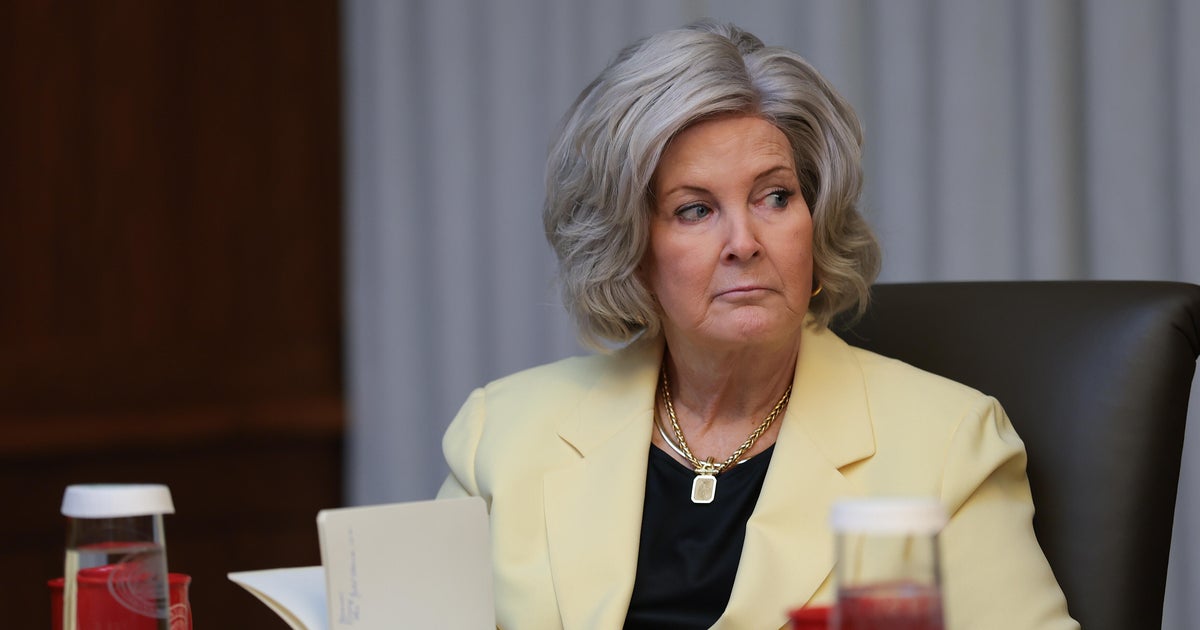
Mainstream outlets report that White House Chief of Staff Susie Wiles underwent a medical procedure at the Mayo Clinic earlier this week (CBS News) and that she has said she is cancer-free (CBS News; Fox News). Fox News additionally reports that Mayo Clinic pathology results "came back clear" and places this update about six months after an earlier breast cancer diagnosis. The supplied coverage does not include independent Mayo Clinic confirmation, clinical records, direct quotes attributable to Wiles or a named spokesperson in the excerpts, exact dates, the medical nature of the procedure, or information about any impact on her work schedule.
Source and Framing Analysis
Two mainstream news outlets are the basis of the cluster. CBS News supplies a concrete timing-and-location detail: that Susie Wiles had a medical procedure at the Mayo Clinic "earlier this week." Fox News supplies an outcome-oriented detail not present in the CBS excerpt: that Mayo Clinic pathology results "came back clear" and situates the update roughly six months after a reported breast cancer diagnosis. Neither supplied excerpt includes a direct Mayo Clinic statement or clinical documentation; neither provides medical explanation of what "clear" means clinically or a dated, attributable quote in the supplied text. Framing is personal-health focused and non-political in the supplied excerpts, which reduces sensationalism but leaves medical specifics and independent confirmation unaddressed. The omissions create space for reasonable uncertainty about clinical meaning (e.g., what specimens or tests are referenced) and about the original source of the result (Wiles, a spokesperson, or an institutional release).
Free every morning
Get the Daily Briefing
The stories shaping today—sourced carefully and considered through Scripture. No outrage bait.
Confirm by email. Unsubscribe at any time.
How sources covered this story
Sanctuary separately assesses reporting quality and alignment with Christian virtues. The virtues assessment considers truthfulness, dignity, compassion, justice, peacemaking, humility, and care for vulnerable people. It does not assess a publisher's faith or reward religious language.
Compare 2 reports
Reporting 78/100Virtues 80/100
- Distinctive contribution
- States that Mayo Clinic pathology results 'came back clear' and situates the outcome six months after her breast cancer diagnosis.
- Framing
- Direct and declarative: presents the outcome (pathology clear) and links it to a prior breast cancer diagnosis and a six-month timeframe. Implicitly attributes the information to Wiles as the revealer but does not include a direct quote or named source in the excerpt.
- Omissions or uncertainty
- Does not show the original statement or source (press release, social post, White House statement), lacks medical specifics (what pathology was performed), no comment from medical professionals, and no detail on follow-up care or monitoring.
- Why these scores
- The excerpt conveys a clear, material medical result and a timeline, which are useful and specific. It could be stronger with explicit sourcing (where/how Wiles 'revealed' results), direct quotes, and medical context; nevertheless it responsibly reports the core claim without sensational language. Respectful, factual reporting of a serious health matter without demeaning language or exploitation. The excerpt treats the subject with restraint; it neither sanctifies nor sensationalizes the personal health news.
Reporting 70/100Virtues 80/100
- Distinctive contribution
- Confirms a recent medical procedure at the Mayo Clinic and that CBS News first reported the development.
- Framing
- Brief, factual statement without emotive language; frames the item as a recent medical procedure and attributes the scoop to CBS News.
- Omissions or uncertainty
- Does not specify type of procedure, who announced the outcome, whether pathology results were clear, any quote from Wiles or medical professionals, follow-up plans, or clinical details about her diagnosis or prognosis.
- Why these scores
- Concise and factual for a brief news notice; it attributes the scoop to CBS and specifies timing and location (Mayo Clinic). Limitations: extremely short, lacks medical or source detail and follow-up context, but does not make unsupported claims. Neutral, respectful wording about a health matter; no sensationalism or dehumanization. The excerpt lacks explicit compassion or broader context for vulnerable people but does not violate virtues of truthfulness or dignity.
Biblical Reflection
A Christian response to the report that White House Chief of Staff Susie Wiles is cancer-free centers thanksgiving for reported good news, compassion for the whole person (physical, emotional, vocational), humility about limits of public reporting, and protection of privacy and dignity. This is primarily a pastoral moment rather than a policy story: celebrate the positive report without speculation, offer prayer and concrete support, avoid politicizing or exploiting health information, and hold public figures to the same standards of respect and care we offer private neighbors.
Scripture in context
- 12 Corinthians 1:3-4 (contextual reference) — Paul’s teaching about God as a comforter in suffering invites believers to receive thanksgiving for good news and to turn that gratitude into practical care and consolation for those who continue to suffer. It also counsels restraint against exploiting vulnerability for other ends.
Faithful Response
Offer thanksgiving and prayer for the reported clear pathology and for caregivers involved in treatment.
Respect privacy: avoid amplifying unverified medical details, and refrain from speculative commentary about cause, prognosis, or work capacity.
Provide pastoral and practical support to those in your congregation and community who face cancer—meals, rides, pastoral counseling, and support groups—without using a public figure’s illness as political material.
Advocate humility in public conversation: acknowledge medical uncertainty and avoid definitive prognostic statements based solely on news reports.
If appropriate and welcomed, communicate a brief public prayer or note of thanksgiving while protecting sensitive personal details and avoiding sensational language.
Free every morning
Get the Daily Briefing
The stories shaping today—sourced carefully and considered through Scripture. No outrage bait.
Confirm by email. Unsubscribe at any time.
Reflection and Discussion
- 1How does my response to public health updates show respect for individuals’ dignity and privacy?
- 2In what concrete ways can my faith community accompany those undergoing cancer treatment?
- 3How should we balance gratitude for positive news with pastoral care for others whose outcomes remain uncertain?
- 4When a public servant reports health information, what boundaries should Christians hold between legitimate public interest and intrusive curiosity?
Sources
Reporting links are evidence inputs; Sanctuary News' biblical reflection is commentary.
- 1.White House chief of staff Susie Wiles says she's cancer-freeprimary_reporting
- 2.White House Chief of Staff Susie Wiles announces she is cancer freeadditional_reporting