News Summary
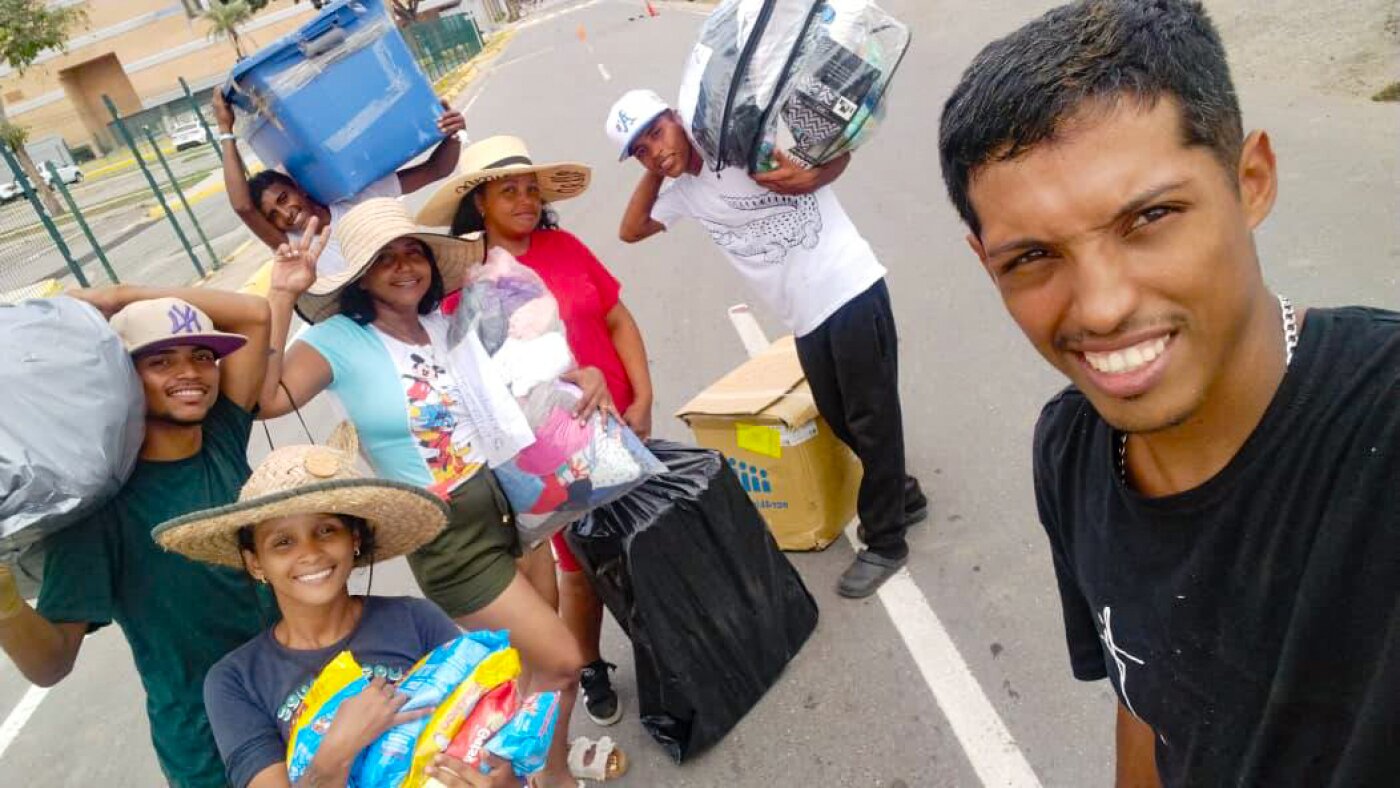
Twin earthquakes on June 24 severely damaged parts of Venezuela, especially La Guaira state, leaving at least 3,535 people dead, about 16,700 injured, and an estimated 18,000 homeless. Several hospitals were critically damaged or partially functional and health workers were among the victims. Displacement and damaged infrastructure have produced immediate health problems (dehydration, respiratory infections, diarrhea, skin conditions, exacerbations of chronic disease such as asthma) and increased risk of outbreaks. International organizations (WHO, UNICEF, International Federation of Red Cross and Red Crescent Societies) and NGOs (Samaritan's Purse, Project Hope) have deployed field hospitals, mobile clinics, medical supplies, and vaccines; WHO has delivered initial tons of supplies and more aid is en route. The article notes Venezuela entered the disaster with a severely weakened health system—shortages of essential medicines, falling vaccination rates, and loss of medical personnel amid hyperinflation, sanctions, and emigration—making the emergency response more difficult. Local volunteers, nonprofits, and community networks have been filling gaps alongside formal aid. The piece centers personal accounts (e.g., a woman displaced who lacked asthma medication) and statements from health officials and aid workers.
Biblical Reflection
The article presents a credible, sourced account of a humanitarian and public-health emergency. Its emphasis on human stories and operational details helps readers grasp suffering and immediate needs, while noting systemic causes (economic collapse, medicine shortages, emigration of doctors). As Christians we are called both to lament and to act: lament for loss and systemic injustice, and to practice neighbor-love through aid, advocacy, and prayer. The reporting leans toward humanitarian reporting rather than partisan analysis; readers should still recognize complexity—political decisions, international policy, and local governance all contributed to a fragile health system. The clear moral demands are mercy toward victims, humility about easy solutions, courage to press for accountability and sustainable rebuilding, and practical solidarity with those serving on the ground. Christian response should combine short-term relief with long-term concern for restoring institutions that protect the vulnerable.
Scripture in context
This outlook does not yet include contextual Scripture citations. Do not treat a general biblical theme as an exegetical conclusion.
Faithful Response
No prescribed response is offered. Consider the reflection prompts below in your own church context.
Reflection and Discussion
- 1How does this story challenge the assumption that emergency needs are only short-term rather than linked to deeper systemic failures?
- 2What biases might lead coverage to emphasize immediate rescue over long-term rebuilding, and how should Christians weigh both needs?
- 3In responding, how should we balance prayers and donations with calls for policies that restore healthcare access and institutional resilience?
Sources
Reporting links are evidence inputs; Sanctuary News' biblical reflection is commentary.
This outlook currently relies on fewer than two linked sources. Broaden verification before teaching from it.
- 1.Original reportprimary