A little more detail
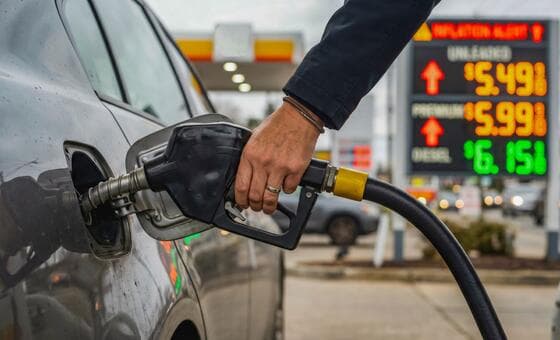
UN News summarizes a UNCTAD report saying that when war closed the Strait of Hormuz in February, global oil prices rose sharply. The brief piece attributes the conclusion to UNCTAD and highlights that developing economies have shouldered higher relative fuel costs at the pump.
The short item does not include numeric estimates, country-level breakdowns, or methodological detail. UNCTAD is cited as the source; the summary leaves open how large the price impacts were, which countries were hardest hit, and over what time frame.
Source and Framing Analysis
This is a concise UN News summary of a UNCTAD report. The story attributes the causal link (February closure of the Strait of Hormuz → oil price spike → heavier relative pump costs for developing economies) to UNCTAD. Major uncertainties remain: no numeric price changes, no country or regional breakdowns, no explanation of mechanisms or timeframe, and no alternative sources or expert counterpoints. Framing is causal and focused on inequality; the article responsibly attributes the claim but leaves material detail unresolved.
How sources covered this story
This section compares the evidence and framing in linked reports. The Christian assessment above addresses the conduct described in the story; it does not grade a journalist’s faith or the morality of covering an event.
Compare 1 reports
Reporting 78/100
- Distinctive contribution
- Explicitly ties the February shutdown of the Strait of Hormuz to worldwide oil price increases and notes that UNCTAD finds developing economies suffered the most at the pump.
- Framing
- Causal and inequality-focused: frames the event (war-related shutdown) as producing a global price shock with asymmetric effects that hit developing economies hardest; presentation is attributable to UNCTAD.
- Omissions or uncertainty
- No quantitative data or metrics (how much higher prices, which countries/regions most affected). No explanation of the mechanisms making developing economies more vulnerable, no timeframe/year beyond 'February', and no alternate sources or countervailing views included.
- Why these scores
- Concise and responsibly attributed ('according to a new report from UNCTAD'), identifies a clear cause-and-effect relationship and global equity dimension. Lacks supporting numbers, detail, and nuance but does not make unsupported claims; fits the purpose of a short news brief.
Christian commentary · About the conduct described in this story
Biblical Reflection
urges believers to live at peace with others when possible; Paul’s counsel comes amid broader teachings that prioritize peacemaking and care for the vulnerable. When conflict drives up essentials like fuel, the moral demand is practical: protect those who suffer most.
Keep checking source metadata, impact scoring, and the UNCTAD report itself before acting. A realistic step for Christians is to support vetted relief efforts and press public leaders for diplomacy and humanitarian aid aimed at the poorest communities.
Scripture in context
- 1 — Paul’s instruction within a broader ethical section urging peaceful, humble community living and avoidance of unnecessary conflict. — This passage frames peacemaking as a concrete duty. When geopolitical violence raises the cost of essentials, Christians are called to pursue peace and to protect those who suffer economically.
A suggested response for readers, separate from the assessment above.
Faithful Response
Give to a trusted humanitarian organization assisting communities hit by energy price shocks, and encourage your church to collect and send targeted relief.
Reflection and Discussion
- 1Which communities bear the greatest burden when global conflict raises essential prices?
- 2How should Christian peacemaking and charity respond when economic shocks deepen poverty abroad?
Sources
Reporting links are evidence inputs; Sanctuary News' biblical reflection is commentary.
This is a developing, single-source report. Details may change as more reporting becomes available.
- 1.Fuel price shock: Why developing economies are paying the most at the pumpofficial_document