News Summary
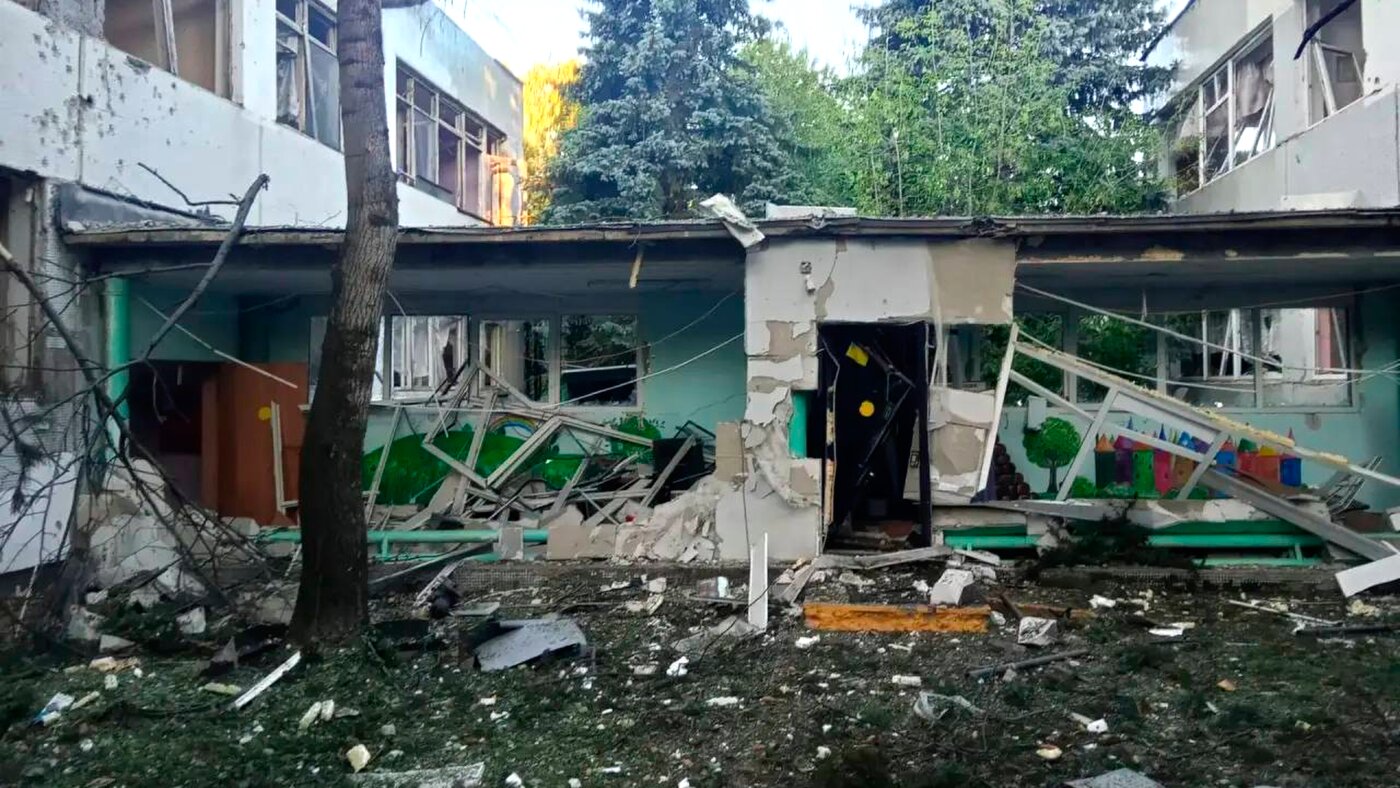
Reported facts: Russian regional officials said overnight Ukrainian drone strikes hit facilities in Kotovsk (Tambov), Elektrostal (near Moscow), Noginsk (oil depot), and Vladimir, causing fires, evacuations, eight reported deaths and over 60 wounded. Russian officials also reported intercepting hundreds of drones across many regions. Attributed claims: Ukrainian President Zelenskyy said the strikes hit logistical facilities supplying components for drones and navigation equipment; Russian officials gave casualty and interception figures. Uncertainty: casualty totals, the specific functions of the struck facilities, and the precise number of drones intercepted rely on official statements and footage; independent verification is not provided in the article.
Source and Framing Analysis
Role of sources: The story is built on statements from Russian regional governors, the Russian Defense Ministry, and a public comment from Ukrainian President Zelenskyy, as reported by NPR and CBS (AP reporting). Missing voices: independent investigators, humanitarian or medical spokespeople verifying casualty and evacuation details, on-the-ground civilian eyewitnesses with independent confirmation, and an explicit operational claim from the Ukrainian military beyond the presidential post. Incentives and framing: in wartime both sides have incentives to shape narratives — Russia to document domestic impact and justify responses, Ukraine to highlight strikes on military/logistical targets. The piece is straightforward in attribution but does not resolve contested factual elements (exact casualty counts, verification of the facilities’ roles). Items needing independent verification include casualty lists, satellite or independent imagery confirming the targets and damage, and corroboration about whether facilities were directly involved in weapons production or supply.
Free every morning
Get the Daily Briefing
The stories shaping today—sourced carefully and considered through Scripture. No outrage bait.
Confirm by email. Unsubscribe at any time.
Biblical Reflection
This report describes lethal cross-border operations in an ongoing war. Christian discernment requires attention to both truthfulness of reporting and the moral weight of actions described. The article relies largely on official statements from Russian regional authorities and on a Ukrainian presidential post; both sides have incentives to emphasize particular facts (casualty counts, target descriptions, strategic rationale). The underlying worldview expressed by the combatant statements treats such strikes as a means of weakening an enemy’s war-making capacity, while the human facts — deaths, wounded civilians, evacuations of a maternity hospital and damage near a kindergarten — call the church to lament and to demand protection for noncombatants. From a biblical-ethical perspective, even when a state pursues legitimate security aims, the protection of innocent life, proportionality, and clear efforts to avoid civilian harm are essential. Christians should be suspicious of claims presented without independent verification and mindful that wartime language can dehumanize those who suffer. Practically, the faithful response combines honest appraisal of facts, refusal to cheer the suffering of civilians, vocal advocacy for the vulnerable, and prayer for an end to violence.
Scripture in context
- 1Matthew 5:9 — Part of the Sermon on the Mount where Jesus states the attitudes and actions characteristic of life in God's kingdom, including being peacemakers. — This passage calls Christians to seek and promote peace actively; in the context of violence it challenges believers to prioritize peacemaking and reconciliation rather than tribal celebration of enemy harm.
- 2Romans 12:17-21 — Paul instructs believers on ethical conduct toward enemies, urging non-retaliation, blessing persecutors, and leaving vengeance to God while overcoming evil with good. — These verses urge restraint from vengeance and a focus on protecting the vulnerable and seeking justice without mirroring the methods of aggressors — a frame for Christian civic and pastoral response to reports of civilian harm.
Faithful Response
Pray for all civilians harmed and for clear, verified information about their needs.
Support credible humanitarian organizations assisting civilians affected by the conflict (medical aid, shelter, evacuation assistance).
Resist dehumanizing language about people on the other side and speak publicly and privately with compassion for victims regardless of nationality.
Advocate for policies and actions that prioritize protection of noncombatants and adherence to international humanitarian norms.
Free every morning
Get the Daily Briefing
The stories shaping today—sourced carefully and considered through Scripture. No outrage bait.
Confirm by email. Unsubscribe at any time.
Reflection and Discussion
- 1Which parts of this story are directly attributed to Russian officials or to Ukraine’s president, and which parts have independent verification?
- 2What practical steps can Christians take to protect civilians and offer relief without becoming instruments of partisan propaganda?
- 3How might pride, patriotism, or fear be shaping both the public narrative and my personal reaction to these reports?
Sources
Reporting links are evidence inputs; Sanctuary News' biblical reflection is commentary.
- 1.Ukrainian Drone Attacks Kill 8, Wound Over 60 in Russiaprimary_reporting
- 2.Ukrainian Drone Strikes Kill Eight Inside Russiaadditional_reporting