News Summary
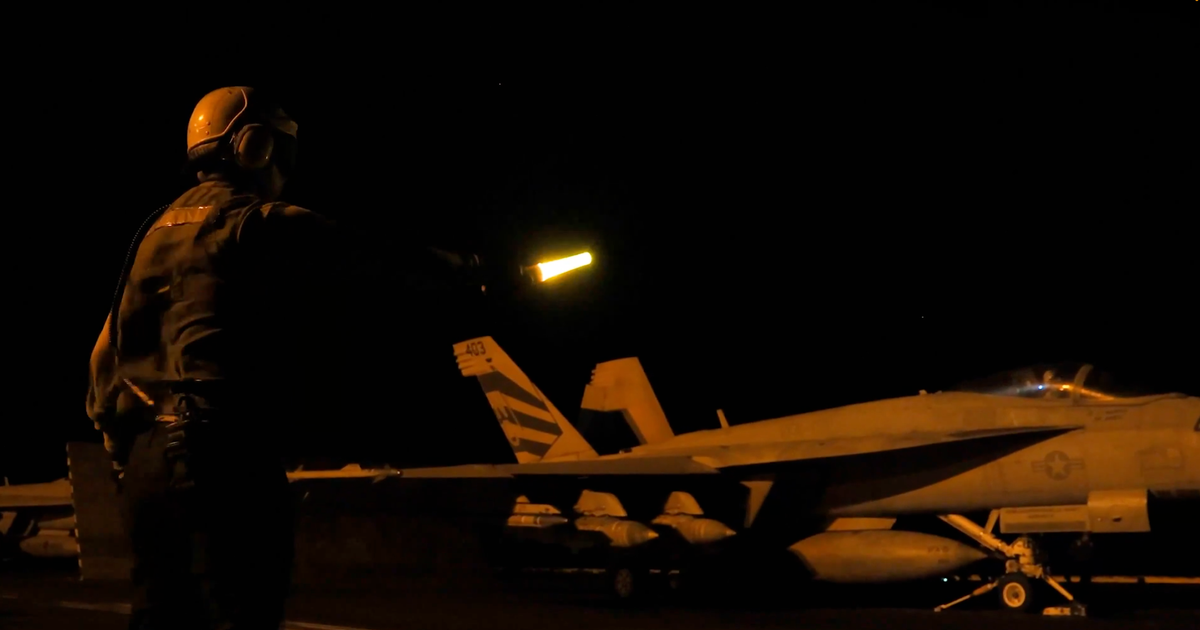
Updated July 13, 2026: Fighting between U.S. forces and Iranian military elements continued into a second week after renewed U.S. strikes that began June 7. The U.S. says it launched waves of strikes in retaliation for Iranian attacks on oil tankers in the Strait of Hormuz and a recent attack on a container ship that set it ablaze and left a crew member missing. CENTCOM reported strikes on Iranian air-defence systems, coastal radar sites, missile and drone capabilities, and small boats, and said U.S. forces employed fighter aircraft, naval vessels, one-way attack aerial drones, and one-way attack sea drones. Iran blamed the United States for escalating the situation and said U.S. actions disrupted arrangements Iran said it had been making to secure transit through the Strait of Hormuz. Iran’s Revolutionary Guards claimed strikes on Bahrain and Oman, including destruction of radar in Oman and strikes on U.S. facilities near Manama; Jordan reported intercepting and shooting down four missiles fired from Iran with no reported injuries. The U.N. Secretary-General warned that a return to full-scale hostilities would have catastrophic regional and global consequences. Brent and U.S. crude futures rose roughly 4–5% on the news. Both sides assert the other bears responsibility; diplomatic efforts to reach a ceasefire or broader peace deal have been described as faltering.
Biblical Reflection
From a Christian perspective, this reporting highlights the tragic human and material costs when diplomacy fails and force escalates. The article presents competing claims from both governments and international actors, but it mainly recounts military actions and official statements rather than independent verification of all combat claims and damages; readers should note that wartime statements frequently serve strategic messaging as much as factual reporting. The conflict threatens civilian sailors, port and regional populations, and global markets—groups who are often least able to bear the burden of geopolitical confrontation. Christian virtues call us to seek truth (discern verified facts over partisan claims), show mercy (concern for displaced, injured, or grieving civilians), practice humility (recognize complexities and limits of our information), and press for courageous peacemaking and protection of the vulnerable. Love of neighbor requires asking whether policies and tactics minimize harm to noncombatants and whether negotiators are prioritizing de-escalation. At the same time, Christians can hold both the need for legitimate defense and the imperative for sustained diplomatic engagement in tension—advocating for accountability, restraint, and concrete measures that restore safe commerce and protect civilian life.
Scripture in context
This outlook does not yet include contextual Scripture citations. Do not treat a general biblical theme as an exegetical conclusion.
Faithful Response
No prescribed response is offered. Consider the reflection prompts below in your own church context.
Reflection and Discussion
- 1Which claims in the reporting are independently verifiable and which are official assertions that could serve strategic aims?
- 2Who—civilians, sailors, regional states, global consumers—bears the immediate costs of this escalation, and how should that shape our moral evaluation?
- 3How does a Christian commitment to both justice and peacemaking affect how we weigh military retaliation against intensified effort for negotiated restraint?
Sources
Reporting links are evidence inputs; Sanctuary News' biblical reflection is commentary.
This outlook currently relies on fewer than two linked sources. Broaden verification before teaching from it.
- 1.Original reportprimary