News Summary
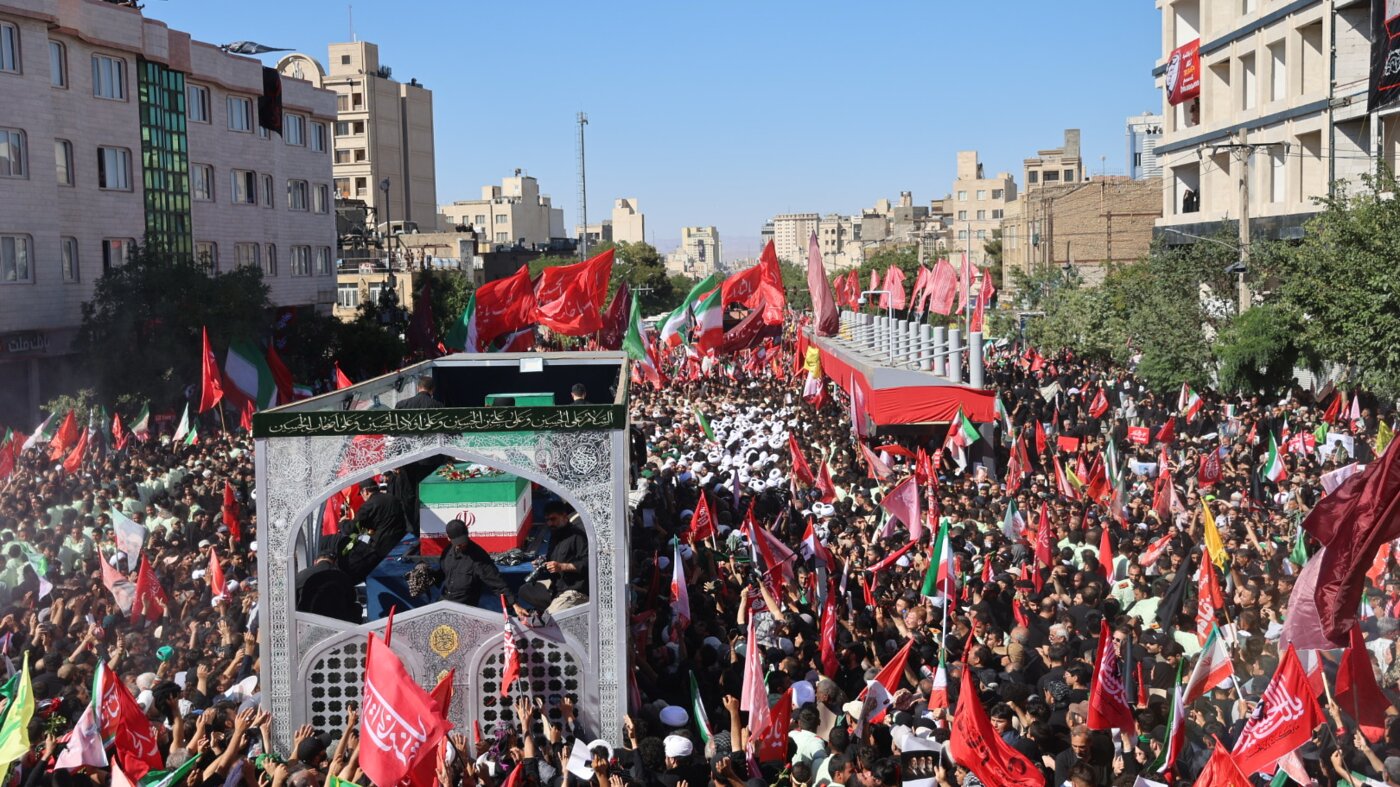
U.S. forces carried out multiple airstrikes against targets in Iran over two days. Iran responded by launching missiles and drones at U.S.-allied countries in the region, including strikes or attempted strikes toward Bahrain, Kuwait, Qatar and Jordan; some incoming fire was reported intercepted and at least one person in Kuwait was wounded by falling debris. Iran reported at least 14 dead and 78 wounded from U.S. strikes, mostly members of its armed forces. U.S. Central Command said it struck roughly 90 targets across Iran, releasing footage of strikes on runways and missile launchers and reporting damage to bridges and other infrastructure. Iranian state media reported explosions in several locations, including near the Bushehr nuclear power plant; U.S. releases did not mention that plant. The exchanges coincided with the funeral for Iran’s Supreme Leader Ayatollah Ali Khamenei, who was killed earlier in the conflict. U.S. President Donald Trump declared the recent interim ceasefire agreement “over,” saying recent Iranian attacks on ships in the Strait of Hormuz justified further action. Diplomats and regional officials reportedly engaged in calls seeking to reduce tensions and continue negotiations, with final-status talks planned to follow Khamenei’s funeral.
Biblical Reflection
This article documents a sharp escalation between the U.S. and Iran with spillover into neighboring countries, showing how military tit-for-tat actions can rapidly imperil fragile diplomatic arrangements and civilian safety. The reporting centers official military claims and casualty totals from state authorities; readers should note both sides have incentives to frame actions to justify retaliation and rally domestic support, so independent verification of some claims (especially strikes near civilian infrastructure) may be limited. From a Christian perspective we should weigh legitimate concerns about freedom of navigation and protection of lives against the moral costs of war: retaliatory cycles often dehumanize opponents, risk civilian harm, and harden attitudes that undercut reconciliation. The article’s framing emphasizes military activity and political rhetoric over humanitarian consequences and the voices of noncombatants; a gospel-shaped response calls for sober truth-telling about suffering, courageous pursuit of just peace, and careful discernment of narratives that equate national power with moral rightness.
Scripture in context
This outlook does not yet include contextual Scripture citations. Do not treat a general biblical theme as an exegetical conclusion.
Faithful Response
No prescribed response is offered. Consider the reflection prompts below in your own church context.
Reflection and Discussion
- 1Whose perspectives and suffering are absent or minimized in coverage that focuses on military claims and official statements?
- 2How might rhetoric that frames retaliation as inevitable shape public opinion and make negotiated peace harder to achieve?
- 3Are we equating national security objectives with moral certainty, and how does that affect Christians’ call to love neighbors and enemies?
Sources
Reporting links are evidence inputs; Sanctuary News' biblical reflection is commentary.
This outlook currently relies on fewer than two linked sources. Broaden verification before teaching from it.
- 1.Original reportprimary