News Summary
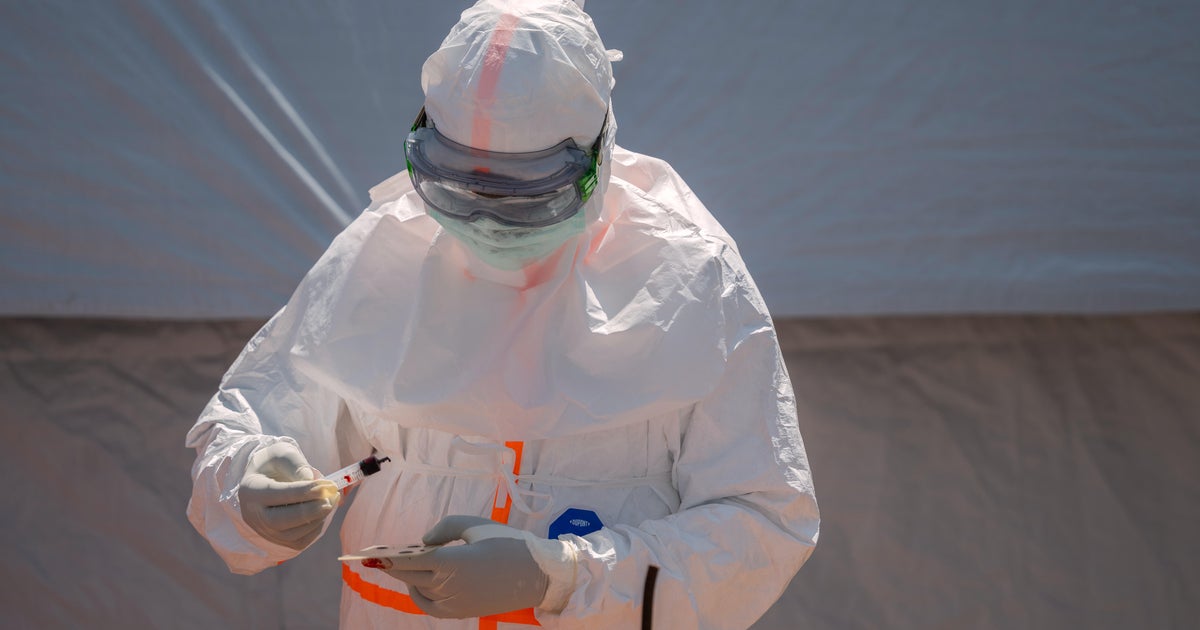
A U.S. citizen working for a humanitarian organization in the Democratic Republic of Congo tested positive for Ebola, the U.S. Centers for Disease Control and Prevention reported, and the CDC is coordinating with the employer, U.S. agencies, Congolese public-health authorities, and partners to identify contacts and prevent further transmission. The Africa CDC says this is the fastest-growing Ebola outbreak on the continent, with 1,830 confirmed cases and 648 deaths in Congo and cases confirmed in neighboring Uganda. An earlier American doctor in Congo tested positive, was medically evacuated to Germany, received care, and later recovered. The outbreak, declared May 15 after weeks of undetected transmission, is caused by the Bundibugyo virus, for which there is no approved vaccine or treatment; clinical trials for treatments have recently begun. The U.S. administration requested $1.4 billion in supplemental funding to respond to the outbreak. Ongoing conflict, displaced populations, mistrust and attacks on health centers, and shortages of protective gear for health workers have hampered the response. Plans to transfer exposed Americans to a facility in Kenya were suspended after a Kenyan court order.
Biblical Reflection
The article reports an urgent public-health and humanitarian crisis with concrete regional harm; its core facts align with official sources but omit some operational details (exposure pathway, number of contacts, and immediate risk to the U.S. public). The coverage correctly highlights medical, security, and logistical barriers that amplify suffering: conflict-driven displacement, attacks on clinics, and PPE shortages. Watch for two tendencies in media treatment — understandable alarm that can tip into panic, and political framing (mentions of U.S. policy and courts) that can distract from local needs. From a Christian perspective, the story calls for truthful clarity (so communities and responders can act), compassionate solidarity with affected people and frontline caregivers, and a moral critique of systems that leave vulnerable populations without sufficient protection. Practically, Christians should resist xenophobic or self-protective withdrawal, advocate for resources and respectful aid, and support efforts that strengthen local health systems rather than merely evacuate foreign nationals.
Scripture in context
This outlook does not yet include contextual Scripture citations. Do not treat a general biblical theme as an exegetical conclusion.
Faithful Response
No prescribed response is offered. Consider the reflection prompts below in your own church context.
Reflection and Discussion
- 1Does the reporting focus more on foreign nationals and political responses than on the Congolese communities most affected, and what does that reveal about our priorities?
- 2How might fear or politics be shaping policy choices (evacuation vs. strengthening local care) in ways that help some but leave others exposed?
- 3In what concrete ways can faith communities support truthful information, care for caregivers, and sustained aid rather than short-term headlines?
Sources
Reporting links are evidence inputs; Sanctuary News' biblical reflection is commentary.
This outlook currently relies on fewer than two linked sources. Broaden verification before teaching from it.
- 1.Original reportprimary