News Summary
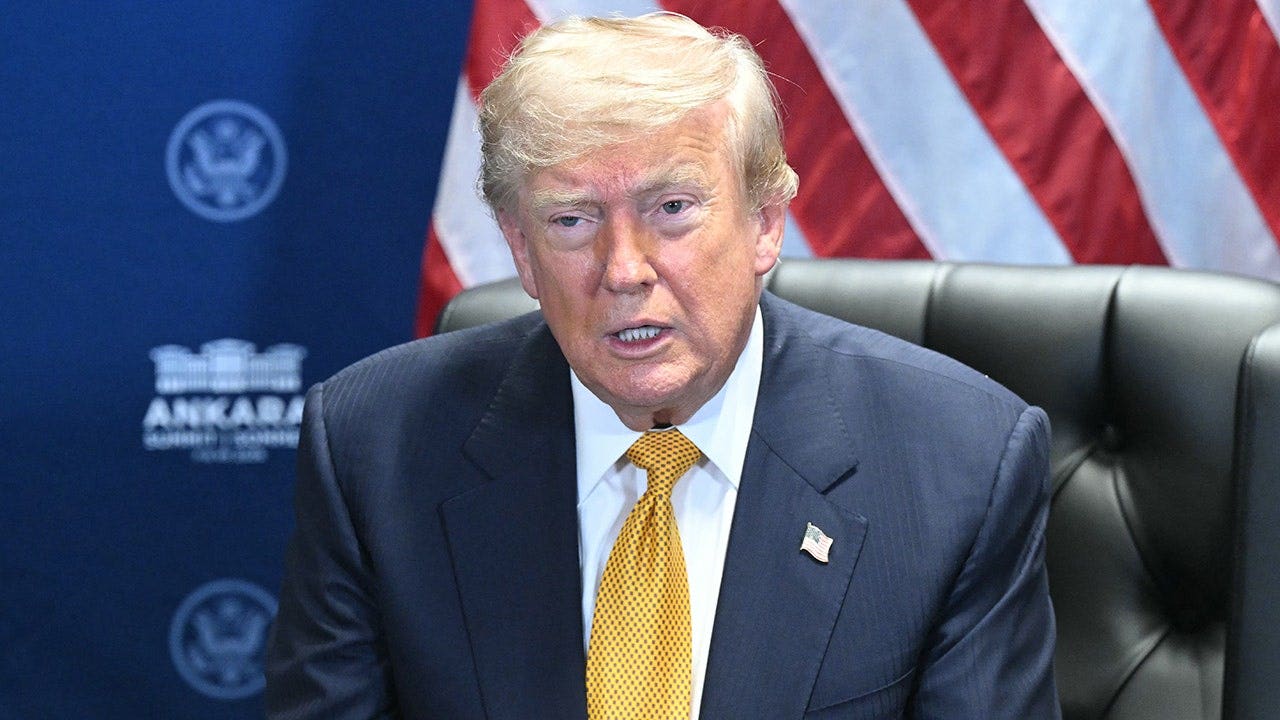
President Donald Trump posted on Truth Social and spoke to the New York Post saying he had ordered the U.S. military to be prepared to retaliate against Iran with large-scale strikes if Iran attempted or succeeded in an assassination against him. He wrote that "1,000 missiles are locked and loaded" and claimed long-standing Iranian hostility dating to the 2020 strike that killed Gen. Qasem Soleimani. The comments followed reporting that Israeli intelligence had shared information with U.S. officials suggesting Iran considered a new plot targeting the president. The statements came amid renewed hostilities: Iran recently attacked commercial shipping in the Strait of Hormuz and the U.S. carried out strikes on Iranian military infrastructure tied to maritime operations. The White House and Secret Service were contacted for comment; Trump also discussed aircraft security choices after travel to a NATO summit.
Biblical Reflection
From a Christian perspective, the article describes rhetoric and actions that raise serious moral and practical concerns. The president’s public threats of overwhelming military retaliation are presented as a personal and national response to a possible plot; such language can escalate tensions, increase the risk to civilians, and blur the line between personal vengeance and state policy. The piece mixes verified reporting (intelligence-sharing, recent Iranian attacks) with presidential claims that are partly declarative and partly unverified in this account. Christians should weigh the legitimate role of government to protect citizens and deter violence against Christlike commitments to justice, restraint, and care for noncombatants. Biblical wisdom calls for seeking truth, pursuing peace where possible, and exercising authority with humility and measured judgment; public leaders’ escalatory rhetoric can undermine those goods and provoke fear. At the same time, if credible assassination plots exist, responsible self-defense and protection of life are necessary, but must be lawful, proportionate, and discriminate. Readers should watch for independent verification, the distinction between rhetoric and implemented policy, and whether decisions prioritize protection of the vulnerable rather than retribution or personal vendetta.
Scripture in context
This outlook does not yet include contextual Scripture citations. Do not treat a general biblical theme as an exegetical conclusion.
Faithful Response
No prescribed response is offered. Consider the reflection prompts below in your own church context.
Reflection and Discussion
- 1What assumptions underlie a promise of "decimate and destroy"—who is counted as an enemy and who is protected by that language?
- 2How does framing a state response as personal retaliation affect democratic accountability and the moral calculus of using force?
- 3Are we giving unverified claims or sensational rhetoric the weight of policy, and how should Christians insist on independent verification before endorsing escalation?
Sources
Reporting links are evidence inputs; Sanctuary News' biblical reflection is commentary.
This outlook currently relies on fewer than two linked sources. Broaden verification before teaching from it.
- 1.Original reportprimary