News Summary
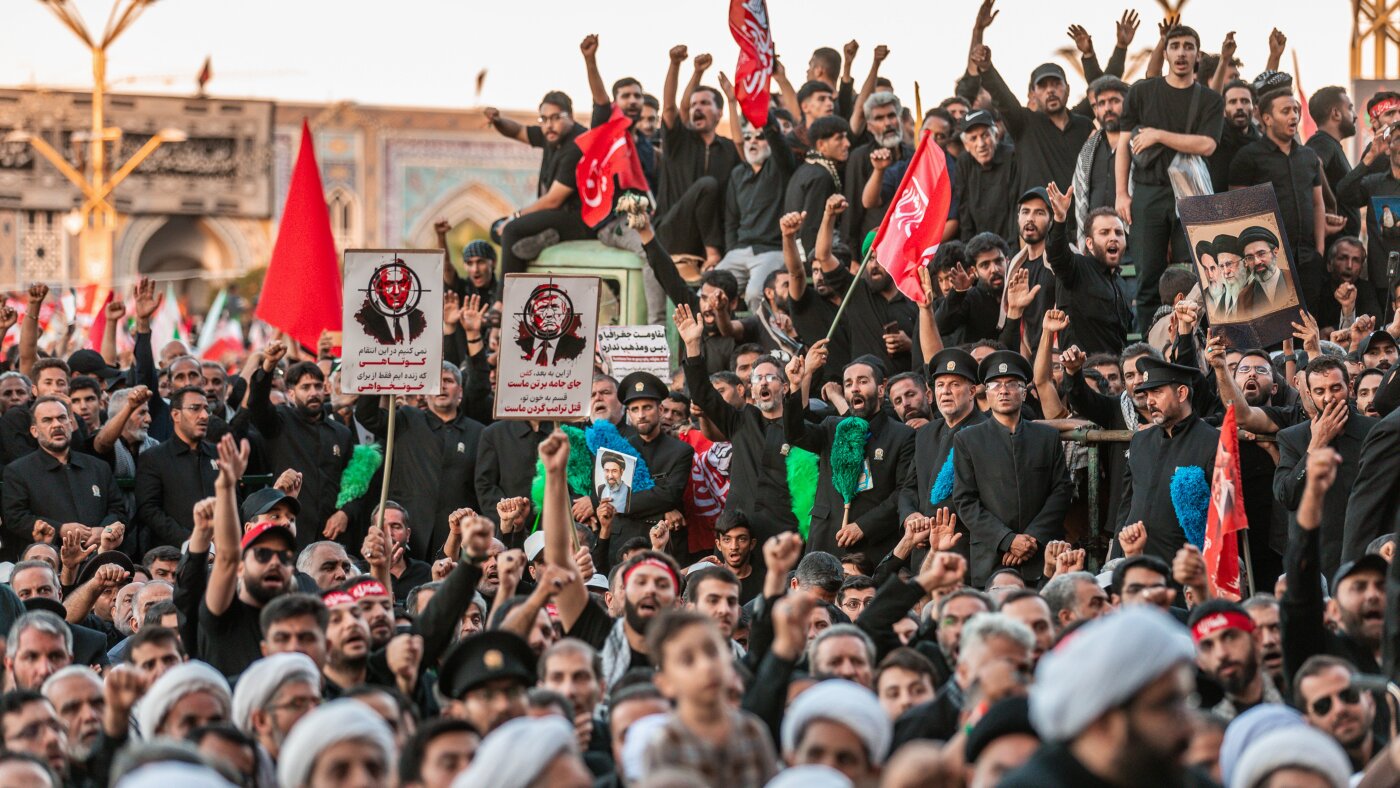
After large crowds at the funeral for Iran's late Supreme Leader Ayatollah Ali Khamenei chanted for President Donald Trump’s killing, Trump posted threats against Iran on Truth Social saying “a thousand missiles are Locked and Loaded” and promising more if Iran acted on such threats. U.S. officials had asked Iran to publicly state that the Strait of Hormuz is open and that ships would no longer be attacked; Iran has refused, asserting control of the strait and saying it may charge fees. The report summarizes resumed U.S. airstrikes and Iranian retaliatory strikes across the region following incidents in which Iran attacked three ships in the strait. The article notes that Khamenei was killed in a Feb. 28 airstrike and buried this week, that Iran asserts unity under a new supreme leader (Mojtaba Khamenei), and that U.S. officials say negotiators have limited time and a range of military options if talks fail. It also reports diplomatic contacts (Qatari and Omani engagement), Iran’s accusation that the U.S. violated an interim deal by ending dollar-denominated waivers for oil sales, and U.S. guidance for vessels to take a southern route to avoid Iranian waters. U.S. officials said any nuclear deal would require Iran to surrender its highly enriched uranium; they warned of capabilities to ensure it remains unusable if not turned over.
Biblical Reflection
This article describes a volatile exchange of threats, attacks, and diplomatic moves that risks rapid escalation with broad humanitarian and economic consequences. Christian discernment should note the moral danger when leaders on all sides use dehumanizing or celebratory language about violence; such rhetoric increases the likelihood of real harm to civilians and undermines efforts at peace. The piece contains sourcing from anonymous U.S. officials and quotations of incendiary social-media posts, so readers should be cautious about accepting every characterization at face value—anonymous claims and charged rhetoric both can shape a narrative that favors escalation. From a pastoral perspective, Christians are called to weigh national security concerns against the command to protect the vulnerable and to seek justice without revenge. The report shows diplomatic activity alongside military action, which means there remain channels for de-escalation; praying for negotiators, demanding truthful reporting, and urging restraint from leaders are practical virtues. Finally, remember that wartime information can be incomplete or instrumentally framed; humility, verification, and a focus on the human cost should guide Christian response rather than partisan cheerleading or fatalism.
Scripture in context
This outlook does not yet include contextual Scripture citations. Do not treat a general biblical theme as an exegetical conclusion.
Faithful Response
No prescribed response is offered. Consider the reflection prompts below in your own church context.
Reflection and Discussion
- 1How does the language used by leaders and crowds (threats, chants for assassination, religious slogans) affect the likelihood of escalation and the moral clarity of the conflict?
- 2Which claims in this report rely on anonymous sources or partisan statements, and how should that affect our confidence and desire for independent verification?
- 3When national security arguments conflict with the protection of civilians, how should Christians prioritize truth, mercy, and the pursuit of peace?
Sources
Reporting links are evidence inputs; Sanctuary News' biblical reflection is commentary.
This outlook currently relies on fewer than two linked sources. Broaden verification before teaching from it.
- 1.Original reportprimary