A little more detail
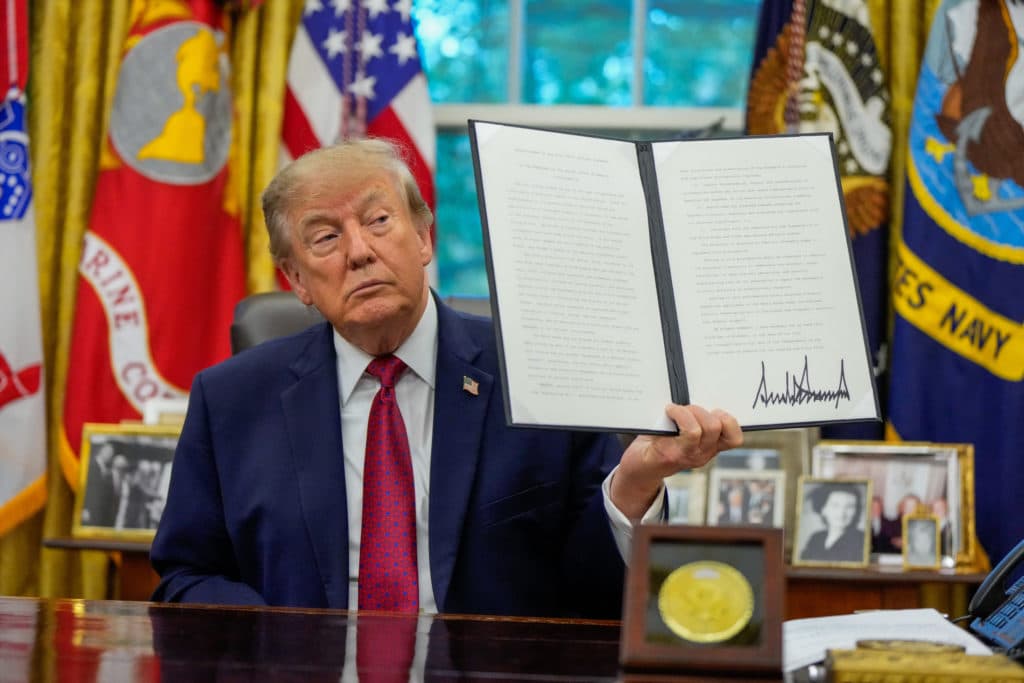
PBS reports President Trump signed a proclamation saying it will bar future changes to the Oval Office and Cabinet Room. The article attributes the proclamation and its stated purpose to Trump.
PBS also reports that since returning to the White House Trump has overseen multiple design changes, including filling the Oval Office walls with portraits, placing a copy of the Declaration of Independence, and adding numerous golden accents. The article does not provide the proclamation text or independent legal analysis of whether the proclamation can bind future administrations.
Source and Framing Analysis
The article is a single-piece report focused on aesthetics and a presidential proclamation. Key uncertainties that affect the story: the text and legal effect of the proclamation are not supplied, and expert or institutional reactions are absent. The framing centers on visual changes and the president’s stated intent rather than legal or historical analysis.
How sources covered this story
This section compares the evidence and framing in linked reports. The Christian assessment above addresses the conduct described in the story; it does not grade a journalist’s faith or the morality of covering an event.
Compare 1 reports
Reporting 72/100
- Distinctive contribution
- Specifies the kinds of changes attributed to Trump (filling wall space with portraits, adding a copy of the Declaration of Independence, and numerous golden accents), which are concrete visual details that go beyond a generic statement that rooms were changed.
- Framing
- Presented as a straightforward factual summary ('Since returning... Trump has overseen'), with descriptive language that may imply ostentation ("numerous golden accents") but otherwise framed as reportage rather than explicit opinion.
- Omissions or uncertainty
- No attribution or sourcing is provided for the claims; no dates or comparisons to prior designs; no identification of which portraits or where the Declaration copy is placed; no confirmation whether changes were permanent or temporary or who authorized them; the excerpt is brief and lacks broader context.
- Why these scores
- The sentence is clear and supplies specific, verifiable-seeming details, which is useful. It is limited by lack of attribution, sourcing, dates, and broader context. As a concise factual line it is adequate and serviceable but not deeply sourced or contextualized.
Christian commentary · About the conduct described in this story
Biblical Reflection
This report highlights a public leader formalizing personal choices about a national symbol. Christians should notice the tension between stewardship of public institutions and the humility expected of those who serve. Pray for wisdom, speak truth gently where appropriate, and remember that public symbols matter but do not define our ultimate hope.
Scripture in context
- 1 — Paul instructs believers to live in humility, esteeming others above themselves and looking to others' interests; written to encourage unity and Christlike service within the early church. — Public leaders and citizens are called to humility and service; Christians should weigh symbolic acts by leaders against these virtues and prefer stewardship that honors institutions and neighborly concern.
A suggested response for readers, separate from the assessment above.
Faithful Response
Pray for leaders’ humility, learn what the proclamation actually says, discuss civil stewardship with others, and model respectful care for public institutions in your own community.
Reflection and Discussion
- 1How does preserving public symbols balance respect for tradition with humility and stewardship?
- 2What does this reveal about public service and love of neighbor?
Sources
Reporting links are evidence inputs; Sanctuary News' biblical reflection is commentary.
This is a developing, single-source report. Details may change as more reporting becomes available.
- 1.Trump signs proclamation he says will prevent future changes to Oval Office and Cabinet Roomprimary_reporting