Pastoral Outlook
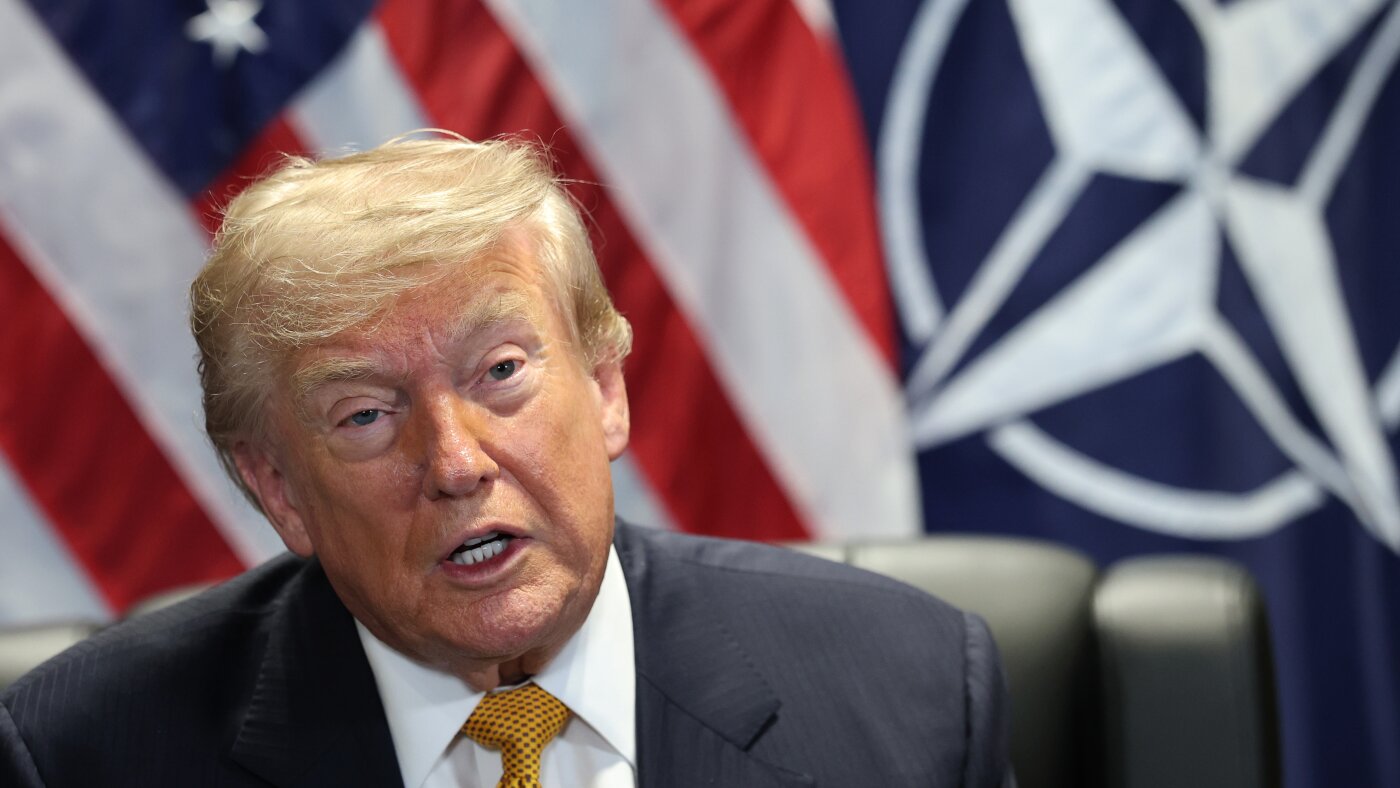
At the NATO summit in Turkey, President Donald Trump said he believes the U.S.-Iran ceasefire may be over and expressed strong frustration with Iran, while not completely ruling out talks. U.S. Central Command reported U.S. strikes against Iran overnight, stating the action was in response to attacks on commercial shipping in the Strait of Hormuz. Iran said it carried out strikes targeting locations in Bahrain and Kuwait. Separately, Democrats in Maine and elsewhere moved to distance themselves from U.S. Senate candidate Graham Platner following a sexual-assault allegation he denies. The International Olympic Committee provisionally lifted the suspension of Russia’s Olympic Committee, allowing a pathway for Russian athletes to compete at the 2028 Los Angeles Games, a decision announced while Russian missile strikes against Ukraine continue. The newsletter also reported that U.S. life expectancy rose to a record high in 2024, summarized a study linking faster walking pace in older adults to lower risk of cognitive decline, and highlighted a historical piece about the Lavender Panthers, a 1970s queer self-defense group in San Francisco.
This coverage shows how quickly rhetoric, military action, and institutional decisions can interact across spheres — diplomacy, security, sports, and public life. Leadership words matter: blunt, dehumanizing language towards an adversary increases polarization and can harden public support for escalation rather than restraint. The reported U.S. strikes and reciprocal claims of targeting raise real risks for civilians, regional stability, and global commerce; Christians should care especially for noncombatants who bear the worst effects of conflict. The IOC decision illustrates a moral tension between separating sport from politics and the call to hold states accountable for aggression; disentangling these loyalties requires honest attention to victims’ suffering rather than symbolic gestures alone. The article’s format — a brief roundup of disparate items — can compress complex events and center prominent voices while giving less weight to civilian perspectives and nonelite actors. Practically, a Christian response urges truth-seeking (verify claims, demand transparency), humility (avoid cheering escalation), mercy (advocate protection and aid for civilians), and peacemaking (press leaders toward negotiation and restraint).Thought to Remember
“Speak truth without dehumanizing others, and pursue peace that protects the vulnerable.”