A little more detail
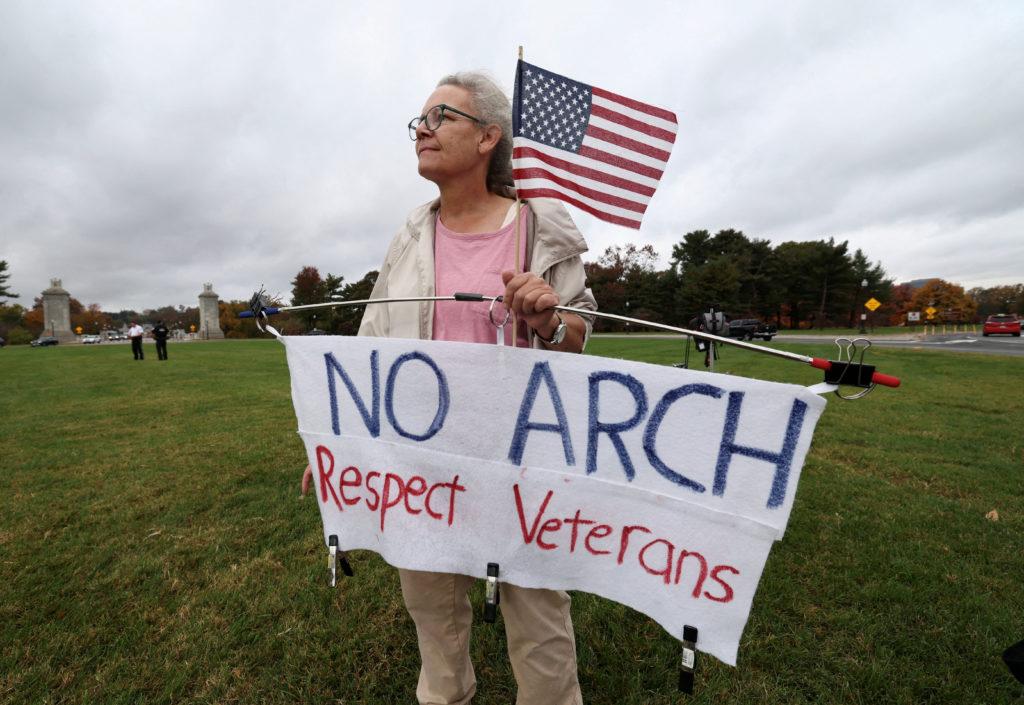
On Nov. 11, 2026, President Donald Trump suggested that the towering arch he wants to build in his own honor might be dedicated to the U.S. military and those who served. The report notes this as a Veterans Day remark but supplies no details about where the arch would be built, who would fund or approve it, or whether any formal dedication plan exists.
The article is a brief report of the president's suggestion; it does not present additional corroboration, documents, or responses from veterans groups or officials.
Source and Framing Analysis
The story is a short, single-source report of a presidential remark. Material uncertainties include whether a concrete plan exists, who would pay for the arch, the proposed location, and whether veterans' groups were consulted. The framing — tying a personal monument to veterans — matters because it can shift public perception without any documented plan or commitment.
How sources covered this story
This section compares the evidence and framing in linked reports. The Christian assessment above addresses the conduct described in the story; it does not grade a journalist’s faith or the morality of covering an event.
Compare 1 reports
Reporting 78/100
- Distinctive contribution
- Specifically records that Trump linked the proposed arch (described as being in his honor) to Veterans Day and suggested it could be dedicated to military veterans, a detail that may affect public perception of the proposal.
- Framing
- Brief, factual framing that ties the statement to Veterans Day and characterizes the arch as something Trump wants built in his honor; neutral tone without explicit editorializing in the supplied excerpt.
- Omissions or uncertainty
- No direct quote, timestamp, location, or context for when/where the remark was made; lacks sourcing (e.g., speech, interview, social post), details about the arch plan, who would fund or approve it, and reactions from others; unclear whether the suggestion was literal or rhetorical.
- Why these scores
- Concise and attributable to a named source (President Trump), which suits a brief news summary. Deductions for lack of direct quotation, sourcing details, and broader context or corroboration within the supplied excerpt.
Christian commentary · About the conduct described in this story
Biblical Reflection
On Veterans Day, President Trump suggested the arch he wants built in his honor could be dedicated to military veterans. The claim is reported as his suggestion; the short report does not provide details on planning, funding, approvals, or any official dedication process.
As Christians we should welcome efforts to honor those who served, but also weigh motives and means. Public memorials are meant to lift others and express communal gratitude; when a leader ties such a memorial to personal commemoration, it raises questions about humility, stewardship, and truthfulness. Christians should pray for veterans, insist on transparency in public monuments, and model honoring others without self-aggrandizement.
Scripture in context
- 1 — Paul writes to the Philippians urging humility and that believers should value others above themselves, considering others' needs and not acting from selfish ambition. — This passage calls Christians to judge public acts by motives and outcomes: honoring those who served is good, but leaders should avoid self-exalting gestures that overshadow the dignity of those they claim to honor.
A suggested response for readers, separate from the assessment above.
Faithful Response
Pray specifically for veterans and for leaders to show humility and transparency.
Support local veteran organizations with time, resources, or respectful listening to their priorities.
Ask public questions about proposed monuments: who decides, who pays, and how veterans’ voices are included.
Reflection and Discussion
- 1How should Christians weigh the motives behind public monuments that name or honor political leaders?
- 2What concrete steps show genuine care for veterans beyond symbolic dedications?
- 3When a leader links personal recognition to public gratitude, how can we compassionately demand accountability?
Sources
Reporting links are evidence inputs; Sanctuary News' biblical reflection is commentary.
This is a developing, single-source report. Details may change as more reporting becomes available.
- 1.Trump says the towering arch he wants to be build might be dedicated to military veteransprimary_reporting