Pastoral Outlook
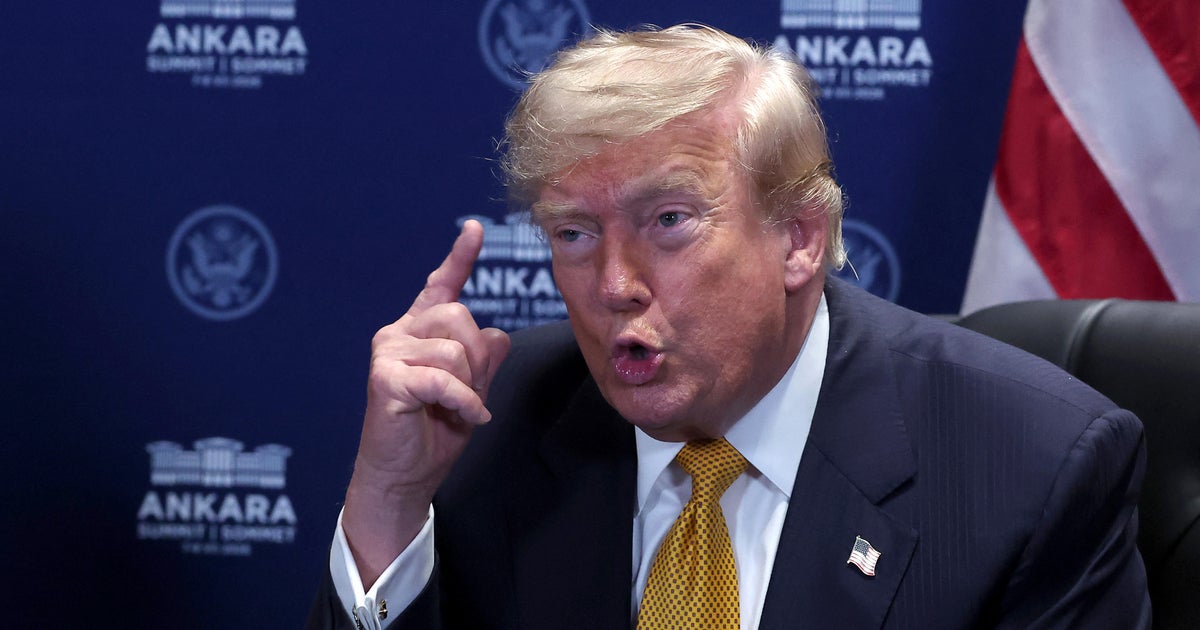
After reported attacks on commercial vessels in the Strait of Hormuz, the U.S. launched overnight strikes against more than 80 Iranian targets, which U.S. officials described as retaliation. Iran launched retaliatory strikes targeting U.S. military installations in Bahrain and Kuwait; Iran's Revolutionary Guard acknowledged the actions. Iranian media reported explosions near Bushehr, a port region hosting Iran's civilian nuclear power plant; Iranian authorities reported no casualties. President Trump, at a NATO summit in Ankara, said the interim ceasefire with Iran is "over," called Iranian leaders derogatory names, and characterized further negotiations as a "waste of time," though he said talks may continue. NATO Secretary General Mark Rutte backed the U.S. strikes as necessary; EU foreign policy chief Kaja Kallas said the strikes further complicate talks to end the war. The U.S. also revoked a license permitting Iran to sell oil. International oil benchmarks rose about five percent (Brent to $78.09/barrel; WTI to $74.23/barrel) following the developments.
The article reports a rapid escalation between the U.S. and Iran with concrete military, diplomatic, and economic consequences. From a Christian perspective, the facts stress the heavy responsibilities leaders carry: protecting citizens and maintaining security can require force, but the language and posture of leaders matter morally and practically. Dehumanizing rhetoric toward opponents risks hardening conflict, undermining diplomacy, and desensitizing the public to the human cost of war. The piece fairly documents actions and reactions, but its emphasis on heated quotes and dramatic measures can obscure the human consequences—civilian safety, regional stability, and livelihoods tied to oil markets. Christians should weigh legitimate security concerns and the biblical call to seek justice and protect the innocent, while urging humility, truthfulness, and persistent pursuit of peaceful resolution where possible. Pray for clear information, restraint from escalatory rhetoric, and policies that prioritize civilian protection and a just peace.Thought to Remember
“Strong defenses and righteous anger can both be necessary, but God calls us to seek peace without demonizing the human beings who stand on the other side.”