News Summary
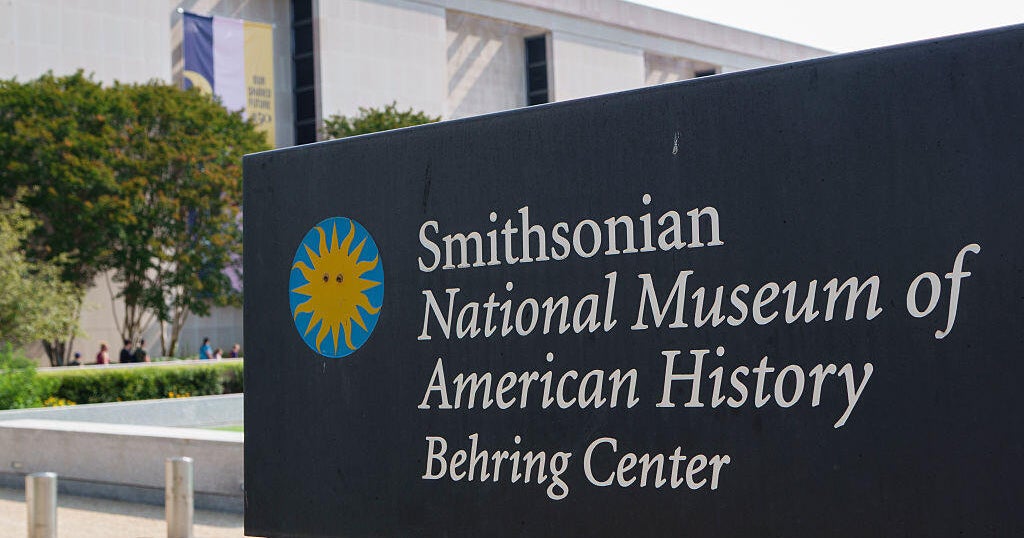
Reported facts: President Trump ordered federal officials to place signs outside the National Museum of American History; reporting dates to July 24, 2026. Additional reporting states the order targets federal sidewalks and would direct visitors to a White House report criticizing the museum's depiction of American history. Attributed claims: the administration says the museum presents "inaccurate" information. Uncertainties: the specific factual inaccuracies alleged, the exact wording and legal form of the order or signs, the Smithsonian's response, and legal or administrative procedures for implementing signage are not detailed in the supplied reporting.
Source and Framing Analysis
The original CBS report is brief and reports the president's action and his characterization of the museum's content as "inaccurate." The Fox report supplies a practical detail (signs on federal sidewalks directing visitors to a White House report). Both pieces rely on administration claims about inaccuracies but do not supply evidence identifying specific errors or give full text of the order or signs. Material uncertainties that affect the story include the content of the signs, the White House report they reference, the museum's response, and the legal basis for placing signs on federal property adjacent to the museum.
Free every morning
Get the Daily Briefing
The stories shaping today—sourced carefully and considered through Scripture. No outrage bait.
Confirm by email. Unsubscribe at any time.
Biblical Reflection
Public truth-telling matters for Christian discipleship: our faith calls us to love God and neighbor by seeking and speaking the truth, but also to do so with gentleness and respect. The Bible commends both courage in calling out wrong and humility in correction; public institutions that teach history deserve scrutiny, but corrections should be grounded in documented evidence and fair process rather than used primarily as political theater. Christians should resist reflexive alignment with any political leader when that alignment would compromise careful inquiry or the dignity of institutions tasked with educating the public.
This situation reveals competing priorities in civic life: the desire for an accurate public narrative, the role of government oversight, and the need for institutional independence. A faithful Christian response balances accountability with due process—asking for clear evidence, open dialogue, and proportional remedies. Where legitimate errors exist, correction is appropriate; where disagreements are interpretive or partisan, Christians should model civil conversation, listening especially for voices historically marginalized in public memory.
Finally, the way correction is implemented matters morally. If signs or directives are imposed in ways that humiliate, silence, or politicize learning spaces, they risk deepening social distrust. Christians should advocate for transparency, fair adjudication of facts, and for education that fosters informed citizens rather than stoking division.
Scripture in context
- 1Ephesians 4:15 — Paul exhorts the Ephesian church to pursue unity and maturity by speaking the truth in love, avoiding both falsehood and cruel speech, so the body of Christ grows toward maturity. — When public figures call for corrections, the church should insist that truth be pursued together with love—correction that aims to educate and restore rather than shame or dominate reflects Paul's call to truthful love.
Faithful Response
Pray for discernment and restraint for leaders and for wisdom for cultural institutions tasked with preserving and teaching history.
Seek out the primary documents (the text of the order, the exact wording of any signs, and the White House report) before forming definitive judgments.
Engage locally: attend museum events, participate in civic hearings, and encourage historically responsible dialogue rather than partisan amplification.
Model charity in conversations: prioritize listening, ask for sources, and distinguish factual claims from interpretation or opinion.
Free every morning
Get the Daily Briefing
The stories shaping today—sourced carefully and considered through Scripture. No outrage bait.
Confirm by email. Unsubscribe at any time.
Reflection and Discussion
- 1How should Christians weigh the need for factual accuracy against the risks of politicizing educational institutions?
- 2What practices can help our communities evaluate contested claims about history without falling into tribal responses?
- 3How does humility shape the way Christians criticize public institutions and leaders?
Sources
Reporting links are evidence inputs; Sanctuary News' biblical reflection is commentary.
- 1.Trump orders signs placed outside Smithsonian warning of "inaccurate" informationprimary_reporting
- 2.Trump orders signs outside Smithsonian museum amid row over its depiction of American historyadditional_reporting