News Summary
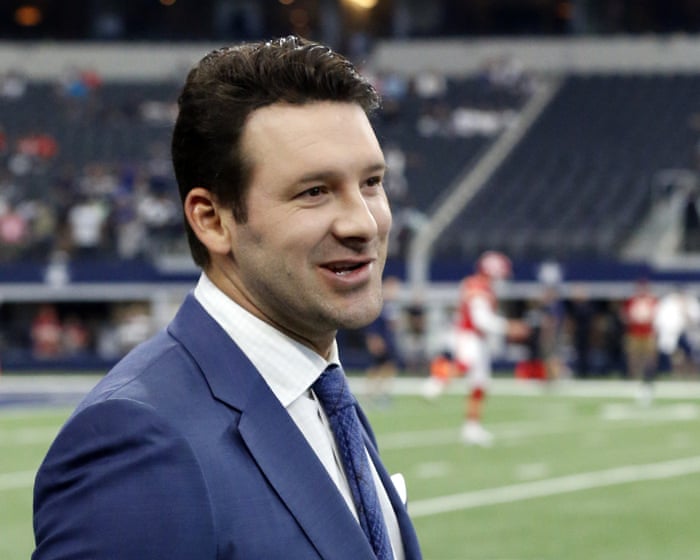
Reported facts: Milwaukee County Sheriff's Office stopped Tony Romo on Interstate 43 and arrested him on suspicion of operating a vehicle while under the influence; police reported poor performance on field sobriety tests, and Romo was booked and released. CBS News reports the stop occurred about 6 p.m. on Thursday. Attributed claims: the Guardian article and CBS cite the sheriff's office arrest report. Uncertainties: the reporting does not state any blood-alcohol concentration result, any formal charges filed, or whether Romo has made a public statement; the legal outcome and potential penalties remain unspecified.
Source and Framing Analysis
Both supplied reports rely on the Milwaukee County Sheriff's Office as the primary source. Material uncertainties that affect interpretation include absence of BAC results, lack of details about the sobriety tests, and no information about subsequent charging decisions or court filings. The coverage emphasizes the celebrity identity of the subject, which increases attention but introduces potential bias in public reaction; the legal nuance noted (that a first-offense OWI in Wisconsin is not a criminal charge) is important and risks being missed in headline-driven accounts.
Free every morning
Get the Daily Briefing
The stories shaping today—sourced carefully and considered through Scripture. No outrage bait.
Confirm by email. Unsubscribe at any time.
Biblical Reflection
This report raises familiar pastoral concerns: the real-world danger of impaired driving, the need for personal responsibility by those in the public eye, and the pastoral need to balance truth-telling with mercy. The facts reported are narrow and procedural — a law-enforcement stop, poor field sobriety test performance, booking, and release — and they rightly stop short of asserting guilt. Christian wisdom calls for neither gleeful condemnation of a fall nor indulgent minimization of the harm impaired driving can cause; both neighbor-love and justice demand care for possible victims and accountability for risky behavior.
The article's framing focuses on a public figure, which increases attention but should not change the moral essentials: sobriety behind the wheel is a public-safety issue, and those who err should be treated with both honesty and the opportunity to repent and make amends. At the same time, media coverage that emphasizes celebrity scandal can obscure legal nuance (for example, the distinction between 'suspicion' and conviction, and Wisconsin's classification of a first OWI) and can invite either undue vilification or unwarranted dismissal. Christians should respond by seeking truth, praying for transformation, advocating for public safety, and offering the patient, restorative care required when someone in the community stumbles.
Scripture in context
- 1Luke 6:37-38 — In Luke's Gospel, Jesus warns against hypocritical judgment and teaches generosity in mercy and forgiveness within the community context. — This passage reminds Christians to avoid finalizing judgment from partial information while still holding one another accountable; respond to wrongdoing with measured justice and readiness to extend restoration when possible.
- 2Matthew 18:15-17 — Jesus instructs on conflict resolution and confronting sin among believers through private correction, escalating only as necessary, with the goal of restoration. — Apply this pattern privately and publicly where appropriate: call out dangerous behaviors (like impaired driving) in ways that seek correction and repair rather than public shaming for its own sake.
Faithful Response
Pray for those involved — for clarity in the legal process, for safety, and for repentance and healing.
Avoid spreading unverified details or indulging in gossip; share verified facts and encourage measured responses.
If you are in a position to influence public behavior (team, workplace, church), reiterate commitments to sober, safe transportation and offer support resources for anyone struggling with substance use.
Free every morning
Get the Daily Briefing
The stories shaping today—sourced carefully and considered through Scripture. No outrage bait.
Confirm by email. Unsubscribe at any time.
Reflection and Discussion
- 1How does Scripture shape our response to public allegations — balancing truth-telling, mercy, and the protection of neighbors?
- 2When someone in the public eye makes a dangerous choice, what does faithful compassion look like in both private ministry and public discourse?
- 3What systems (personal, communal, legal) should be strengthened so that repentance is possible and public safety is prioritized?
Sources
Reporting links are evidence inputs; Sanctuary News' biblical reflection is commentary.
- 1.CBS analyst Tony Romo arrested on suspicion of DUI in Wisconsinprimary_reporting
- 2.Tony Romo arrested in Wisconsin on suspicion of driving while intoxicatedadditional_reporting