News Summary
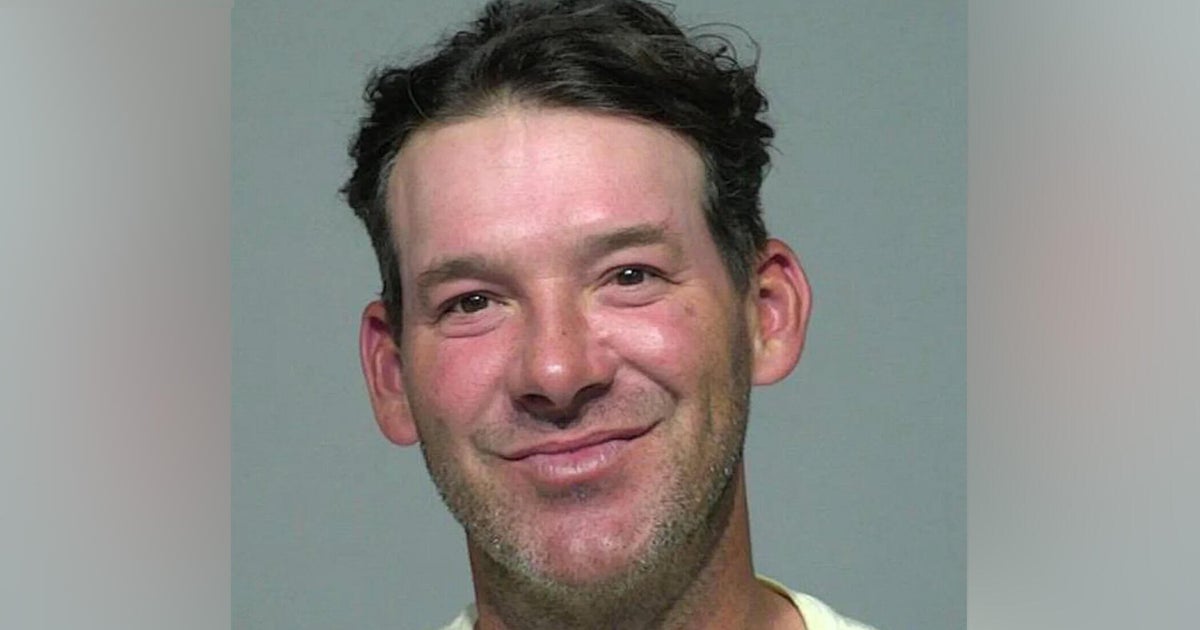
Reported facts: CBS News reported that Tony Romo was arrested in Wisconsin on suspicion of driving while intoxicated and that the Milwaukee County Sheriff's Office said he was pulled over around 6 p.m. on Thursday. Corroboration: The Guardian's report adds that an arrest report indicates Romo performed poorly on field sobriety tests while driving south on Interstate 43 and that he was booked and released. Attributed claims: The Milwaukee County Sheriff's Office is the source attributed for the stop; the Guardian attributes details to the arrest report. Uncertainties: Neither source gives blood-alcohol test results or confirms whether formal criminal charges were ultimately filed; the Guardian notes Wisconsin's first-offense OWI classification is not a criminal charge.
Source and Framing Analysis
The CBS piece as supplied is very brief and mainly repeats the sheriff's office statement; The Guardian supplies additional details from the arrest report. Material uncertainties that affect the story include absence of BAC results, lack of a formal charge status in the reporting, and limited official statements. The coverage emphasizes the arrest and sobriety-test performance; that framing can prompt immediate judgments without full legal context (for example, Wisconsin's OWI classifications).
Free every morning
Get the Daily Briefing
The stories shaping today—sourced carefully and considered through Scripture. No outrage bait.
Confirm by email. Unsubscribe at any time.
Biblical Reflection
A Christian reading of this report should hold two truths together: public accountability and pastoral compassion. Driving while intoxicated endangers others; if the facts show impairment, there is a moral and civic need for consequences that protect neighbors and encourage responsibility. At the same time, the report concerns a person who may need repentance, support, and restoration rather than only public shaming.
Because the reporting is short on details (BAC results, formal charges, context), Christians should avoid rushing to moral certainty or vindictive responses. Pray for truth to come fully into the open, for any harmed or endangered people to be made whole, and for the individual involved to receive wise counsel and, if needed, treatment. Public figures bear a heightened example; our words about them should aim to be truthful, sober, and merciful.
Scripture in context
- 1Luke 17:3-4 — Jesus teaches about confronting sin within the community and the importance of ongoing forgiveness when someone repents; the passage assumes accountability paired with readiness to forgive repeatedly if there is genuine repentance. — This passage calls Christians to a posture that holds people accountable for harmful actions while remaining ready to forgive and restore when there is repentance — a balance relevant to public wrongdoing and personal failure.
- 2Proverbs 28:13 — A wisdom proverb contrasting hiding wrongdoing with confessing it: concealment leads to trouble, confession leads to mercy within the pragmatic and moral wisdom tradition of the Bible. — The proverb underlines that truthful admission and correction of wrongdoing open the way to mercy and healing; it encourages transparency and genuine repentance rather than cover-up or denial.
Faithful Response
Pray specifically for truth, the safety of others, and for Tony Romo and any affected people to receive counsel and care.
Avoid spreading unconfirmed details; wait for official information instead of amplifying rumor or sensationalism.
If you are in leadership or a public-facing role, model clear accountability: admit mistakes, seek appropriate consequences, and pursue repair where harm occurred.
Support practical neighbor-love measures (e.g., sober-ride programs, conversations about safe driving) that reduce risks in your community.
Free every morning
Get the Daily Briefing
The stories shaping today—sourced carefully and considered through Scripture. No outrage bait.
Confirm by email. Unsubscribe at any time.
Reflection and Discussion
- 1When a fellow believer or public person fails, how does Scripture direct me to balance truth-telling, mercy, and the protection of others?
- 2What practices (prayer, confession, accountability partnerships) should be in place in my life and community to prevent harm from substance misuse?
- 3How does the temptation to sensationalize or defend publicly reflect deeper needs for humility and repentance in my own heart?
Sources
Reporting links are evidence inputs; Sanctuary News' biblical reflection is commentary.
- 1.Tony Romo arrested in Wisconsin on suspicion of driving while intoxicatedprimary_reporting
- 2.CBS analyst Tony Romo arrested on suspicion of DUI in Wisconsinadditional_reporting