Taliban Alleges Pakistani Airstrike on Kabul Drug Rehabilitation Hospital; Pakistan Denies Targeting Medical Facility
Read original source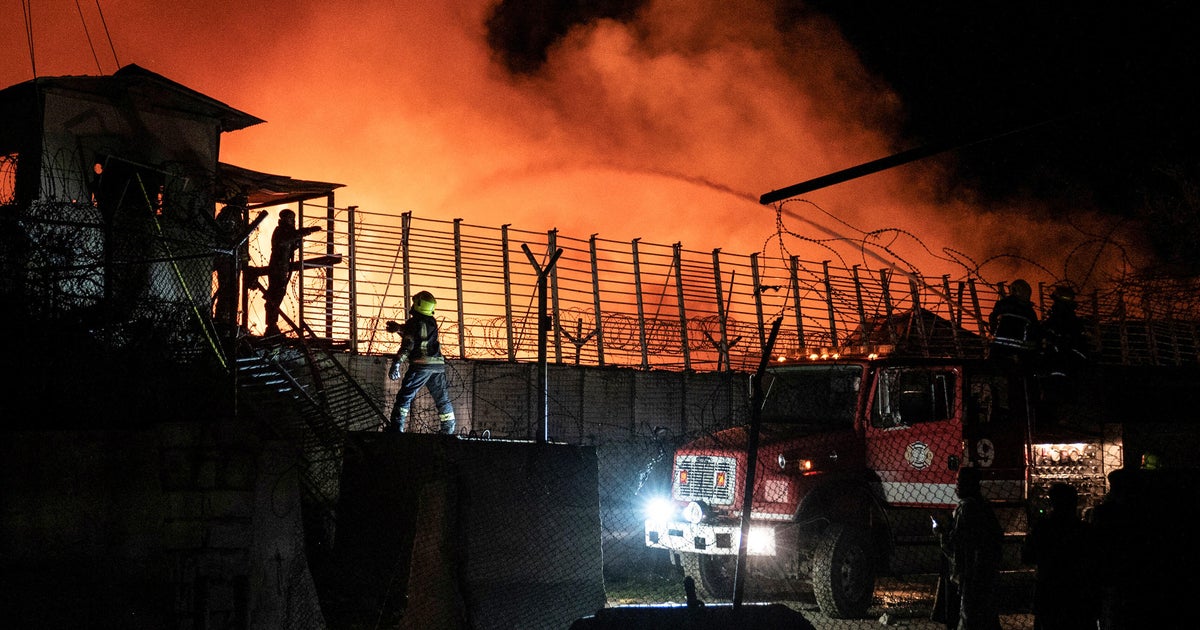
Scriptural Outlook
Taliban officials say a Pakistani military airstrike struck the Omid drug rehabilitation hospital in Kabul on the night of March 16–17, killing as many as 400 people and injuring about 250; rescuers reportedly continue to recover bodies from the rubble. Taliban spokesmen characterized the victims as martyrs and said large parts of the 2,000‑bed facility were destroyed. Videos provided by the Taliban show flames and rescue activity. Pakistan denies striking a medical facility, calling the Taliban's claims false and saying its precision strikes targeted Taliban military infrastructure and ammunition depots in Kabul and Nangarhar. Pakistani officials pointed to alleged secondary detonations as evidence of ammunition storage. Independent verification in the report is limited; the videos shared with CBS News did not clearly show secondary explosions. The Omid center, located in a former NATO camp, treats large numbers of Afghans for addiction. The incident is part of broader cross‑border exchanges of strikes and drone attacks between Pakistan and Afghanistan that have followed a breakdown of a ceasefire and intensified tensions. International actors, including China and the UN, have urged restraint and mediation.
From a biblical perspective this story raises urgent moral concerns. First, Scripture calls for the protection of the vulnerable and the defense of the innocent (e.g., to do justice and love mercy). A strike that harms a medical or recovery facility — if verified — would violate the biblical imperative to care for the sick and oppressed (Matthew 25:36; Proverbs 31:8–9). Second, the competing claims and lack of independent verification make truth and accountability central spiritual issues: God hates falsehood and calls leaders to just measures (Proverbs 12:22; Micah 6:8). Nations and leaders are accountable to work for peace and not to escalate cycles of violence; Jesus’ call to peacemaking (Matthew 5:9) and Paul’s exhortation to live peaceably with all (Romans 12:18) are applicable to states as well as individuals. Practically, Christians should grieve for victims, pray for truth and reconciliation, advocate for humanitarian access, and resist narratives that dehumanize the other side. The church’s witness is to minister compassionately to those suffering from addiction and war, to seek justice without vengeance, and to pursue reconciliation rooted in honesty and care for life."Micah 6:8 — "He has told you, O man, what is good; and what does the LORD require of you but to do justice, and to love kindness, and to walk humbly with your God?""