News Summary
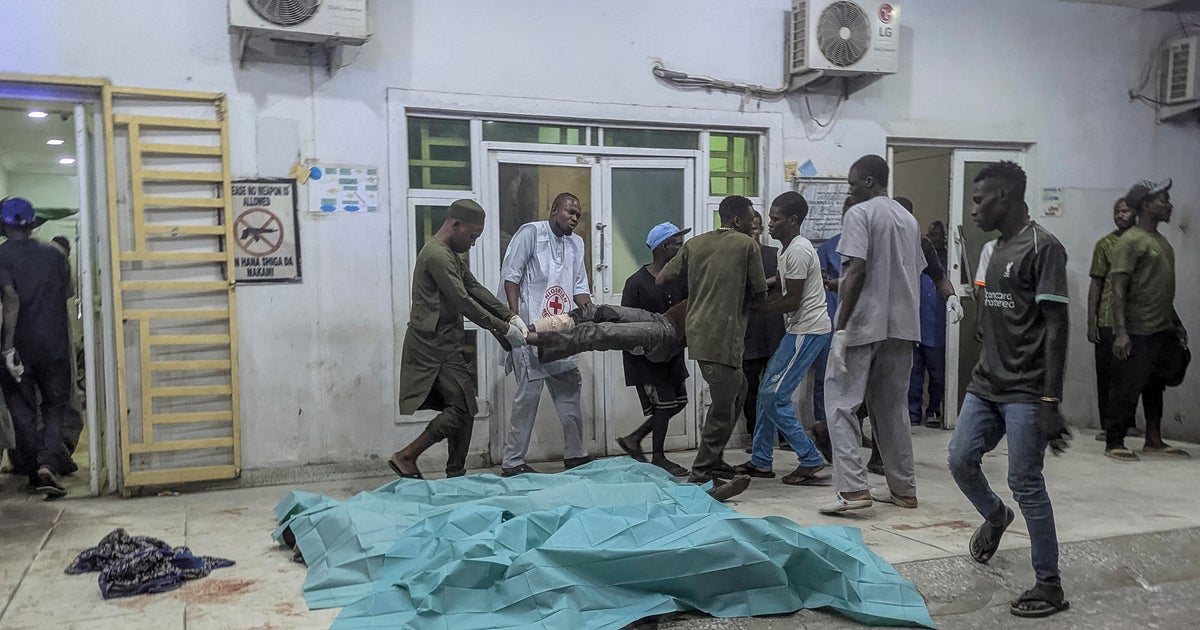
On the night of March 16, 2026, at least 23 people were killed and more than 100 wounded in suspected suicide bombings in Maiduguri, the capital of Nigeria's Borno state. Police reported three explosions in crowded locations, including a major market and the entrance to the University of Maiduguri Teaching Hospital. No group has claimed responsibility, but authorities and residents suspect Boko Haram or its offshoots, including Islamic State West Africa Province. Maiduguri was once the epicenter of the insurgency but had experienced relative calm in recent years; residents described immediate chaos and urgent need for blood donations. The article notes that extremists have been intensifying attacks on military targets and seizing weapons and ammunition in the wider conflict.
Biblical Reflection
This story confronts Christians with the persistent reality of human evil, the vulnerability of the innocent, and the long arc of conflict that degrades communities. Scripture insists we do not treat violence as mere headline fodder but as a moral and spiritual wound requiring multiple responses: lament for the dead (Psalm 34:18; Lamentations), compassionate care for survivors and displaced persons (Isaiah 1:17; James 1:27), and a just defense of the vulnerable (Romans 13:3–4). At the same time the Bible warns against cheap calls to vengeance and the dehumanization of enemies; Christ’s way calls us to seek justice while resisting hatred (Matthew 5:44; Romans 12:19–21). Practically, the faithful are to mourn with those who mourn, support humanitarian relief, pray for wise and moral leadership to secure civilians, and advocate for accountability that restores rather than perpetuates cycles of violence. Our response should hold together truth and mercy: condemn the atrocity, pursue just protection and prosecution, and offer sacrificial care for victims and communities rebuilding in its wake.
Scripture in context
This outlook does not yet include contextual Scripture citations. Do not treat a general biblical theme as an exegetical conclusion.
Faithful Response
No prescribed response is offered. Consider the reflection prompts below in your own church context.
Reflection and Discussion
- 1How can I practically support survivors and the local church in places like Maiduguri without reducing their suffering to a news item?
- 2Do I respond to news of atrocity with righteous anger, desire for vengeance, or a prayerful commitment to justice tempered by mercy? How might I change my posture?
- 3What steps can my community take (prayer, giving, advocacy) that align with Scripture’s call to care for the vulnerable and pursue peace?
Sources
Reporting links are evidence inputs; Sanctuary News' biblical reflection is commentary.
This outlook currently relies on fewer than two linked sources. Broaden verification before teaching from it.
- 1.Original reportprimary