News Summary
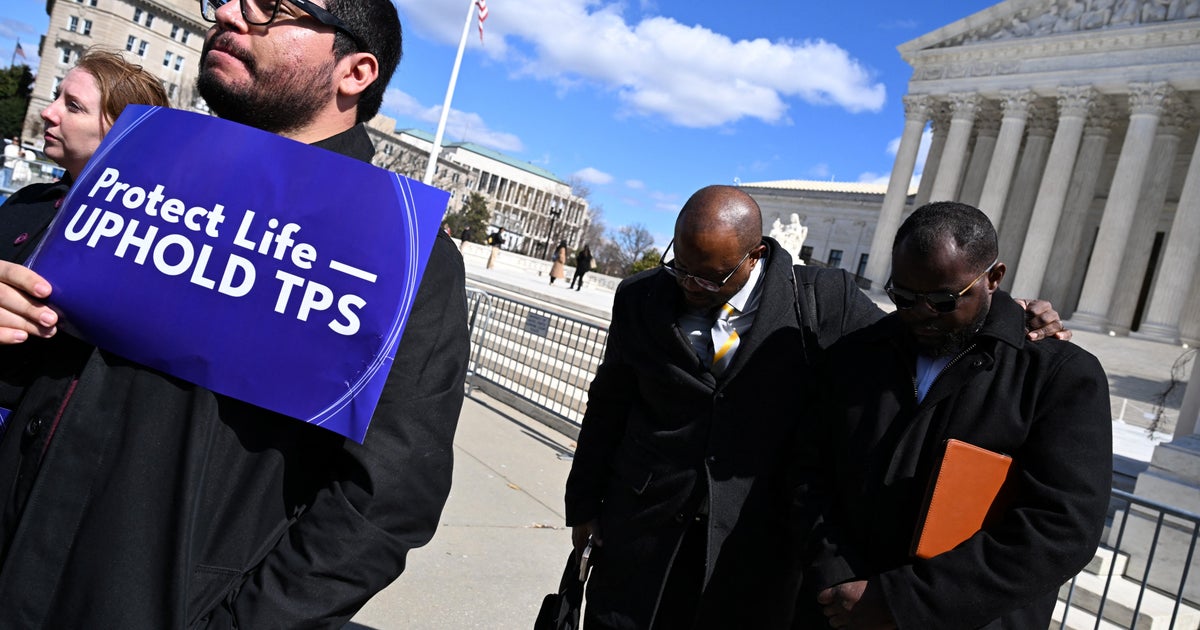
The U.S. Supreme Court in a divided decision allowed the Trump administration to move forward with ending Temporary Protected Status (TPS) for Syrians and Haitians, affecting about 6,000 Syrians and roughly 350,000 Haitians. In an opinion by Justice Samuel Alito, the court held that the TPS statute bars judicial review of non-constitutional claims brought under federal law, reversing lower-court injunctions that had postponed terminations. The conservative majority also found Haitian plaintiffs unlikely to succeed on an equal-protection claim. The decision limits courts’ ability to review DHS determinations about TPS and clears the way for rollbacks of deportation protections. The ruling could have implications for more than 1 million immigrants from 17 countries who have received TPS; the administration has sought to rescind protections for nationals of multiple countries. Plaintiffs’ lawyers argued the administration failed to follow required statutory processes and that the Haiti termination was likely motivated by racial animus, citing public statements by President Trump and then-Secretary of Homeland Security Kristi Noem; the administration denied those assertions. The article notes prior and parallel actions by the administration to curtail other immigration protections, including earlier moves on Venezuelans and executive measures affecting asylum and birthright citizenship, some of which are under separate legal review.
Biblical Reflection
This ruling is primarily a legal determination about the limits of judicial review, but it carries profound moral consequences. From a Christian perspective, the decision highlights the tension between orderly governance and the call to care for vulnerable neighbors. The court’s focus on statutory interpretation does not resolve the moral questions about the human cost of removing protection from people who have lived and worked here for years, nor does it settle concerns about motive when claims of bias have been raised. Christians should hold two truths together: respect for the rule of law and the prophetic responsibility to defend the marginalized. That means scrutinizing the legal reasoning and institutional processes while also advocating for mercy, fair process, and humane policies for those at risk of deportation. It is important to resist partisan simplification: some commitments to border control and legal integrity are legitimate, but so is insisting that government decisions treat people with dignity, follow required procedures, and be free from discriminatory motives. Pray for careful, honest application of law and for policies that protect families and human flourishing.
Scripture in context
This outlook does not yet include contextual Scripture citations. Do not treat a general biblical theme as an exegetical conclusion.
Faithful Response
No prescribed response is offered. Consider the reflection prompts below in your own church context.
Reflection and Discussion
- 1How does limiting judicial review change the practical checks and balances that protect vulnerable people from arbitrary or biased government action?
- 2Whose needs and voices are centered in the legal arguments and public debate—those of affected families, national security, or political priorities?
- 3Are we distinguishing legal outcomes from moral responsibility, and how should Christians press for justice when law and compassion appear in tension?
Sources
Reporting links are evidence inputs; Sanctuary News' biblical reflection is commentary.
This outlook currently relies on fewer than two linked sources. Broaden verification before teaching from it.
- 1.Original reportprimary