A little more detail
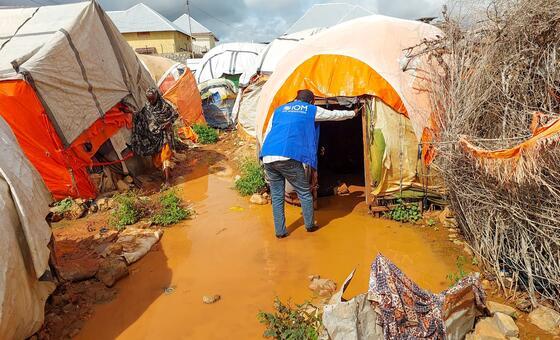
UN News reports that roughly three in four refugees—nearly 90 million people—are living in countries classified as having high to severe exposure to climate hazards such as drought, floods and extreme heat. The piece frames the climate emergency as an immediate crisis for refugees and highlights the overlap between forced displacement and heightened climate risk. The article text does not include underlying datasets, country lists, or full methodological notes.
Source and Framing Analysis
The article presents UN-sourced headline figures and urgent framing but does not supply the underlying study, definitions, or country-level data in the provided text. That missing material matters for assessing how exposure was measured, which refugee populations are most affected, and whether figures refer to refugees themselves or to conditions in host countries more generally.
How sources covered this story
This section compares the evidence and framing in linked reports. The Christian assessment above addresses the conduct described in the story; it does not grade a journalist’s faith or the morality of covering an event.
Compare 1 reports
Reporting 76/100
- Distinctive contribution
- Gives a specific quantified estimate that three in four refugees — nearly 90 million people — live in countries facing high to severe exposure to climate hazards, and lists the main hazards (drought, floods, extreme heat).
- Framing
- Frames the situation as an 'immediate crisis' and emphasizes refugees as on the 'frontlines' of the climate emergency, using urgent language to link displacement and climate exposure.
- Omissions or uncertainty
- The excerpt does not identify the data source, year, or methodology for the 'three in four / nearly 90 million' figure; it does not define 'refugees' or how countries' exposure levels were assessed; no regional breakdown, temporal trend, or recommended responses are provided; attribution (who made the claim) is not included in the supplied text.
- Why these scores
- The excerpt is concise and provides a concrete, newsworthy statistic that strengthens its claim, which supports credibility. However, the supplied text lacks methodological detail, explicit sourcing or attribution, and specificity about definitions and timing, which reduces transparency. For a short news excerpt this is solid but not fully self-contained.
Christian commentary · About the conduct described in this story
Biblical Reflection
The report spotlights a real and urgent burden placed on vulnerable people. Scripture and Christian teaching call us to notice strangers and the suffering of the helpless; that shapes a posture of compassion and practical aid for refugees who are disproportionately exposed to environmental hazards.
At the same time, the article mainly describes exposure rather than tracing specific policy decisions or actors responsible for it, so Christians should avoid rushing to moral certainty about blame. We can press for truth, advocate for justice, and act with mercy while recognizing the need for better data and clear policy accountability.
Scripture in context
- 1 — In the Gospel of Matthew's judgment scene, Jesus praises those who fed the hungry, welcomed strangers, clothed the naked, and visited the sick and imprisoned—actions framed as service to Christ's least ones. — That passage invites Christians to recognize refugees and displaced people as neighbors who deserve care, hospitality, and protection, especially when they face acute danger from environmental threats.
A suggested response for readers, separate from the assessment above.
Faithful Response
Donate to, volunteer with, or advocate for trusted organizations serving refugees; ask local church leaders how your congregation can partner with refugee aid and climate-resilience projects.
Reflection and Discussion
- 1How does knowing many refugees face severe climate hazards shape our priorities for mercy and advocacy?
- 2What information is still missing that would help us pursue justice and protect vulnerable people?
Sources
Reporting links are evidence inputs; Sanctuary News' biblical reflection is commentary.
This is a developing, single-source report. Details may change as more reporting becomes available.
- 1.‘No Escape’ for refugees on the frontlines of the climate crisisofficial_document