News Summary
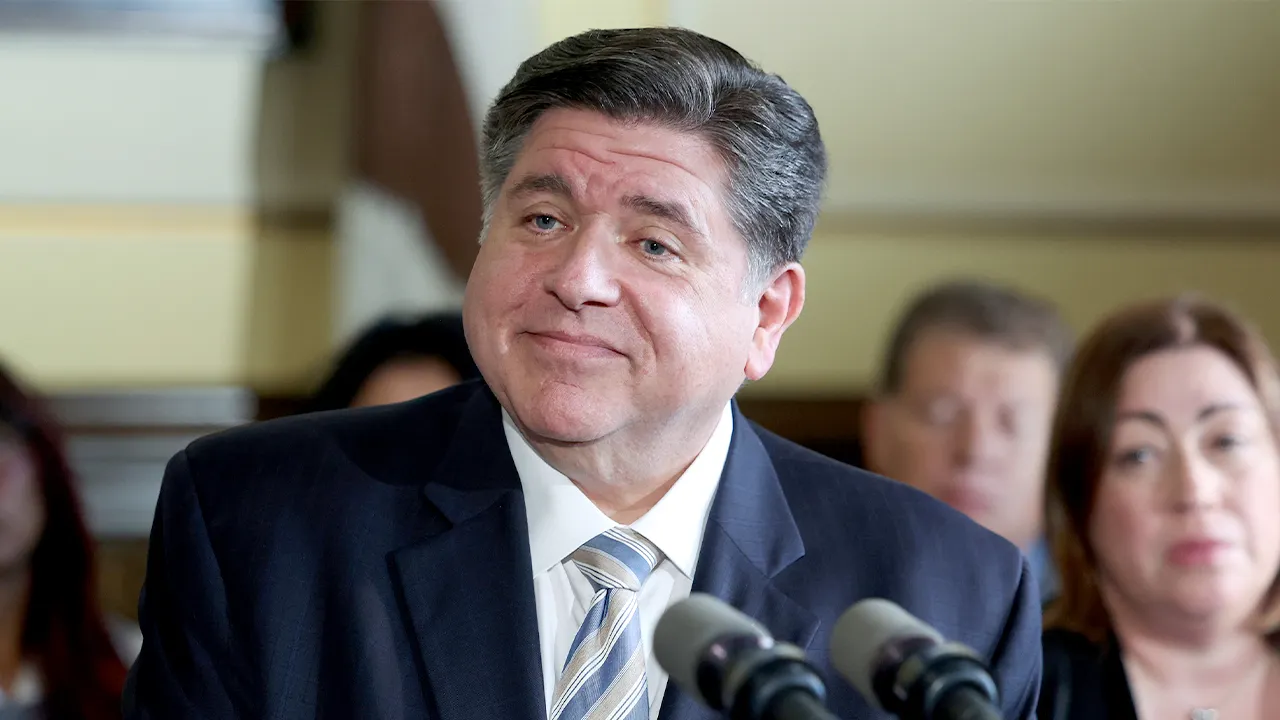
Illinois Gov. J.B. Pritzker is unopposed in the Democratic gubernatorial primary as he seeks a third term. The high-profile contest drawing national attention is the Democratic primary to replace retiring Sen. Dick Durbin. Pritzker is publicly backing Lt. Gov. Juliana Stratton in a crowded field that includes Reps. Robin Kelly and Raja Krishnamoorthi. Krishnamoorthi leads in fundraising and has substantial outside support from a crypto-funded super PAC; Pritzker has used his own wealth to support a super PAC backing Stratton. Rep. Yvette Clarke and others have criticized the governor for being heavy-handed in the primary. Whoever wins the Democratic nomination is viewed as the likely favorite in the general election in this blue-leaning state. The article also notes competitive Democratic primaries for several House seats, multiple GOP candidates challenging Pritzker, heavy early voting, and polls closing at 7 p.m. Central.
Biblical Reflection
This story raises several biblical concerns and obligations for Christians. On one hand, the prospect of more diverse representation—potentially the second Black woman or a second Indian American in the U.S. Senate—can reflect God's concern for justice and the dignity of all people (Genesis 1:27; James 2:1–9). On the other hand, the central role of wealth and political muscle in shaping a primary invites sober reflection. Scripture warns about the corrupting love of money (1 Timothy 6:10) and repeatedly calls leaders to humility, servant-heartedness, and accountability (Mark 10:42–45; Micah 6:8). When a sitting governor pours private millions into a primary, it can undermine trust, fuel perceptions of favoritism, and marginalize ordinary voices—issues the Bible addresses through calls for justice, fair treatment, and care for the vulnerable (Proverbs 29:4; Isaiah 1:17).
Christians should avoid simplistic partisan cheerleading or automatic condemnation. Political engagement is a stewardship responsibility; using resources to support policies and candidates is part of civic life. Yet the church must insist that means matter as much as ends: influence should be exercised transparently, leaders should be evaluated by character and fruit (Galatians 5:22–23; Matthew 7:15–20), and the community should guard against idolizing power or wealth. Pray for wise discernment, expect accountability where power is concentrated, and prioritize the common good—justice, mercy, and humility—over victory at any cost.
Scripture in context
This outlook does not yet include contextual Scripture citations. Do not treat a general biblical theme as an exegetical conclusion.
Faithful Response
No prescribed response is offered. Consider the reflection prompts below in your own church context.
Reflection and Discussion
- 1Am I evaluating candidates primarily by power, wealth, or by humble service and the fruit of their lives?
- 2Where do I see opportunities to pray for justice and accountability in this race rather than simply cheer for a side?
- 3How can I practice servant leadership in my own political engagement and discourage undue influence of money in public life?
Sources
Reporting links are evidence inputs; Sanctuary News' biblical reflection is commentary.
This outlook currently relies on fewer than two linked sources. Broaden verification before teaching from it.
- 1.Original reportprimary