News Summary
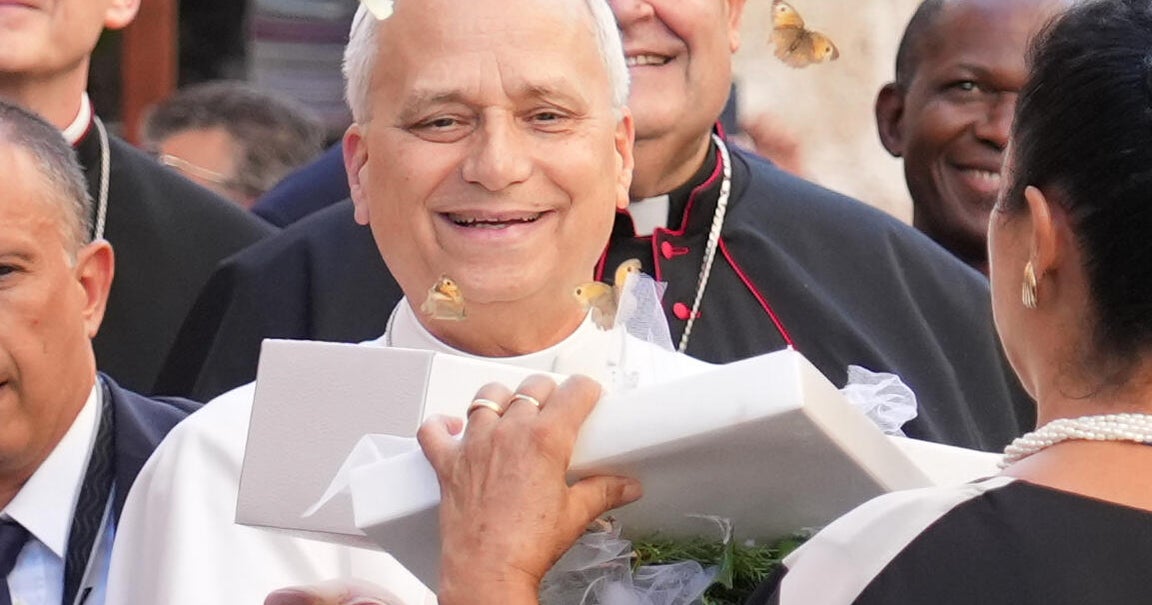
On Monday, Sept. 7, 2026, Pope Leo XIV returned to the Sanctuary of Our Mother of Good Counsel in Genazzano (south of Rome) and unveiled a new painted image in the basilica. Reporting agrees the unveiling was devotional and connected to the place where he prayed soon after his election; the ceremony preceded Mass celebrated with his Augustinian brothers. (Sources: CBS News; PBS NewsHour.)
Source and Framing Analysis
CBS News and PBS NewsHour corroborate the core event (the pope’s return to Genazzano and an unveiling with a subsequent Mass). CBS supplies the sanctuary’s formal name (Sanctuary of Our Mother of Good Counsel), the village location (Genazzano), and the liturgical context (the unveiling came before Mass with his Augustinian brothers). PBS emphasizes the artistic and devotional framing, describing the work as a fresco that depicts the pope praying, placed on an upper cornice of the basilica, and characterizing it as a "permanent sign of his devotion." Both outlets use respectful, devotional language and avoid partisan framing. Missing from both accounts are technical art details (artist, dimensions, materials), commissioning/funding information, formal Vatican or diocesan statements, and broader local reaction. The main discrepancy is terminology (CBS uses "portrait" while PBS calls it a "fresco"); this appears likely to be different word choice for a painted image rather than a substantive factual contradiction, but the reports do not supply art-technical specifics to resolve that difference.
Free every morning
Get the Daily Briefing
The stories shaping today—sourced carefully and considered through Scripture. No outrage bait.
Confirm by email. Unsubscribe at any time.
How sources covered this story
Sanctuary separately assesses reporting quality and alignment with Christian virtues. The virtues assessment considers truthfulness, dignity, compassion, justice, peacemaking, humility, and care for vulnerable people. It does not assess a publisher's faith or reward religious language.
Compare 2 reports
Reporting 80/100Virtues 85/100
- Distinctive contribution
- Notes the fresco's placement on an upper cornice of the basilica, frames the work as a 'permanent sign of his devotion,' and gives a specific day reference ('Monday') and the link to his having prayed there just after his election.
- Framing
- Contextual and reverent — ties the unveiling to personal devotion and historical continuity (prayed after election), presenting the fresco as symbolic rather than merely decorative.
- Omissions or uncertainty
- Doesn’t name the sanctuary explicitly in the excerpt, nor provide the artist, commissioning process, reactions, or further historical details. 'Returned Monday' gives a timing cue but lacks a calendar date/year. The phrase 'permanent sign of his devotion' is interpretive and unattributed.
- Why these scores
- Provides useful context (link to his election, specific placement) and a timing cue, which improves the informational value. The wording is slightly interpretive ('sign of his devotion') without explicit attribution, but overall the excerpt is clear, specific in key respects, and appropriate for a news summary. Places emphasis on devotion and continuity in a respectful manner, avoids sensational language, and highlights spiritual significance. The excerpt shows sensitivity to religious meaning and preserves dignity of subjects.
Reporting 75/100Virtues 82/100
- Distinctive contribution
- Specifies the ceremony timing (before celebrating Mass), the presence of his fellow Augustinian brothers, and the sanctuary's formal name and geographic location (Genazzano, south of Rome).
- Framing
- Neutral, factual, ceremonial — presents the unveiling as part of a liturgical/communal event without editorializing.
- Omissions or uncertainty
- Does not state the day/date of the visit, the physical placement of the artwork on the basilica, who created the fresco, why the image was commissioned, nor any quotes or reactions. It also does not explicitly state that he prayed there just after his election (that detail appears in the other excerpt).
- Why these scores
- Clear, concise factual sentence appropriate for a news brief. Provides specific location and ceremony context but lacks direct attribution, quotes, broader context, and some relevant details (artist, exact placement, date), which limits depth but does not mislead. Respectful and dignified description of a religious event, avoids sensationalism or dehumanizing language, and treats subjects with appropriate reverence. The excerpt shows no evident bias and is mindful of religious context.
Biblical Reflection
From a Christian perspective, the act is a devotional and symbolic gesture: a leader publicly returning in gratitude to a place that shaped his prayer life, and using sacred art to point worship toward God. Such gestures can encourage pilgrimage, communal memory, and beauty in worship. At the same time, gospel-shaped wisdom calls for humility and discernment so visible devotion does not become idolization of a person. Christians should give thanks for holy places and for leaders who show gratitude, while encouraging that public devotional acts be accompanied by concrete service to the poor and vulnerable. Pastoral attention should keep the focus on God, promote mercy and peacemaking, and protect the dignity of all involved.
Scripture in context
- 1Matthew 6:1-6 — In its literary setting, Jesus warns against performing righteous acts for public praise and contrasts public show with humble, private devotion. — This teaching invites Christians to examine motives behind public religious gestures. Visible acts of devotion can be faithful when they cultivate humility and point worship toward God rather than to a human personality. Use this passage to shape pastoral teaching about sacred art, pilgrimage, and leaderly gestures so they form worshipers toward mercy and service.
Faithful Response
Give thanks for a pope who honors a place of prayer and for sacred spaces that form Christian leaders. Pray for Pope Leo XIV and for the Augustinian community in Genazzano, asking God to grant humility, pastoral wisdom, and a servant heart. Encourage congregational teaching about how sacred art and pilgrimage can deepen worship while ensuring attention remains on God. Translate devotional gratitude into concrete acts of mercy for vulnerable neighbors (e.g., local outreach, charity drives, or partnerships with shelters) so the celebration of devotion is accompanied by justice and care.
Free every morning
Get the Daily Briefing
The stories shaping today—sourced carefully and considered through Scripture. No outrage bait.
Confirm by email. Unsubscribe at any time.
Reflection and Discussion
- 1How do images and pilgrimage shape our worship and understanding of holiness without turning devotion into veneration of a person?
- 2What pastoral practices best preserve humility in public acts by church leaders?
- 3How can a congregation transform gratitude for a leader’s devotional gestures into increased service to the poor and marginalized?
- 4When a leader is publicly honored, how can communities ensure the focus remains on God and the common good rather than on personality cult?
Sources
Reporting links are evidence inputs; Sanctuary News' biblical reflection is commentary.
- 1.Pope Leo unveils new fresco at sanctuary where he prayed after his electionprimary_reporting
- 2.Pope Leo returns to sanctuary where he prayed after election and unveils a fresco depicting the eventadditional_reporting