A little more detail
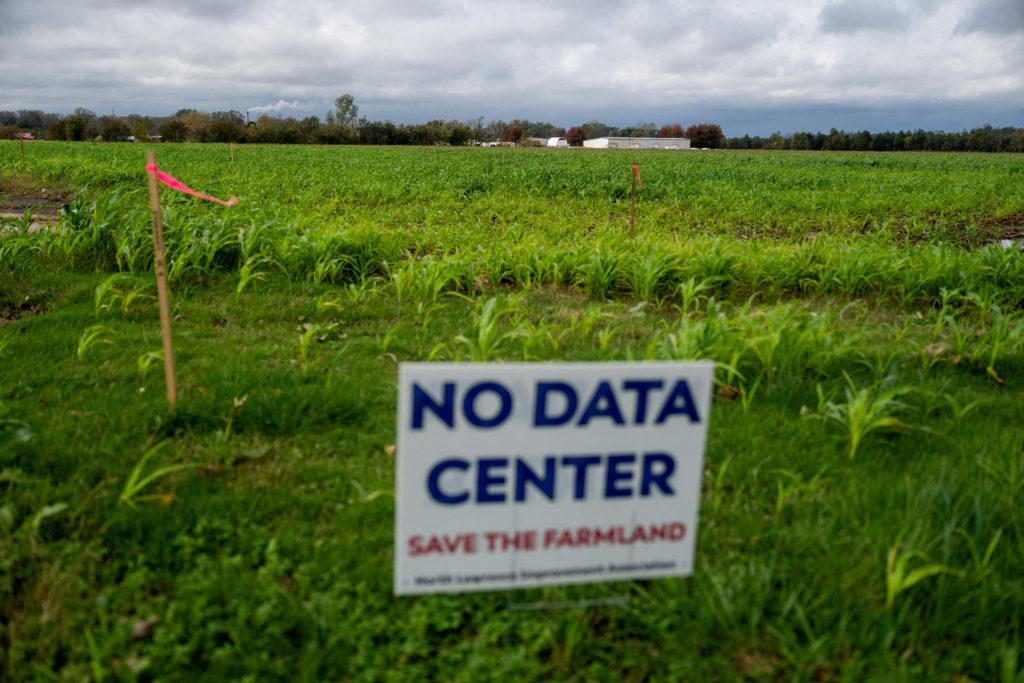
PBS NewsHour reports that while explicit data center regulation was rarely a ballot item, opposition to large server farms and AI-related facilities appeared in Democratic platforms during the midterms. Those platform positions accompanied Democratic wins that displaced longtime Republican governors in Texas, Ohio and Georgia—states the story identifies as centers of data-center growth. The article frames these political shifts as possible early signs that states may pursue tougher rules on data centers, but it does not cite specific enacted regulations or official regulatory proposals.
Source and Framing Analysis
The article is an interpretive piece linking campaign platforms to potential regulatory outcomes. It states facts about campaign platforms and election results (as reported) but moves from reporting to projection when suggesting regulation will follow. The single supplied source is authoritative reporting but lacks primary documents (platform texts, regulatory drafts, or official statements) that would confirm next steps.
How sources covered this story
This section compares the evidence and framing in linked reports. The Christian assessment above addresses the conduct described in the story; it does not grade a journalist’s faith or the morality of covering an event.
Compare 1 reports
Rank 1
PBS NewsHour: Opposition to AI data centers in the midterms foreshadows tougher regulations aheadReporting 72/100
- Distinctive contribution
- States that hard-line stances against server warehouses were incorporated into the platforms of Democrats who defeated longtime Republican governors in Texas, Ohio, and Georgia — states described as data center hot spots — despite data-center regulation not appearing on most ballots.
- Framing
- Presents electoral outcomes as an indicator that opposition to data centers has been politically salient and may presage tougher regulation; observational and policy-forward in tone (title implies a future regulatory impact), but the supplied sentence itself is descriptive rather than polemical.
- Omissions or uncertainty
- No attribution or sourcing for the claim that those platforms included 'hard-line stances'; no examples, quotes, or specifics of the positions; no evidence linking those stances causally to the electoral outcomes; lacks quantitative context (how widespread the platforms were) and no comparison with other states or counterexamples.
- Why these scores
- The line is concise and specific (names states and political outcome), which is useful. However, as supplied it lacks attribution, supporting evidence, and concrete examples that would strengthen the claim and clarify causation versus correlation. For a brief informational claim this is adequate but limited in depth and sourcing.
Christian commentary · About the conduct described in this story
Biblical Reflection
The report points to a political trend rather than a finished policy change. Christians should support truthful, compassionate engagement: listen to communities bearing the burdens of rapid infrastructure growth, study the technical and environmental facts, and advocate for policies that protect people and creation while allowing responsible innovation. Practically, this means encouraging transparent public processes, resisting fear-driven rhetoric, and asking whether proposed rules fairly distribute costs and benefits.
In personal response, attend local hearings or read platform language before forming a firm judgment; pray for humility for leaders and patience and care for neighbors facing disruptive development.
Scripture in context
- 1 — In its historical context, Jesus summarizes the law and prophets by calling for love of God and love of neighbor as the two greatest commandments. He is addressing a question about the primary duty that defines ethical life. — When public policy pits economic growth against neighborhood wellbeing, Christians should prioritize the ethic of neighbor-love while also honoring responsible stewardship and fairness in how decisions are made.
A suggested response for readers, separate from the assessment above.
Faithful Response
Attend a local zoning meeting or read a candidates' platform to better understand how proposed rules affect neighbors.
Reflection and Discussion
- 1Whose voices are centered when policy about data centers is made?
- 2Does proposed regulation balance neighbor-care with fair economic stewardship?
Sources
Reporting links are evidence inputs; Sanctuary News' biblical reflection is commentary.
This is a developing, single-source report. Details may change as more reporting becomes available.
- 1.Opposition to AI data centers in the midterms foreshadows tougher regulations aheadprimary_reporting