News Summary
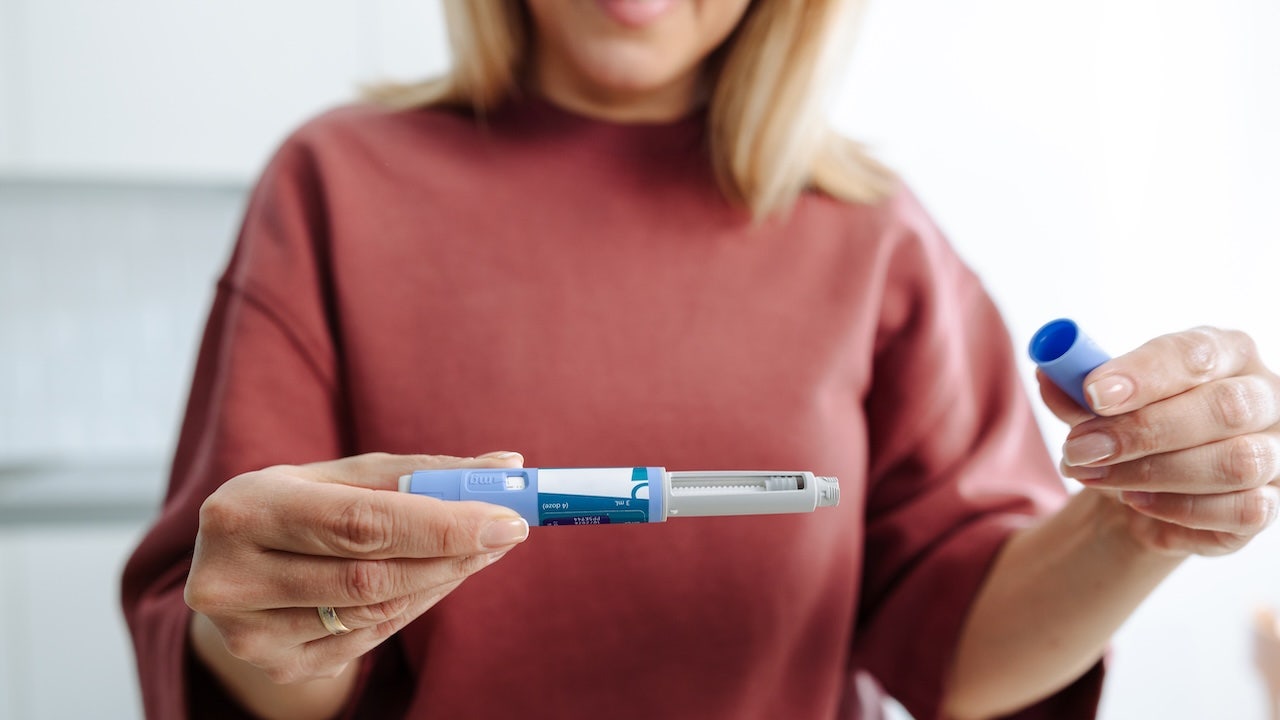
The federal government will launch a temporary pilot called Medicare GLP-1 Bridge on July 1, 2026, making selected brand-name GLP-1 weight-loss drugs available to certain Medicare and Medicare Advantage beneficiaries for $50 per month through the end of 2027. Covered products named in reporting include Eli Lilly’s Foundayo tablets and Zepbound KwikPens and Novo Nordisk’s Wegovy injections and tablets; all are FDA-approved for weight loss. Eligibility requires a baseline BMI of 35+ when therapy began, or BMI 27+ with another qualifying condition (e.g., prior heart attack, stroke, or prediabetes); people who already receive GLP-1 coverage for other conditions (like diabetes or sleep apnea) are not eligible. Before the pilot, out-of-pocket monthly costs for Wegovy and Zepbound commonly ranged from roughly $1,086 to $1,650, though manufacturers had some cash-pay options. CMS Administrator said the agency will track participation and outcomes to inform longer-term coverage decisions and that Congress may debate permanent policy. Medical experts cited in the article warned older patients may be more prone to some adverse effects (e.g., dizziness, hypotension), and CMS and drugmakers said the pilot will collect data on safety and outcomes.
Biblical Reflection
This policy move is fundamentally about access and stewardship: it reduces a clear financial barrier that has kept many older Americans from an FDA‑approved treatment. From a Christian perspective, making potentially beneficial medical care more affordable for vulnerable elders aligns with the call to compassion and neighbor-love. However, Christians should also practice discernment. The article leans on manufacturer and government statements and emphasizes price relief without deeply examining long-term safety, comparative effectiveness, or the structural causes of obesity (food systems, poverty, social isolation). There are legitimate concerns about medicalizing weight and relying primarily on pharmaceutical solutions when prevention, social supports, and holistic care also matter. The pilot’s short timeframe and selective eligibility reflect both prudent caution and political limits; the reporting does not fully explore fiscal impacts on Medicare, the evidence thresholds CMS will use, or industry incentives to expand markets. Practically, Christians can welcome relief for seniors while urging careful oversight: demand robust safety monitoring, transparency about outcomes and costs, and equitable policies that prioritize whole-person health rather than appearance or profit. Ultimately, truth requires asking whether this program promotes genuine flourishing for elders and whether it will be accompanied by measures that address broader causes of poor health.
Scripture in context
This outlook does not yet include contextual Scripture citations. Do not treat a general biblical theme as an exegetical conclusion.
Faithful Response
No prescribed response is offered. Consider the reflection prompts below in your own church context.
Reflection and Discussion
- 1Who stands to gain most from this pilot, and which groups are left out by its eligibility rules?
- 2Are decisions framed mainly by immediate cost relief and industry interest, or by transparent evidence of long-term safety and benefit for older adults?
- 3Does this policy treat weight primarily as a medical commodity, and how should Christians balance access to treatments with attention to prevention and social factors that shape health?
Sources
Reporting links are evidence inputs; Sanctuary News' biblical reflection is commentary.
This outlook currently relies on fewer than two linked sources. Broaden verification before teaching from it.
- 1.Original reportprimary