Man charged with planting pipe bombs seeks dismissal, arguing he falls under Trump’s Jan. 6 pardons
Read original source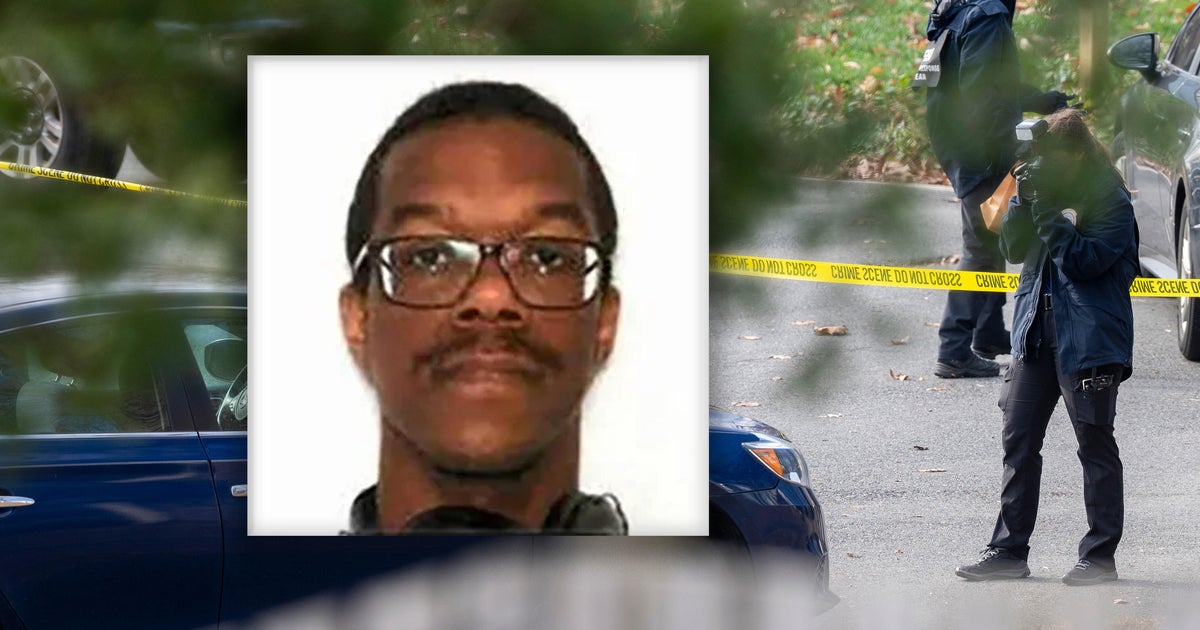
Scriptural Outlook
Brian Cole Jr. has asked a federal judge to dismiss charges that he planted pipe bombs outside the Republican National Committee and Democratic National Committee headquarters on Jan. 5, 2021, arguing he is covered by President Trump’s broad pardons issued to alleged Jan. 6 participants. Cole, who has pleaded not guilty, was charged late in 2025 with interstate transportation of explosives and malicious attempt to use explosives after the FBI identified him in a case that was unsolved for nearly five years. Prosecutors allege the devices were viable though they did not detonate; FBI filings reportedly say Cole traveled to Washington, D.C., to attend a 2020 election-related protest, which his lawyers say links his conduct to the events surrounding Jan. 6. The Trump pardons, issued after the former president returned to the White House, granted relief to roughly 1,500 defendants for “offenses related to events that occurred at or near the United States Capitol on January 6, 2021” and directed the Justice Department to seek dismissals for those not yet convicted. Legal debate centers on how far “related to” reaches—whether offenses the day before Jan. 6 can be covered—and the pardons’ broader impact on accountability. The case is the latest to test the scope of those pardons; legal commentators have called broad language an unintended threat to the rule of law. The DOJ had not publicly commented in the report.
From a biblical standpoint this story raises two serious moral concerns that must be held together: the need for just accountability for violence and the call to practice mercy rightly ordered under the rule of law. The alleged planting of viable explosive devices is an act that endangered others and, if true, is a clear assault on the safety of the community (cf. Exodus 20:13; the moral imperative not to kill or endanger). Scripture consistently affirms that leaders and institutions should uphold justice and protect the vulnerable (Psalm 72; Proverbs 31:8–9). At the same time, the Bible calls the people of God to mercy and to resist hypocrisy in how mercy is applied (Micah 6:8; Isaiah 1:17). A pardon or mercy that removes consequences for violent wrongdoing risks undermining the just ordering God intends and can injure public trust—especially if applied selectively or in ways that look like favoritism. Christians should therefore insist on both truth and grace: truth in investigating wrongdoing and ensuring consequences when lives or safety are threatened; grace in recognizing repentance and allowing for restoration where genuine. We should pray for transparent, impartial processes that protect the innocent, hold perpetrators accountable, and allow for genuine repentance and restoration when appropriate. Politically charged actions—pardons or prosecutions—must be evaluated not by partisan advantage but by whether they promote the common good, justice, and peace (Romans 13:1–7; 1 Peter 2:13–17)."Micah 6:8 — "He has shown you, O mortal, what is good. And what does the LORD require of you? To act justly and to love mercy and to walk humbly with your God.""