LA County Lifeguard Captain Jeffrey Little, Who Sought Religious Accommodation from Progress Pride Flag Duties and Was Suspended, Heads Toward Trial
Read original source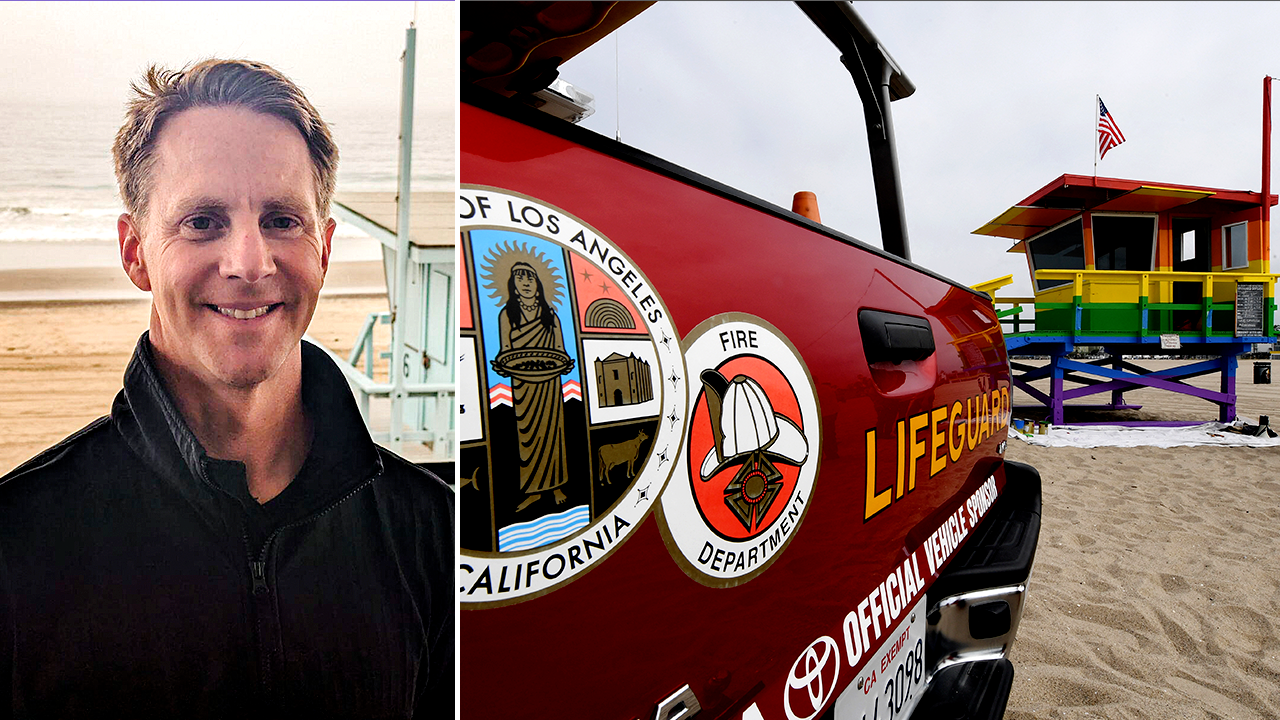
Pastoral Outlook
Captain Jeffrey Little, a lifeguard division captain with more than 20 years' service in the Los Angeles County Fire Department, sued Los Angeles County and several supervisors in 2024 after the county adopted a 2023 policy requiring the Progress Pride flag be flown at county facilities during June. Little, a devout Christian, requested a religious accommodation exempting him from personally raising the flag or directing subordinates to raise it. He says the county initially granted the accommodation and revoked it two days later. Little removed several Pride flags from lifeguard stations, was investigated, and was suspended for 15 days without pay. Los Angeles County says Little was disciplined for unauthorized removal of government-issued flags and policy violations, not for his religious beliefs. The lawsuit alleges retaliation, harassment and discrimination, and claims statements by supervisors discounted his religious views; the county disputes those allegations. Little is seeking a permanent accommodation, damages, and removal of disciplinary findings from his personnel record. A federal judge issued a sealed ruling following cross-motions for summary judgment, granting in part and denying in part each motion, and the case is being prepared for trial. Little is represented by the Thomas More Society. The LA County Fire Department did not immediately comment to the reporting outlet.
This story sits at the intersection of religious conscience, public-employer policies, and workplace rules. From a Christian perspective several truths and tensions are relevant. First, religious liberty is a biblical and civic concern: Christians should take seriously the conviction that conscience matters (Acts 5:29). At the same time, governments and public employers have legitimate workplace policies and responsibilities to enforce neutral rules about government property and official duties. The article presents competing narratives: Little and his attorneys frame the matter as religious discrimination, while the county frames it as enforcement of flag and personnel policies. The sealed court ruling and disputed facts (whether an accommodation was properly granted and then revoked, whether removals were authorized, and differential discipline claims) suggest complexity rather than a simple case of persecution or of clear misconduct. Readers should note the outlet's sympathetic angle toward claims of religious-liberty infringement; that framing can underemphasize procedural or policy-based reasons for discipline. Scripturally informed discernment calls for holding two convictions together: to defend conscience and religious freedom where they are legitimately burdened, and to insist on truth, evidence, and humility before charging institutions with hostility. Christians should pray for clarity, seek facts, and advocate for fair processes that protect both sincere conscience claims and the rule of law. Finally, this case will have broader cultural and legal implications about how public institutions accommodate religious objections to symbolic workplace duties, so careful attention to the court record rather than headlines will be necessary to form a measured judgment.Thought to Remember
“Acts 5:29 — "But Peter and the apostles answered, 'We must obey God rather than men.'"”