News Summary
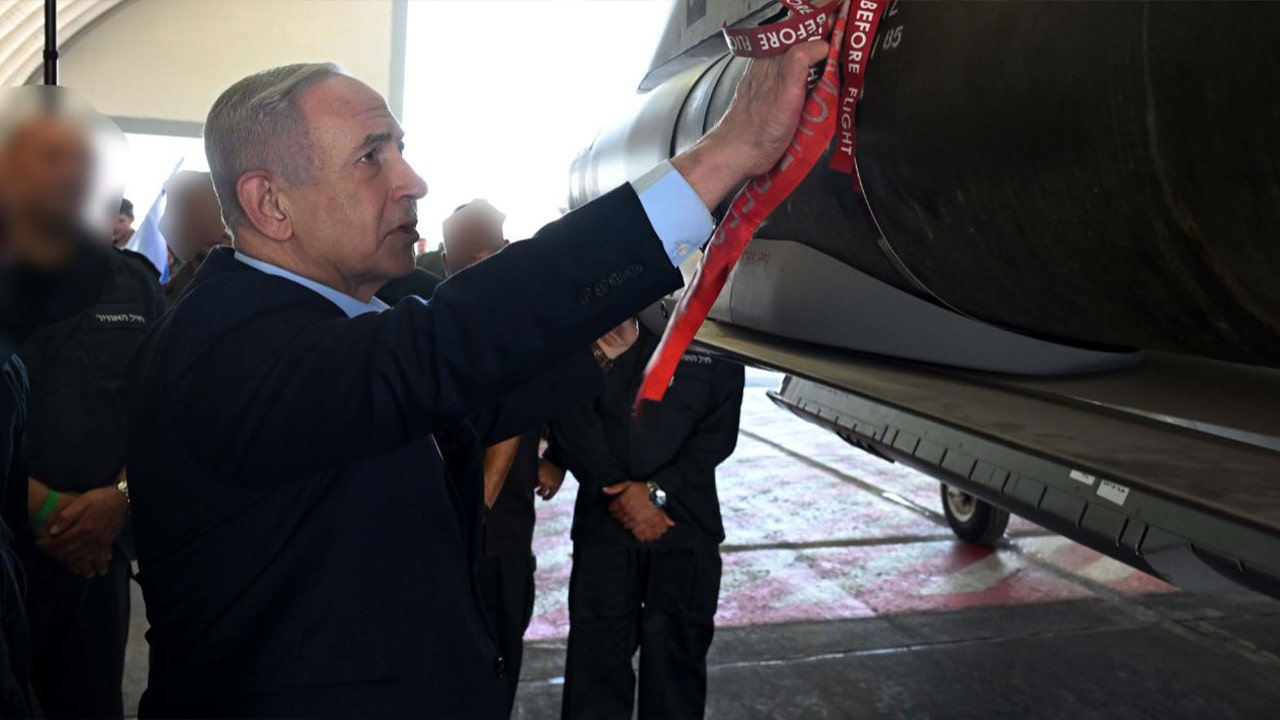
Israeli leaders publicly stated the Israeli Defense Forces are on high alert and said Israel is prepared to resume strikes against Iran, potentially for a third campaign. IDF Minister Israel Katz said Israel would regain air superiority and carry out independent strikes if necessary; Prime Minister Benjamin Netanyahu said the war with Iran is not over and Iran must not obtain a nuclear weapon. Some Israeli analysts cited by the article suggested public warnings may overstate Israel’s appetite for renewed fighting because of the likely Iranian missile response and domestic political costs. U.S. officials told Fox News Digital they remain closely coordinated with Israel and denied reports that the U.S. does not want Israeli participation in recent strikes; two Israeli sources told CNN the Trump administration does not currently want Israel involved. The Wall Street Journal reported Israel provided U.S. intelligence about a reported new Iranian assassination plot targeting Donald Trump. President Trump posted that the ceasefire with Iran is “OVER.” The piece notes renewed U.S. strikes on Iranian targets, recent attacks on commercial shipping in the Strait of Hormuz, CENTCOM-released footage of strikes, Qatari negotiators visiting Iran reportedly in coordination with the U.S., and references to prior strikes by the U.S. and Israel on Iranian nuclear facilities in 2025 and a coordinated campaign launched Feb. 28. The article quotes Israeli and U.S. officials and analysts and reports differing accounts about whether Israel will join further U.S. operations, while warning that Israeli strikes on Iran could trigger Iranian missile attacks against Israel.
Biblical Reflection
From a Christian pastoral perspective, this reporting highlights both the real dangers of escalation and the strategic use of public language in wartime. The article relies heavily on official statements, unnamed sources, and competing media reports; where accounts conflict, certainty is low and readers should be cautious about accepting any single narrative as definitive. The public signaling of readiness to strike serves deterrence and domestic political aims as much as it communicates military intent. Christians are called to seek truth and to pray and work for peace: this situation risks harm to many civilians across the region, threatens freedom of navigation and global commerce, and can deepen cycles of violence and retaliation. Pastoral discernment urges us to grieve the human cost, to hold leaders accountable for transparent decision-making that protects noncombatants, and to resist rhetoric that dehumanizes the other or celebrates escalation. At the same time, the duty to protect the innocent and to prevent nuclear proliferation are real moral concerns; a faithful response balances the pursuit of justice and security with humility, restraint, and persistent efforts toward negotiated solutions that spare civilian life.
Scripture in context
This outlook does not yet include contextual Scripture citations. Do not treat a general biblical theme as an exegetical conclusion.
Faithful Response
No prescribed response is offered. Consider the reflection prompts below in your own church context.
Reflection and Discussion
- 1Are public warnings and military postures in this reporting primarily aiming to deter adversaries, shape domestic politics, or prepare the public for escalation?
- 2What evidence is presented for serious claims (e.g., an assassination plot), and how should Christians weigh intelligence claims that are reported via unnamed sources and competing outlets?
- 3Who will bear the greatest human cost if the conflict widens, and how does that reality shape what Christians should pray and advocate for?
Sources
Reporting links are evidence inputs; Sanctuary News' biblical reflection is commentary.
This outlook currently relies on fewer than two linked sources. Broaden verification before teaching from it.
- 1.Original reportprimary