News Summary
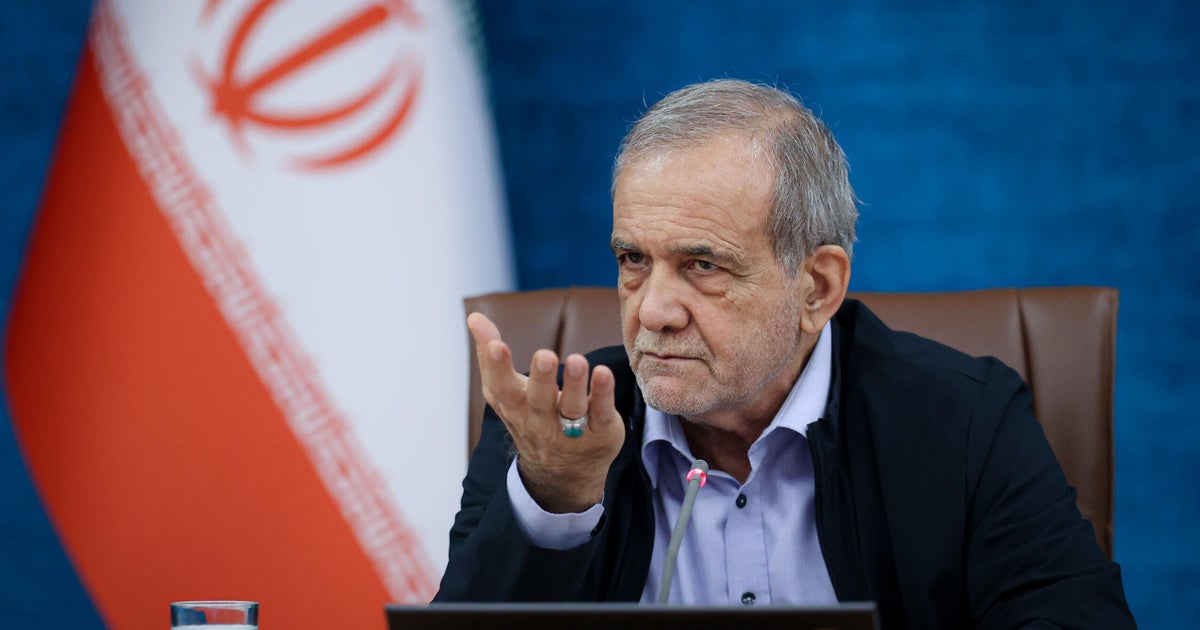
Reported facts: CBS News attributes a statement by Iran's president saying the world had "approved" Iran's victory. CBS also attributes a quoted remark to U.S. Vice President J.D. Vance that economic pressure is "the most effective tool that we have." NPR reports Iranian officials dismissing U.S. threats to "crush Iran economically" and saying years of U.S. sanctions have "failed." Framing: the coverage presents competing official narratives—Tehran's declaration of victory and dismissal of economic threats, and U.S. officials' emphasis on stepped-up economic measures. Key uncertainties remain: whether the "world" broadly endorses Iran's claim of victory; what specific new measures the U.S. is deploying and their intended or actual effects; and the humanitarian consequences of intensified economic pressure.
Source and Framing Analysis
Both supplied items are mainstream news reports that mainly relay official statements rather than independent verification of strategic outcomes. CBS supplies named attribution for the U.S. side (Vice President J.D. Vance) and reports an attributed Iranian presidential claim of "approved" victory; NPR supplies reporting that Iranian leaders dismissed U.S. threats and characterize years of sanctions as having "failed." The two sources corroborate that competing narratives exist, but neither provides independent evidence that Iran has achieved decisive, internationally recognized victory or that economic measures will achieve intended political objectives. Omissions in the supplied excerpts: specific identity/context for the quoted Iranian president (beyond title), timing and venue of the remarks, detailed description of what new economic measures are in play, independent international reactions, and any reporting on humanitarian impacts. In short, the coverage is accurate about who said what but limited on verifying consequential claims and outcomes.
Free every morning
Get the Daily Briefing
The stories shaping today—sourced carefully and considered through Scripture. No outrage bait.
Confirm by email. Unsubscribe at any time.
How sources covered this story
Sanctuary separately assesses reporting quality and alignment with Christian virtues. The virtues assessment considers truthfulness, dignity, compassion, justice, peacemaking, humility, and care for vulnerable people. It does not assess a publisher's faith or reward religious language.
Compare 2 reports
Reporting 75/100Virtues 70/100
- Distinctive contribution
- Names JD Vance and provides a direct quoted policy claim about economic pressure being "the most effective tool," while also reporting an Iranian presidential claim that the world has "approved" Iran's victory.
- Framing
- Neutral/descriptive: presents short, direct quotations from leaders without added evaluative language in the supplied excerpt.
- Omissions or uncertainty
- Does not identify which Iranian president (name), give fuller context for the claimed "victory," specify when/where remarks were made, provide sourcing or on-the-record attribution beyond titles, or explain the substance or likely impact of the U.S. economic measures referenced.
- Why these scores
- Concise and specific: offers direct quotations and identifies a named U.S. official, which is useful and responsibly attributed in the excerpt. Loses points because the excerpt lacks contextual details (speaker names for Iran, timing, evidence, and explanatory context) that would be necessary for fuller understanding. The excerpt is factual and not dehumanizing; it quotes leaders rather than attacking people. It does, however, present talk of victory and economic coercion without moral or humanitarian context. Overall neutral and non-exploitative reporting in the excerpt.
Reporting 72/100Virtues 70/100
- Distinctive contribution
- Summarizes the Iranian regime's dismissal of U.S. economic threats and frames Iranian officials' explanation that sanctions have been ineffective over years.
- Framing
- Summative/attributive: frames the content as the position of "the Iranian regime," stating their dismissal of U.S. threats and the claim that sanctions have failed.
- Omissions or uncertainty
- No named speaker or specific attribution (which official said this), no date or location, no supporting evidence or examples for the claim that sanctions have "failed," and no context about what "failed" means in practice (economic impact, political objectives, etc.).
- Why these scores
- The excerpt responsibly attributes a clear viewpoint to the Iranian side and summarizes the claim succinctly. It is limited by lack of specific attribution (who said it), absence of contextual evidence, and no balancing detail in the supplied text, but that brevity is appropriate for a short excerpt. The language is not sensationalist or dehumanizing; it reports a political position. Using the term "regime" may carry negative connotation but is common in coverage; overall the excerpt neither vilifies nor exploits suffering and treats the claim as an attributable political stance.
Biblical Reflection
Christian discernment distinguishes between reporting the words of leaders and endorsing the claims those words make. Theologically and pastorally, we should center truth, mercy, justice, peacemaking, humility, dignity, and care for vulnerable neighbors. Economic pressure and sanctions are nonmilitary instruments that can be legitimate tools of statecraft, but they can also impose severe hardship on ordinary people (access to medicine, food, livelihoods). Christians should therefore: (1) refuse partisan triumphalism that treats geopolitical rhetoric as sport; (2) press for policies that include humanitarian safeguards and clear, proportionate objectives; (3) advocate for transparency and independent verification of claims of "victory" or policy success; and (4) prioritize prayer and practical care for civilians affected by sanctions and conflict. This outlook is distinct from factual reporting: it evaluates means by their moral implications and calls leaders and communities to protect the vulnerable while seeking peaceful, just outcomes.
Scripture in context
- 1Matthew 5:9 — A teaching that elevates peacemaking as a defining virtue for followers of Jesus and frames Christian responsibility in situations of conflict. — In contexts where leaders use rhetoric and coercion, Christians are reminded to value peacemaking, to listen across divides, and to work toward reconciliation that reduces harm rather than amplifies enmity.
- 2Romans 12:17-21 — Instructions given to the early Christian community about not repaying evil with evil and seeking to live peaceably with others when possible. — When states employ punitive measures, Christians should weigh whether those measures pursue restorative justice and protect the innocent, avoiding calls for revenge that escalate human suffering.
Faithful Response
Pray for wisdom for leaders, protection for civilians, and breakthroughs toward peaceful resolution.
Seek reliable, corroborated information before sharing political claims; resist amplifying unverified triumphal or dehumanizing language.
Support reputable humanitarian organizations that can deliver medical, food, and other relief to civilians affected by sanctions or conflict.
Engage civic channels: ask elected officials what humanitarian safeguards accompany economic measures, what concrete objectives are intended, and how success will be measured.
Provide pastoral care and safe space in congregations for people anxious or personally affected by the crisis; host informed, nonpartisan briefings to help the community understand the human stakes.
Free every morning
Get the Daily Briefing
The stories shaping today—sourced carefully and considered through Scripture. No outrage bait.
Confirm by email. Unsubscribe at any time.
Reflection and Discussion
- 1Are declarations of "victory" presented as verified fact or as rhetorical claims? How does that shape our response?
- 2What are the likely humanitarian effects of intensified economic pressure on ordinary people, and how should those effects inform our moral evaluation of policy?
- 3How can Christians hold leaders accountable for pursuing justice and deterrence while also practicing mercy and peacemaking?
- 4What reliable sources and forms of evidence should inform our judgments about whether economic measures are working?
Sources
Reporting links are evidence inputs; Sanctuary News' biblical reflection is commentary.
- 1.Iran declares it has won the war as U.S. turns to economic warfareprimary_reporting
- 2.Top Iran official says U.S. focus on economic warfare shows it has failed militarilyadditional_reporting