News Summary
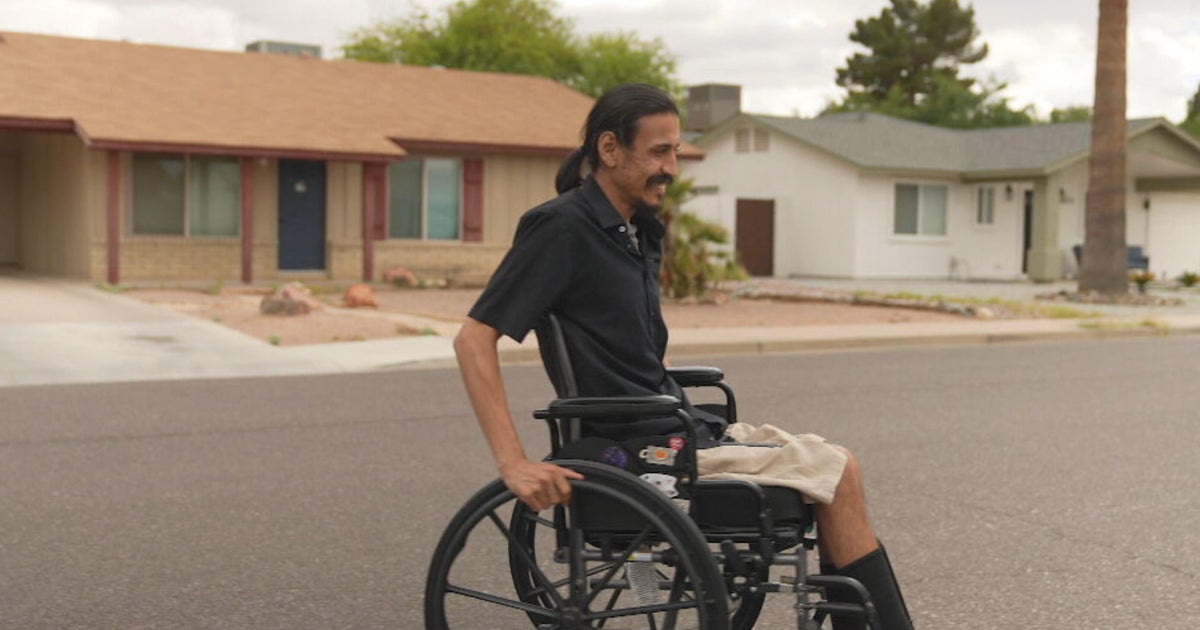
When Chandler, Arizona officers responded to a call about an armed, threatening man, neighbor Mark Trujillo stepped outside to warn that his wife and children were inside the adjacent home. Body-worn and Ring camera footage reviewed by CBS News show officers at one end of the street shouting at a suspect to drop his gun and then firing. Officers at the other end of the street did not get the message that the suspect was down; five seconds after Trujillo gestured toward his home, he was shot by an officer who the Chandler Police say mistook him for the suspect. Trujillo’s spine was severed and he is paralyzed. CBS News reviewed records and footage and identified more than 50 cases nationwide since 2015 in which innocent bystanders were shot by police; watchdogs say the true number is likely higher and there is no official federal tracking. Trujillo has filed a $50 million lawsuit against the city and police; the officers were cleared of criminal wrongdoing. Attorneys say qualified immunity often makes civil suits difficult to win. The Fraternal Order of Police has urged Congress to codify qualified immunity. The article notes families frequently have no path to cover medical or funeral expenses and includes another recent case (a California family unable to obtain liability in the fatal shooting of a 14-year-old). Law enforcement sources cited concerns that legal exposure affects officer decision-making and recruitment. Litigation in the Chandler case is ongoing.
Biblical Reflection
This report highlights a painful clash between two legitimate public goods: the need for police to act decisively in dangerous moments and the duty to protect innocent life and provide redress when mistakes cause grave harm. The article documents concrete injuries and legal barriers victims face, and it rightly calls attention to the absence of comprehensive data and to qualified immunity as a structural obstacle to accountability. The coverage leans toward the victims’ perspective—understandable given the human cost—but it also includes law-enforcement concerns about liability and public-safety trade-offs. From a Christian vantage point, the story exposes how fallen systems can injure the vulnerable and frustrate justice. Truth requires careful investigation and sober weighing of evidence; mercy demands care for those crushed by error; humility calls for listening to both victims and officers; and courage prompts structural reform where institutions consistently fail. Christians should press for accurate data, transparent investigations, fair legal processes that allow victims to seek restitution, and reforms that protect both civilians and officers. Advocacy for victims and calls for systemic reform are compatible with praying for officers’ safety and honest accountability.
Scripture in context
This outlook does not yet include contextual Scripture citations. Do not treat a general biblical theme as an exegetical conclusion.
Faithful Response
No prescribed response is offered. Consider the reflection prompts below in your own church context.
Reflection and Discussion
- 1What incentives and legal rules (like qualified immunity) shape whether victims can obtain redress, and how does that influence public trust?
- 2What gaps in data and oversight allow repeated harm to go unseen, and what questions should we ask to reveal patterns?
- 3How do we hold together compassion for individual officers facing split-second danger and a firm insistence on consequences and prevention when avoidable harm occurs?
Sources
Reporting links are evidence inputs; Sanctuary News' biblical reflection is commentary.
This outlook currently relies on fewer than two linked sources. Broaden verification before teaching from it.
- 1.Original reportprimary