News Summary
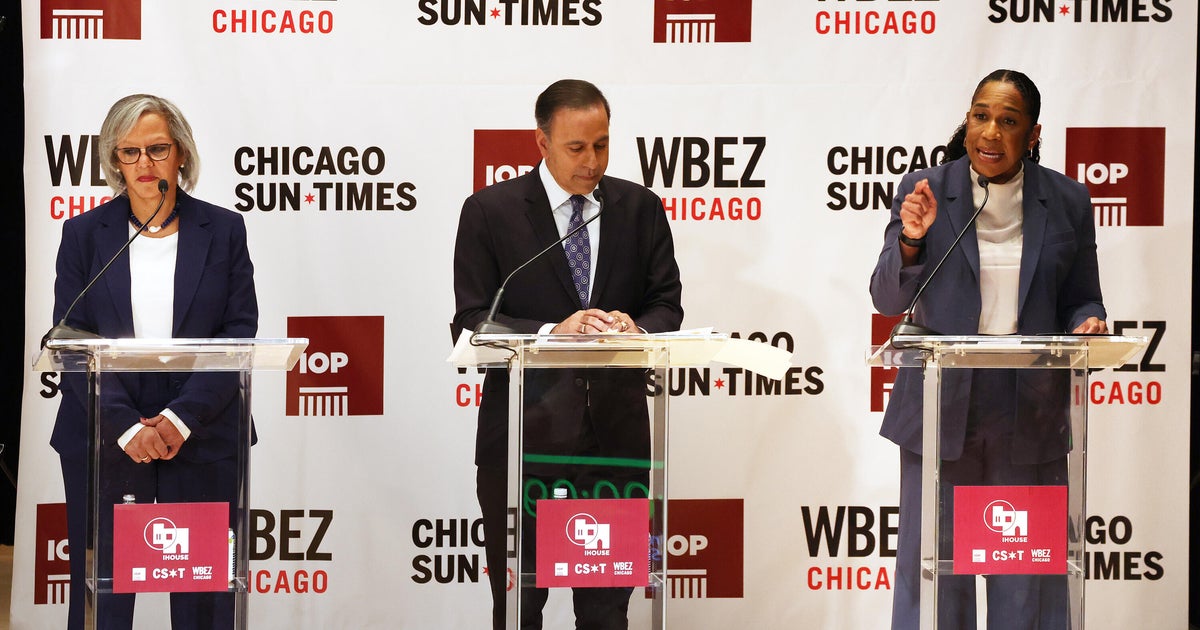
The article reports on the 2026 Democratic primary to replace retiring Sen. Dick Durbin in Illinois, a three-way contest between Lt. Gov. Julianna Stratton, Rep. Raja Krishnamoorthi, and Rep. Robin Kelly. Immigration enforcement and the future of ICE and DHS are central issues following a high-profile ICE operation in the Chicago area. All three candidates call for major changes to immigration enforcement, but differ in degrees: Krishnamoorthi opposes further funding and favors reforms (body cameras, identification, third-party investigations), Stratton calls to abolish ICE and prosecute agents who break the law and wants a “total revamp,” while Kelly advocates dismantling ICE and DHS and rebuilding the systems that handle citizenship and asylum. Gov. J.B. Pritzker has heavily backed Stratton with endorsements and millions funneled through Illinois Future PAC, drawing criticism from Congressional Black Caucus leaders who back Kelly. Krishnamoorthi has outspent opponents directly and benefited from about $10 million in outside spending by the Fairshake super PAC (funded by Andreessen Horowitz and Coinbase executives), raising concerns about corporate influence. The race tests Pritzker’s influence in Illinois, Democratic messaging on ICE ahead of midterms, the political risk of abolition rhetoric, and the role of outside and big-donor spending in Senate primaries.
Biblical Reflection
From a biblical perspective this story raises two intertwined concerns: the call to justice and compassion toward vulnerable people (including immigrants) and the ethical dangers posed by concentrated political power and money. Scripture repeatedly calls God’s people to defend the stranger and pursue justice (e.g., care for the foreigner and widow), which should make Christians attentive to policies that harm or marginalize immigrants. At the same time, the Gospel warns about the corrupting influence of wealth and power and calls leaders to servant-hearted humility rather than domination. The prominent themes here—calls to abolish or radically restructure ICE/DHS, the political theatre around those positions, and the outsized role of wealthy donors and super PACs—require discernment. We must test candidates not only on sound policy proposals but on character, motives, and whether their proposed changes will protect human dignity, uphold the rule of law, and promote the common good. The heavy investment of a single governor or of corporate-funded outside groups also invites questions about accountability, stewardship, and whether politics is being driven by genuine public service or by private interests. Christians should resist simplistic tribal impulses (for or against a particular candidate) and instead weigh whether a candidate’s vision advances mercy and justice, listens to the marginalized, and models servant leadership. We should also press for transparency and reforms that reduce the distorting effects of money in politics while advocating humane, lawful responses to immigration that honor both compassion and public safety.
Scripture in context
This outlook does not yet include contextual Scripture citations. Do not treat a general biblical theme as an exegetical conclusion.
Faithful Response
No prescribed response is offered. Consider the reflection prompts below in your own church context.
Reflection and Discussion
- 1How do my convictions about justice and compassion for strangers shape the way I evaluate candidates' immigration proposals?
- 2In what ways should Christian concern about money and influence in politics affect my voting and civic engagement?
- 3Am I more convinced by political rhetoric or by a candidate’s history of servant leadership and care for the vulnerable?
Sources
Reporting links are evidence inputs; Sanctuary News' biblical reflection is commentary.
This outlook currently relies on fewer than two linked sources. Broaden verification before teaching from it.
- 1.Original reportprimary