News Summary
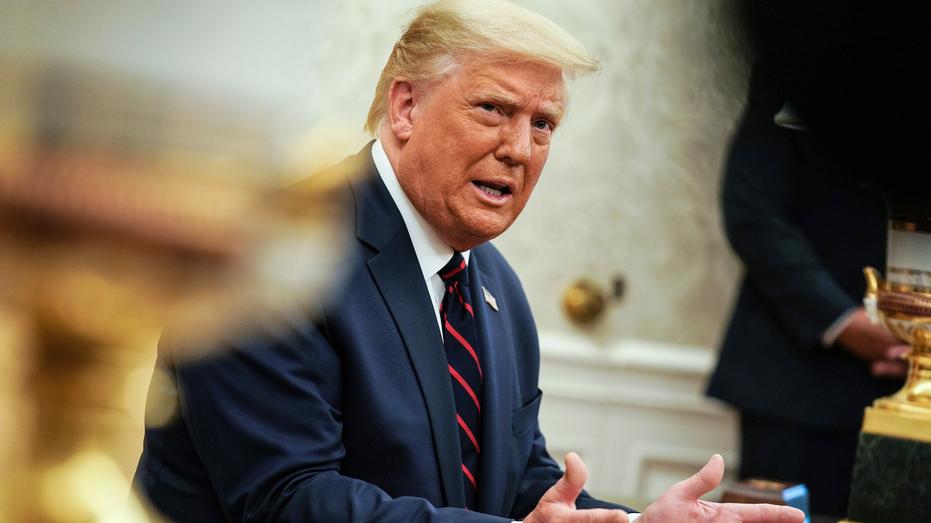
Reported facts: The U.S. House passed a war powers resolution directing President Trump to withdraw U.S. military forces from the Iran conflict; the vote was 214–208. Four Republicans joined Democrats in favor. Attributed claims: Reporters note the resolution was proposed by Rep. Pramila Jayapal and that the Trump administration has called such measures unconstitutional. Uncertainty: Whether the resolution will compel any immediate change in U.S. military posture is unclear; multiple outlets describe the measure as largely symbolic and potentially nonbinding.
Source and Framing Analysis
Material uncertainties include the resolution’s enforceability and the practical effect on military operations. Fox News’ headline frames Republican defectors as 'rebelling against Trump,' which emphasizes intra-party drama; other outlets (Guardian, CBS) frame the vote as a rebuke or as largely symbolic. All three supplied sources agree the vote passed and that a small number of Republicans joined Democrats, but they differ in emphasis—political spectacle versus constitutional check—so readers should separate the factual vote count from layered political interpretation.
Free every morning
Get the Daily Briefing
The stories shaping today—sourced carefully and considered through Scripture. No outrage bait.
Confirm by email. Unsubscribe at any time.
Biblical Reflection
Christians should read this vote through the twin commitments to truth and peacemaking. Congress acting to assert its constitutional role in authorizing or limiting war can be an expression of prudence and public accountability—a check intended to protect citizens and civilians from the human cost of extended conflict. When members of Congress cross party lines to oppose military action, it often reflects conscience-driven courage rather than mere political theater. That courage should be acknowledged, especially when it aims to protect life and pursue a less violent path.
At the same time, believers should hold lightly to partisan frames and insist on careful discernment about what the vote actually achieves. The resolution’s symbolic force does not automatically translate into immediate policy change or improved safety for people in the region; treating it as a final solution risks complacency. Christians called to seek justice and mercy must press for sustained, wise action—diplomacy, humanitarian relief, and realistic policy pathways that reduce suffering—rather than assuming a single congressional vote settles complex moral responsibilities.
Finally, the episode invites humility. Christians must neither idolize a political leader nor demonize those who support them; rather, we are to pray for leaders, lament civilian suffering, honor those who act for peace, and advocate for policies that protect the vulnerable. The gospel calls us to be peacemakers who pursue truth—speaking plainly about what a policy will and will not accomplish and caring practically for those most affected.
Scripture in context
- 1Matthew 5:9 (Beatitudes) — This line appears in the Sermon on the Mount, where Jesus outlines values for his followers—calling them to righteousness, mercy, and the difficult work of peacemaking within a hostile world. — In civic life, being a 'peacemaker' means working to prevent and reduce harm, advocating for restraint when violence threatens civilians, and supporting institutions that temper the use of force while still seeking justice.
Faithful Response
Pray regularly for those affected by the conflict, for policymakers on all sides, and for humanitarian workers on the ground.
Seek reliable, multiple-source information before drawing conclusions; resist partisan simplifications and ask whether reported actions will materially protect lives.
Engage civically where appropriate—contact representatives to encourage policies that prioritize de-escalation, civilian protection, and humanitarian aid.
Support church and nonchurch organizations providing relief to civilians harmed by the conflict.
Free every morning
Get the Daily Briefing
The stories shaping today—sourced carefully and considered through Scripture. No outrage bait.
Confirm by email. Unsubscribe at any time.
Reflection and Discussion
- 1How should Christians evaluate the difference between symbolic legislative actions and concrete policy changes when those actions bear on life-and-death matters?
- 2In what ways does calling public officials to account reflect Christian commitments to justice and care for the vulnerable?
- 3Are we more inclined to celebrate partisan victories or to push for practical measures that reduce suffering—how does that preference reveal the priorities of our faith?
Sources
Reporting links are evidence inputs; Sanctuary News' biblical reflection is commentary.
- 1.4 House Republicans rebel against Trump, vote with Dems to block Iran war powersprimary_reporting
- 2.House again rebukes Trump on Iran, approving resolution to limit war powersadditional_reporting
- 3.US House passes war powers resolution directing Trump to withdraw US military from Iranadditional_reporting