News Summary
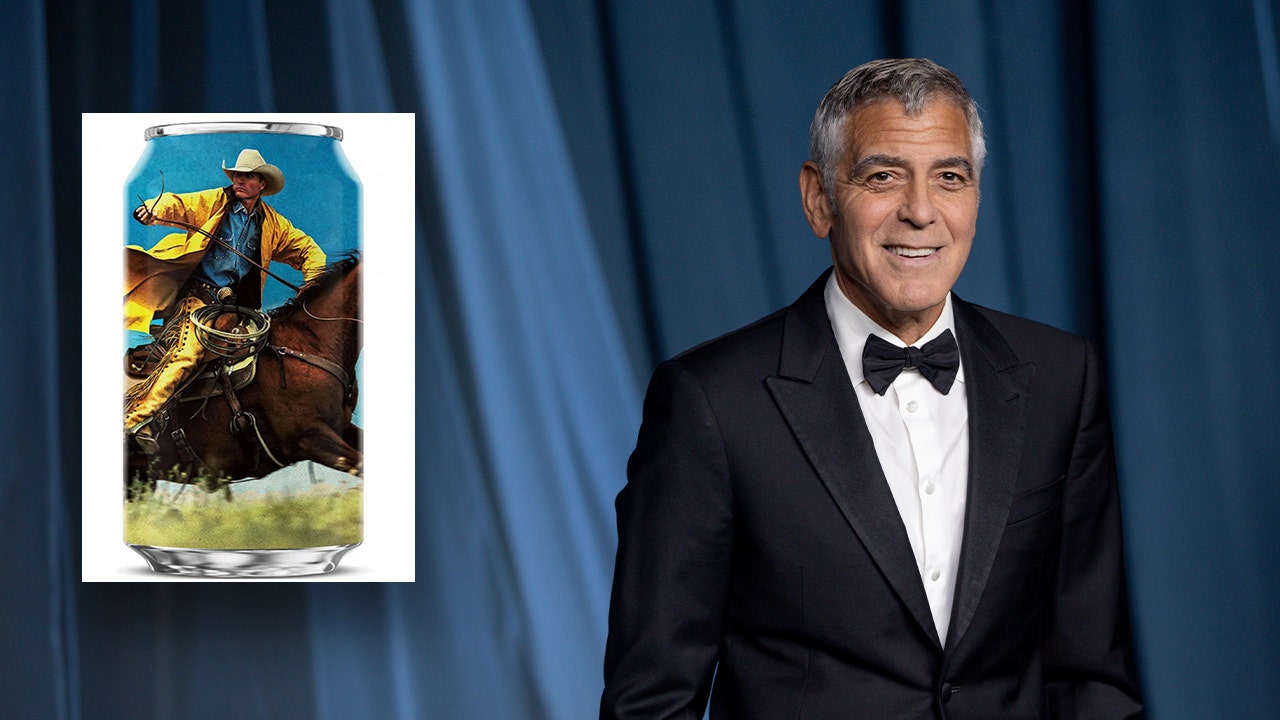
George Clooney, along with Casamigos co-founders Rande Gerber and Mike Meldman, is launching a non-alcoholic beer brand called Crazy Mountain. The brand leans heavily on Americana visuals — cowboys, open plains, and the tagline 'Live wide open' — and prominently states the product is 'Made in America.' The rollout targets select U.S. markets. The launch has drawn commentary because Clooney and his family recently became French citizens and moved to a farm in Provence; PR experts quoted in the story warn the imagery and marketing could invite accusations of inauthenticity or 'strip-mining Americana for cash.' The article also references Clooney's political visibility (including criticism from Donald Trump and Clooney's public support for Democrats), notes the founders’ previous billion-dollar exit with Casamigos tequila, and situates the product strategy in broader trends around patriotic branding and shifting drinking habits among younger generations.
Biblical Reflection
Scripturally speaking, this story raises questions about authenticity, stewardship, and witness. The concerns voiced by PR experts — that a public figure living abroad might profit from patriotic imagery while appearing detached from the lived realities of the people the imagery evokes — point to a biblical tension between outward presentation and inward motive. The Bible repeatedly calls followers to integrity (our words and actions should align) and warns against seeking gain as an ultimate end (the heart's orientation matters). At the same time, commerce and creativity are not inherently sinful; building brands and providing goods can be legitimate stewardship of gifts and resources. The key Christian critique is not celebrity entrepreneurship itself but the posture of the heart and the integrity of the witness: do marketing and lifestyle reflect honesty, humility, and love of neighbor, or do they prioritize profit and image at the expense of truth? Christians should be careful both to avoid quick moralizing of public figures (remembering grace and the complexity of motives) and to hold to a high standard for authenticity and justice in how cultural symbols — like national identity and patriotic imagery — are used. Practically, this calls believers to discernment as consumers, to prayer for public leaders and influencers, and to examine our own motives when we trade on symbols and identities for gain.
Scripture in context
This outlook does not yet include contextual Scripture citations. Do not treat a general biblical theme as an exegetical conclusion.
Faithful Response
No prescribed response is offered. Consider the reflection prompts below in your own church context.
Reflection and Discussion
- 1When I see patriotic or cultural imagery used in marketing, how do I discern whether it is honest celebration or exploitative branding?
- 2In my own life and work, where might I be tempted to prioritize image or profit over integrity and witness?
- 3How can I pray for and respond to public figures whose actions or marketing I find troubling, in a way that is both truthful and gracious?
Sources
Reporting links are evidence inputs; Sanctuary News' biblical reflection is commentary.
This outlook currently relies on fewer than two linked sources. Broaden verification before teaching from it.
- 1.Original reportprimary