A little more detail
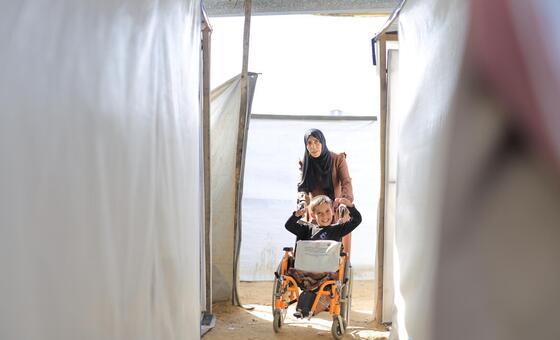
UN News reports that in Gaza a 10-year-old named Anas is one of three siblings described as born without legs and with only two fingers on each hand. The article says the children struggle to move and to perform daily tasks such as eating and writing independently.
The piece highlights that the siblings received their own mobility chair for the first time, which reportedly expanded their freedom and independence. The report does not identify who provided the chair, offer medical background, or outline any long-term rehabilitation or support plans; it is a single human-interest item from UN News.
Source and Framing Analysis
This update is based on a single UN News human-interest report focused closely on one family and the children's experience. The article provides specific, humanizing details (a name, ages, and physical description) and emphasizes positive change (the children gaining a personal chair). Key uncertainties remain: the report does not say who donated the chair, whether the children have ongoing medical or rehabilitation care, when the chair was delivered, or whether this case is part of a broader program. Because of that single-source framing, readers should treat the item as a corroborated human-interest account but not as exhaustive reporting on services or causes in Gaza.
How sources covered this story
This section compares the evidence and framing in linked reports. The Christian assessment above addresses the conduct described in the story; it does not grade a journalist’s faith or the morality of covering an event.
Compare 1 reports
Reporting 78/100
- Distinctive contribution
- Provides a concrete, humanizing example (age, name, family count, specific physical disabilities) and an emotional quote indicating improved autonomy, which is unlikely to be supplied by purely statistical or contextual sources.
- Framing
- Human-interest / empowerment framing: the headline and quote emphasize newfound freedom and dignity (a child's possession of 'his own chair'), suggesting a focus on positive change for a vulnerable individual.
- Omissions or uncertainty
- The excerpt lacks key contextual information: cause of the siblings' disabilities (congenital, conflict-related, environmental, etc.); who provided the chair or what assistance enabled the change; timing and location details beyond 'Gaza'; whether this is an isolated case or part of a broader program; and broader humanitarian or medical context.
- Why these scores
- The excerpt is specific (name, age, family detail, physical description) and includes a direct quote — hallmarks of responsible human-interest reporting. As supplied, it is concise and non-sensational. It does, however, omit explanatory context and sourcing (who helped, causes, scale), which limits its completeness for deeper reporting but not its immediate factual usefulness.
Christian commentary · About the conduct described in this story
Biblical Reflection
–40 frames mercy as service to vulnerable people, not just a good feeling. Giving a mobility chair affirms the children's dignity and helps them participate more fully in daily life, which aligns with Jesus’ teaching about caring for 'the least of these.'
Practically, Christians can celebrate such concrete help while asking how to pair immediate relief with longer-term support and advocacy. A simple personal response is to pray, give through vetted groups, and learn what follow-up care the children need.
Scripture in context
- 1 — In this teaching Jesus describes final judgment in terms of how people treated the hungry, strangers, sick, and needy. The passage calls communities to practical care for vulnerable neighbors, not just ritual observance. — This passage supports concrete acts of mercy—like providing assistive devices—and frames such help as central to Christian discipleship, urging both immediate aid and ongoing concern for dignity and justice.
A suggested response for readers, separate from the assessment above.
Faithful Response
Give to a reputable humanitarian organization serving people with disabilities in Gaza or nearby, ensuring support covers durable assistive devices and follow-up care.
Reflection and Discussion
- 1How does this story reshape who I count as my neighbor in global suffering?
- 2What steps can I take to support dignity and long-term care, not just one-off relief?
Sources
Reporting links are evidence inputs; Sanctuary News' biblical reflection is commentary.
This is a developing, single-source report. Details may change as more reporting becomes available.
- 1.‘For the first time I have my own chair’: Gaza siblings find new freedomofficial_document