News Summary
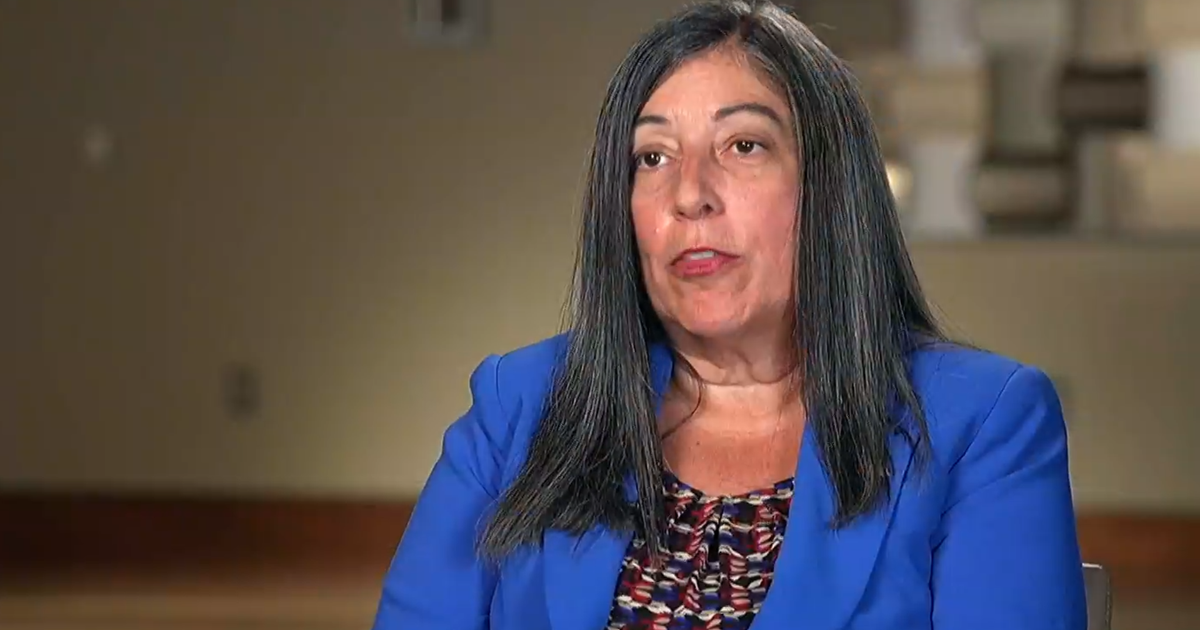
Former CDC chief medical officer Dr. Debra Houry, who resigned in protest last summer along with three other senior officials, told CBS News she observed turmoil and political interference at the Centers for Disease Control and Prevention after HHS Secretary Robert F. Kennedy Jr. sought major changes. Houry said Kennedy removed all 17 members of the Advisory Committee on Immunization Practices (ACIP) on June 9, 2025, and installed new members outside typical procedures; the reconstituted panel later voted on changes including removing thimerosal from all flu vaccines, ending the universal Hepatitis B birth dose recommendation, and reducing recommended shots in the childhood schedule. Houry reported that many of Kennedy’s advisers lacked medical or scientific backgrounds, that Kennedy declined briefings on a measles outbreak and sometimes spread misinformation about vaccines, and that required conflict-of-interest and ethics vetting for prospective ACIP members had not initially been completed. The shakeup prompted lawsuits and Congressional concern; a federal judge later halted most appointments, the votes taken by the new panel, and changes to the childhood schedule. Houry and others say the agency’s scientific integrity and public trust have been harmed, citing increased vaccine hesitancy, a measles epidemic, and some vaccine-preventable deaths. Houry also criticized efforts to focus narrowly on historical vaccine data when broader autism research was needed. CBS News sought comment from HHS; the article notes that 29 states and Washington, D.C., have stopped using CDC recommendations as a benchmark for childhood vaccinations.
Biblical Reflection
From a Christian perspective, the article raises questions about stewardship of truth, care for the vulnerable, and the proper use of authority. The reported actions—rapid personnel and policy changes, sidelining of experts, and apparent failures in standard vetting—point to a governance approach that privileged alignment with an agenda over established procedures and scientific norms. When public health decisions move away from transparent, evidence-based processes, the practical effect is harm to those least able to protect themselves—especially children and the immunocompromised. Christians should be attentive both to the real human cost (illness and deaths) and to the deeper moral issues: leaders are called to pursue truth, to listen humbly to competent experts, and to act in ways that protect neighbors. At the same time, Christian discernment asks us to avoid tribalism: legitimate questions about conflicts of interest and institutional capture deserve investigation, and concerns raised by officials should be examined fairly. The pastoral response is twofold—advocate for accountability, transparency, and the restoration of competent, evidence-driven public health practice; and extend mercy and humility toward people caught in politicized debates, remembering that fear and confusion often follow when institutions fail to model honesty and competence.
Scripture in context
This outlook does not yet include contextual Scripture citations. Do not treat a general biblical theme as an exegetical conclusion.
Faithful Response
No prescribed response is offered. Consider the reflection prompts below in your own church context.
Reflection and Discussion
- 1Are decisions being guided by open, evidence-based processes or by alignment with a political agenda?
- 2Who bears the practical burden when public trust in health institutions erodes, and how should Christians prioritize the protection of the most vulnerable?
- 3How can the church encourage both accountability from leaders and compassionate care for those harmed by policy shifts or misinformation?
Sources
Reporting links are evidence inputs; Sanctuary News' biblical reflection is commentary.
This outlook currently relies on fewer than two linked sources. Broaden verification before teaching from it.
- 1.Original reportprimary