News Summary
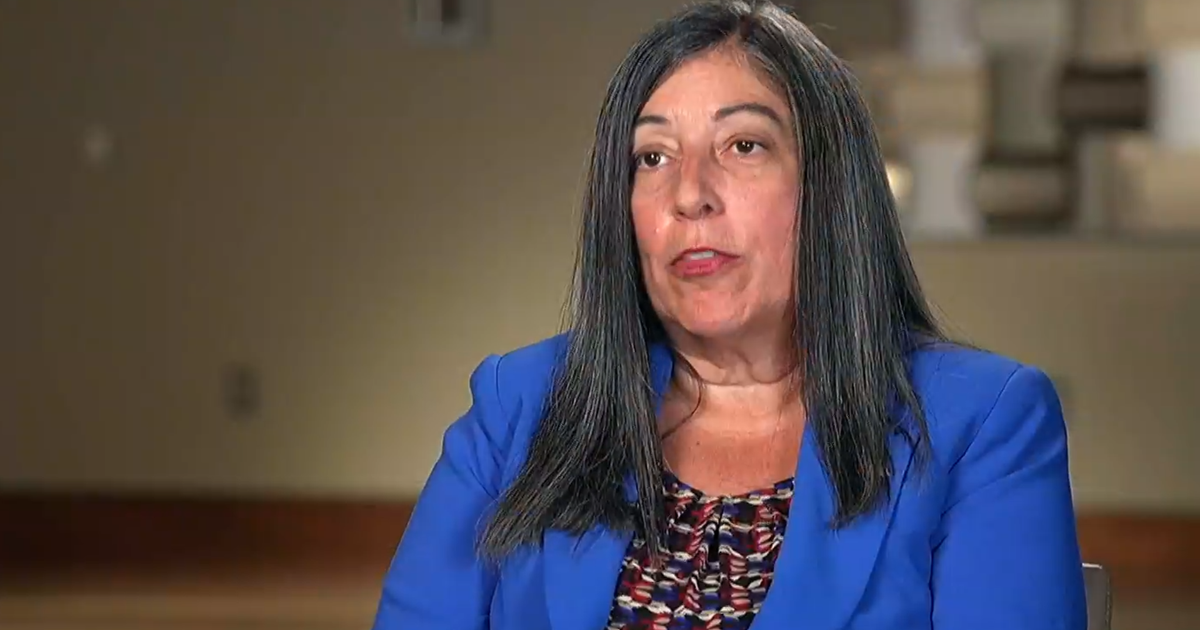
This is a full transcript of a July 1, 2026 interview with Dr. Debra Houry, the former CDC chief medical officer who left the agency in August 2025. Houry says she preserved emails and documents that were later released by a Senate committee (about 250 items) because she worried about political interference and scientific integrity. She describes early actions by the HHS secretary and political appointees to remove or alter CDC and FDA web content (including material referencing transgender topics and vaccine guidance), and later efforts to restore material after public scrutiny. Houry says she and CDC staff were directed to take down or alter vaccine-related communications (including a 'Wild to Mild' flu campaign) and that vaccine information removals risked public health during a severe flu season and amid a measles outbreak. She recounts repeated requests from HHS political aides for historical data and communication that she viewed as politically motivated, and she says many political appointees lacked medical or public-health backgrounds. Houry reports the secretary and allies sought to change membership of the federal vaccine advisory committee (ACIP), at times bypassing or delaying standard ethics/conflict-of-interest procedures; she says some proposed appointees had been associated with retracted research or disciplinary actions. She describes internal concerns about access to vaccine safety data, the hiring of outside researchers with controversial histories, and proposals to centralize hospital-level patient data in the secretary’s office. Houry says staff reductions under the administration significantly reduced CDC capacity, citing layoffs and loss of senior experts. She asserts that attempts to narrow autism research toward vaccine-focused datasets and public statements by the secretary contributed to misinformation and reduced public trust. Houry says she repeatedly offered briefings and fact checks that were not acted upon, and she resigned because she felt she could not protect the agency’s scientific integrity. She urges congressional review of the documents and actions.
Biblical Reflection
From a Christian pastoral perspective the core concerns Houry raises center on truth-telling, protecting the vulnerable, and responsible stewardship of public institutions. If accurate, politically driven editing of scientific guidance and sidelining of subject-matter experts risk real harm to children and other vulnerable people who rely on public-health recommendations — a failure that calls for accountability and repair. At the same time, this transcript represents one professional’s account; it should be weighed alongside other documents, testimony, and responses from those accused of misconduct. Christians should resist easy tribalism: demand truthful, verifiable information while avoiding demonization of individuals without full evidence. The Christian virtues at stake include honesty (insisting facts guide policy), courage (speaking even at personal cost), and mercy (caring for those frightened or misled). Practically, the situation highlights the need for institutional safeguards that protect scientific integrity, for transparency to rebuild trust, and for leaders to prioritize neighbor-love over ideological scoring. Pray for careful investigation, restoration of public trust where broken, and policies that protect life and health.
Scripture in context
This outlook does not yet include contextual Scripture citations. Do not treat a general biblical theme as an exegetical conclusion.
Faithful Response
No prescribed response is offered. Consider the reflection prompts below in your own church context.
Reflection and Discussion
- 1What independent records and perspectives exist beyond this transcript to confirm or challenge the specific allegations of political interference?
- 2How does a community measure and repair institutional trust when public-health decisions appear politicized?
- 3Are our instincts toward suspicion or allegiance shaping how we evaluate scientific claims, and how can we better seek verified facts before judgment?
Sources
Reporting links are evidence inputs; Sanctuary News' biblical reflection is commentary.
This outlook currently relies on fewer than two linked sources. Broaden verification before teaching from it.
- 1.Original reportprimary