News Summary
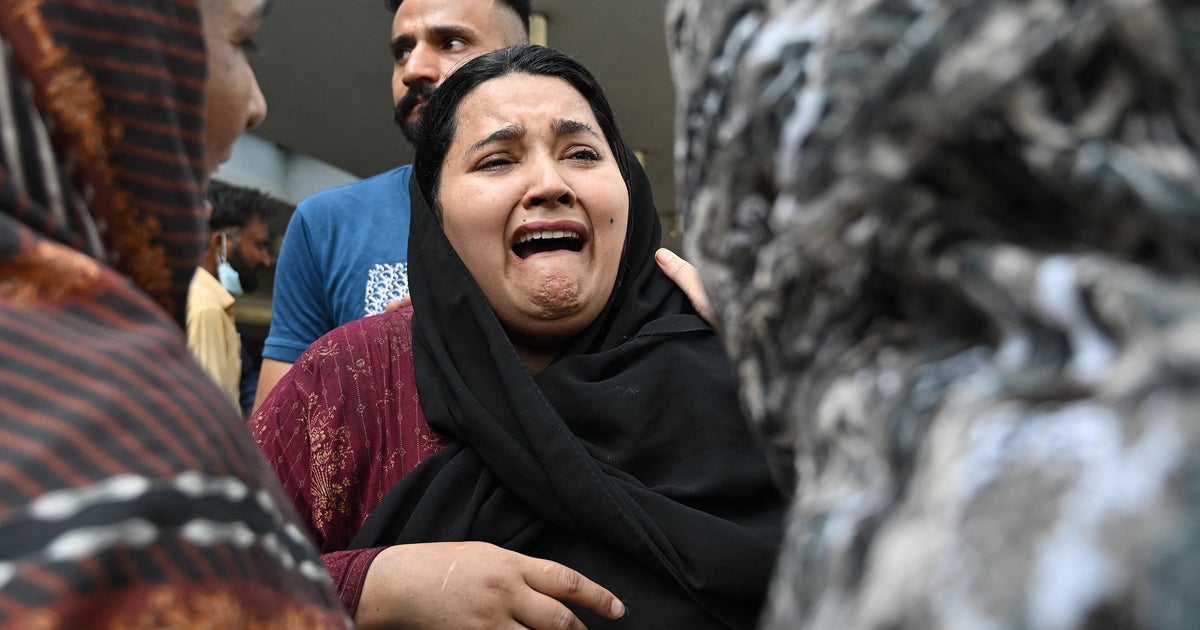
Early reports say a fire ripped through a newborn nursery ward at a major hospital in Islamabad, killing 14 newborn infants. NPR and CBS attribute the casualty count and location to hospital and government officials. CBS's supplied excerpt attributes a proximate cause to authorities, saying an air‑conditioning unit exploded; NPR's supplied excerpt gives a timing ('early Wednesday') and reports officials ordered an immediate inquiry. Neither supplied report names the hospital in the excerpts provided here, and neither offers independent forensic confirmation of the reported cause. Key uncertainties remain about the hospital's formal identity, whether there were injured survivors or affected staff, the status and findings of any forensic inquiry, and any systemic safety or regulatory failures implicated by the blaze.
Source and Framing Analysis
Both supplied reports rely on official attributions rather than independent forensic evidence. NPR frames its account cautiously, corroborating the casualty count and situating the event temporally while explicitly attributing information to hospital officials and the government and describing the facility as a major government hospital. CBS supplies a specific proximate cause — that an air‑conditioning unit exploded — and attributes that claim to authorities in Islamabad. Neither excerpt in the supplied material names the hospital or presents technical verification of the AC‑unit claim, and neither establishes broader context about maintenance, fire‑safety systems, staffing, or emergency response. That framing centers the human tragedy and official statements but leaves material questions about cause, accountability, and prevention unanswered.
Free every morning
Get the Daily Briefing
The stories shaping today—sourced carefully and considered through Scripture. No outrage bait.
Confirm by email. Unsubscribe at any time.
How sources covered this story
Sanctuary separately assesses reporting quality and alignment with Christian virtues. The virtues assessment considers truthfulness, dignity, compassion, justice, peacemaking, humility, and care for vulnerable people. It does not assess a publisher's faith or reward religious language.
Compare 2 reports
Reporting 78/100Virtues 78/100
- Distinctive contribution
- Names a proximate cause: an air-conditioning unit allegedly exploded, causing the fire that killed 14 newborns; attributes the claim to authorities in Islamabad.
- Framing
- Concise, factual statement attributing cause and casualty count to local authorities; no emotive language beyond the inherently tragic facts.
- Omissions or uncertainty
- No independent verification of the explosion cause is supplied; no hospital name, time of the incident, details about survivors or staff, investigation steps, or corroborating witnesses are provided.
- Why these scores
- The excerpt is succinct and attributes the causal claim to authorities, which is appropriate. It supplies a specific proximate cause (AC unit explosion) rather than asserting it as incontrovertible fact, but lacks corroborating detail and broader context (investigation status, hospital identity). For a short brief this is solidly reported but limited in depth. The language is respectful and non-sensational, focuses on facts and attribution, and does not dehumanize victims. The report shows concern for truth by attributing the cause to authorities, but offers limited context or follow-up about accountability or care for the affected, so not scored higher.
Reporting 76/100Virtues 76/100
- Distinctive contribution
- Corroborates casualty count (14 newborns), situates the event temporally ('early Wednesday'), and attributes the information to hospital officials and the government.
- Framing
- Neutral and factual; emphasizes official attribution and timing without speculative cause language in the supplied excerpt.
- Omissions or uncertainty
- Does not supply a cause for the fire, the specific hospital name, details about how the fire started, injuries beyond fatalities, or the status of any investigation in the supplied text.
- Why these scores
- The excerpt responsibly attributes information to officials and provides timing, which are appropriate practices for brief reporting. It lacks causal detail and broader context but does not overstate claims; a clear, reliable short update but limited in scope. The wording is sober and respectful, properly attributes information, and avoids sensationalism. The piece is empathetic by focusing on the human toll though it contains limited detail about victims' care or accountability, so it rates well but not at the top.
Biblical Reflection
This tragedy calls Christians to immediate compassion and to patient pursuit of truth and justice. We mourn with the bereaved, pray for comfort for grieving families and staff, and offer practical support to those harmed. At the same time, Christian charity requires resisting premature conclusions: we should support transparent, impartial investigation that can establish facts and prevent future harm. Our witness combines lament and active neighbor‑care — pastoral presence, coordinated relief, and advocacy for safer facilities — while practicing humility, dignity for victims, and insistence on accountability that aims at restoration rather than retribution.
Scripture in context
- 1Psalm 34:18 — A psalm traditionally associated with consolation and God's presence with the brokenhearted; it speaks to God's nearness in distress rather than eliminating suffering. — The passage grounds pastoral care in the assurance that God is near those who grieve. Congregations can draw on that assurance to offer presence, listening, and practical aid while supporting processes that seek truth and protect the vulnerable.
Faithful Response
Pray intentionally and publicly for the families who lost infants, for hospital staff, and for investigators — centering comfort and presence rather than political point‑scoring.
Provide immediate, practical support channeled through trusted local partners or congregational teams: visitation, meals, short‑term financial assistance for funerals, and grief counseling resources.
Organize or join a vetted relief effort rather than ad hoc collections; coordinate with local churches or charities to ensure aid reaches affected families and does not compound their burden.
Encourage and pray for a transparent, impartial inquiry; advocate for forensic confirmation of causes, accountability where negligence is found, and concrete safety improvements to protect future patients.
Offer pastoral care to hospital workers who are traumatized and may face blame or suspicion; balance support for families with care for frontline caregivers.
Free every morning
Get the Daily Briefing
The stories shaping today—sourced carefully and considered through Scripture. No outrage bait.
Confirm by email. Unsubscribe at any time.
Reflection and Discussion
- 1How can my congregation hold compassionate presence for grieving families while also supporting a fair and transparent investigation?
- 2What practical, sustainable forms of support can our church offer that respect the dignity and privacy of affected families?
- 3In what ways should our commitment to justice shape how we advocate for hospital safety, regulation, and accountability after this event?
- 4Are we prepared to offer pastoral care to hospital staff and first responders as well as to bereaved families?
Sources
Reporting links are evidence inputs; Sanctuary News' biblical reflection is commentary.
- 1.14 newborns killed as fire tears through Pakistani hospital's nurseryprimary_reporting
- 2.Hospital nursery fire kills 14 newborns in Pakistan's capital, officials order immediate inquiryadditional_reporting