News Summary
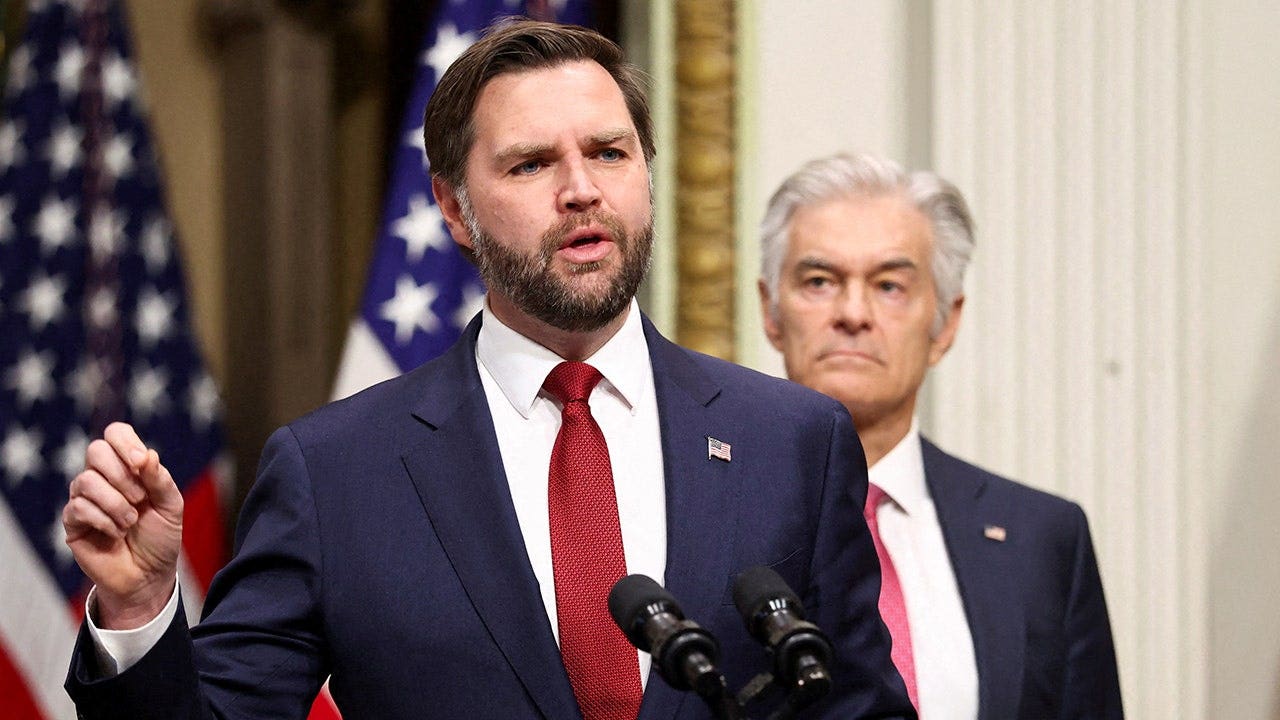
Officials from the White House Anti-Fraud Task Force, the Department of Justice, and the Centers for Medicare & Medicaid Services (CMS) reported a reported increase in Medicare billing for tissue and organ transplant products (allografts) from $200 million in 2019 to $14.4 billion in 2025—a rise characterized in the article as a 7,100% increase. CMS identified roughly 4,200 suspicious allograft claims totaling about $224 million through May 2026. The task force and CMS say they have denied 96% of transplant-related claims submitted since March (per the administration's announcement), and have taken actions against suppliers: suspending payments to 102 DME suppliers and revoking billing privileges for an additional 725 suppliers. Administration statements cited recovered funds, arrests, criminal charges (including a separate Justice Department indictment of 15 people in Minnesota tied to $90 million in alleged fraudulent claims), and broader takedowns of major Medicaid fraud schemes. The task force was created by executive order from President Trump and is led by Vice President JD Vance, with CMS Administrator Mehmet Oz and DOJ officials publicly promoting enforcement results. The article is a Fox News report quoting administration and agency spokespeople and summarizes those officials' claims and enforcement actions.
Biblical Reflection
Christian discernment affirms the good of rooting out theft and abuse that prey on the elderly and sick—protecting the vulnerable and stewarding public resources is a biblical concern. At the same time, the report is driven largely by administration sources and rhetoric; some claims (large percentage increases, the share of claims denied, or statements that fraud has been "effectively wiped out") may be framed for political effect and require independent verification. A sharp billing increase can reflect multiple causes—fraud, coding or policy changes, expanded services, or billing errors—so disciples of truth should press for transparent methodology, due process for accused providers, and safeguards that prevent enforcement from cutting off necessary care. The situation calls for both justice (holding bad actors accountable) and mercy (protecting patients who depend on equipment and services), along with humility about how numbers are reported and how political incentives may shape narratives.
Scripture in context
This outlook does not yet include contextual Scripture citations. Do not treat a general biblical theme as an exegetical conclusion.
Faithful Response
No prescribed response is offered. Consider the reflection prompts below in your own church context.
Reflection and Discussion
- 1What independent data or audits confirm that the reported 7,100% increase reflects fraud rather than coding, coverage, or utilization changes?
- 2Do enforcement actions include safeguards so patients continue to receive necessary equipment and care while investigations proceed?
- 3How might administrative or political incentives shape which enforcement results are highlighted and how they are described to the public?
Sources
Reporting links are evidence inputs; Sanctuary News' biblical reflection is commentary.
This outlook currently relies on fewer than two linked sources. Broaden verification before teaching from it.
- 1.Original reportprimary