News Summary
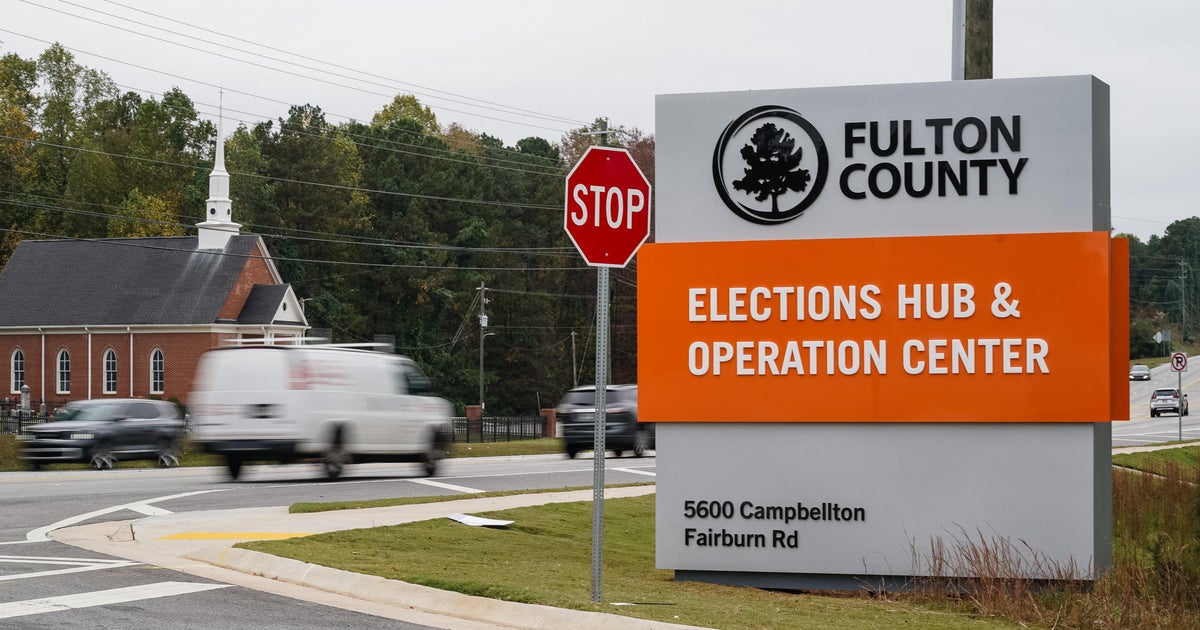
Two FBI analysts were fired after raising concerns that the FBI's investigation into the 2020 election results in Fulton County, Georgia, lacked sufficient evidence and appeared politically motivated, according to sources. Earlier this year the FBI executed a search warrant and seized physical ballots, vote-tabulating machine tapes, ballot images, and voter rolls; the bureau mobilized roughly 260 analysts to review thousands of records. Analysts were assigned to review spreadsheet entries containing names, addresses, and voter IDs, cross-check entries against the commercial records database Accurint, and flag discrepancies. Sources told CBS News that some analysts questioned whether Accurint data are current and whether discrepancies necessarily indicate wrongdoing. The analysts facing a July 17 deadline were fired last week, per sources; the firings were first reported by MS Now. The FBI issued a statement affirming it investigates credible election-related allegations and expects employees to adhere to standards. It is unclear how the bureau plans to use the review results; observers noted a likely five-year statute of limitations on potential charges would have expired in late 2025 or early 2026. The probe was referred to the FBI by Kurt Olsen, an attorney previously involved in efforts to overturn 2020 election results who now works at the Justice Department. Fulton County sought return of the seized ballots and other relief; a judge denied returning the ballots but recently quashed a grand jury subpoena seeking names and contact information of county election workers. CBS News reached out to Accurint's parent company for comment.
Biblical Reflection
This story raises concerns about the intersection of law enforcement, politics, and public trust. From a Christian perspective, the pursuit of truth and justice requires careful, impartial inquiry and transparency; when investigators and institutions appear politicized, it damages trust and wounds the common good. The article reports both procedural facts (what was seized, who was assigned to review it) and contested judgments (whether the probe is thin or politically motivated). Christians should be cautious about treating personnel actions or preliminary data reviews as proof of widespread fraud; likewise, Christians should demand accountability if power is being used for partisan ends. The use of a commercial records database with known limitations (Accurint) and questions about statutes of limitation suggest the review may have limited legal effect but significant political impact. Pastoral discernment calls us to advocate for processes that honor truth, protect the vulnerable (including election workers), and heal civic divisions. That means pressing for transparency, resisting premature conclusions or conspiracy-driven narratives, and praying for integrity among officials on every side.
Scripture in context
This outlook does not yet include contextual Scripture citations. Do not treat a general biblical theme as an exegetical conclusion.
Faithful Response
No prescribed response is offered. Consider the reflection prompts below in your own church context.
Reflection and Discussion
- 1What standards of evidence should we require before accepting claims that an election inquiry is legitimate or politically motivated?
- 2How does the involvement of politically connected actors and the use of imperfect commercial databases affect the credibility of an investigation?
- 3If a review is unlikely to produce prosecutions but can erode public trust, how should civic institutions balance fact-finding with the duty to preserve social stability?
Sources
Reporting links are evidence inputs; Sanctuary News' biblical reflection is commentary.
This outlook currently relies on fewer than two linked sources. Broaden verification before teaching from it.
- 1.Original reportprimary