News Summary
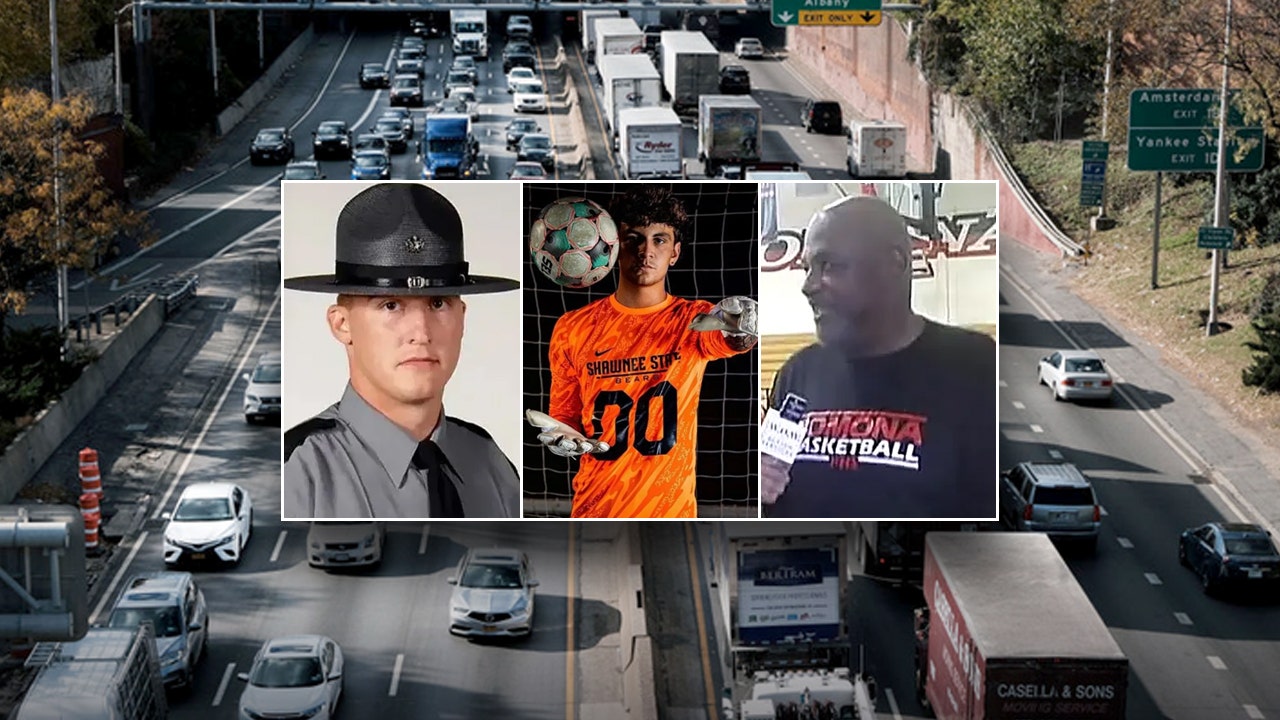
On July 1, 2026, a semi-truck driven by Michael Bon struck a marked Pennsylvania State Police patrol vehicle during a roadside commercial-vehicle inspection on Interstate 81 in Schuylkill County; Trooper Michael E. Pahira Jr., 44, later died and Bon was charged with homicide by vehicle, involuntary manslaughter, reckless driving and other charges. Federal and state officials say Bon entered the U.S. under humanitarian parole in July 2024, had his parole terminated and removal ordered in June 2025, but remained in the country and obtained a Massachusetts non-domiciled commercial driver's license that was renewed prior to recent federal restrictions. The Fox News report connects this crash to a series of other fatal collisions in 2024–2026 involving drivers described as noncitizens or in the country without authorization; some of those cases include allegations of language barriers, failed exams, or licensing-system failures. In response, federal agencies moved to close what officials described as a loophole for non-domiciled CDLs, reinstated enforcement of English-proficiency rules, tightened eligibility for foreign truckers, and increased roadside enforcement. Congressional lawmakers and industry groups have proposed or supported legislation to set minimum behind-the-wheel training and to codify federal restrictions on non-domiciled commercial licenses. Industry representatives say broader long-term regulatory and training shortcomings in the trucking sector also contribute to safety risks.
Biblical Reflection
The article highlights real tragedies and concrete policy responses, but readers should separate immediate facts from broader narrative framing. Reporting a sequence of crashes involving noncitizen drivers raises legitimate public-safety and regulatory questions—about licensing standards, language proficiency at inspections, enforcement of removal orders, and oversight of training programs. At the same time, emphasizing immigration status can create a causal impression that status alone explains crashes; a balanced assessment requires data on relative crash rates, licensing-system failures, employer practices, and enforcement gaps. Christian discernment calls for truth-seeking (identify system failures and hold responsible parties accountable), mercy (avoid dehumanizing migrants or treating individual cases as evidence condemning all), humility (recognize complexity and avoid fear-driven scapegoating), and neighbor-love (advocate for policies that protect public safety while upholding dignity and due process). Prayerful civic engagement should press for reforms that reduce road deaths, support fair and consistent enforcement, and address root causes such as inadequate training, regulatory loopholes, and exploitative labor practices.
Scripture in context
This outlook does not yet include contextual Scripture citations. Do not treat a general biblical theme as an exegetical conclusion.
Faithful Response
No prescribed response is offered. Consider the reflection prompts below in your own church context.
Reflection and Discussion
- 1Does the article present these incidents as a representative national pattern or a selected set of cases, and what additional data would clarify the true scale of the problem?
- 2Which systems failed (licensing, employer oversight, immigration enforcement, training standards) and who bears institutional responsibility beyond individual drivers?
- 3How might fear or political framing shape public demand for immediate fixes that address symptoms rather than underlying causes?
Sources
Reporting links are evidence inputs; Sanctuary News' biblical reflection is commentary.
This outlook currently relies on fewer than two linked sources. Broaden verification before teaching from it.
- 1.Original reportprimary