News Summary
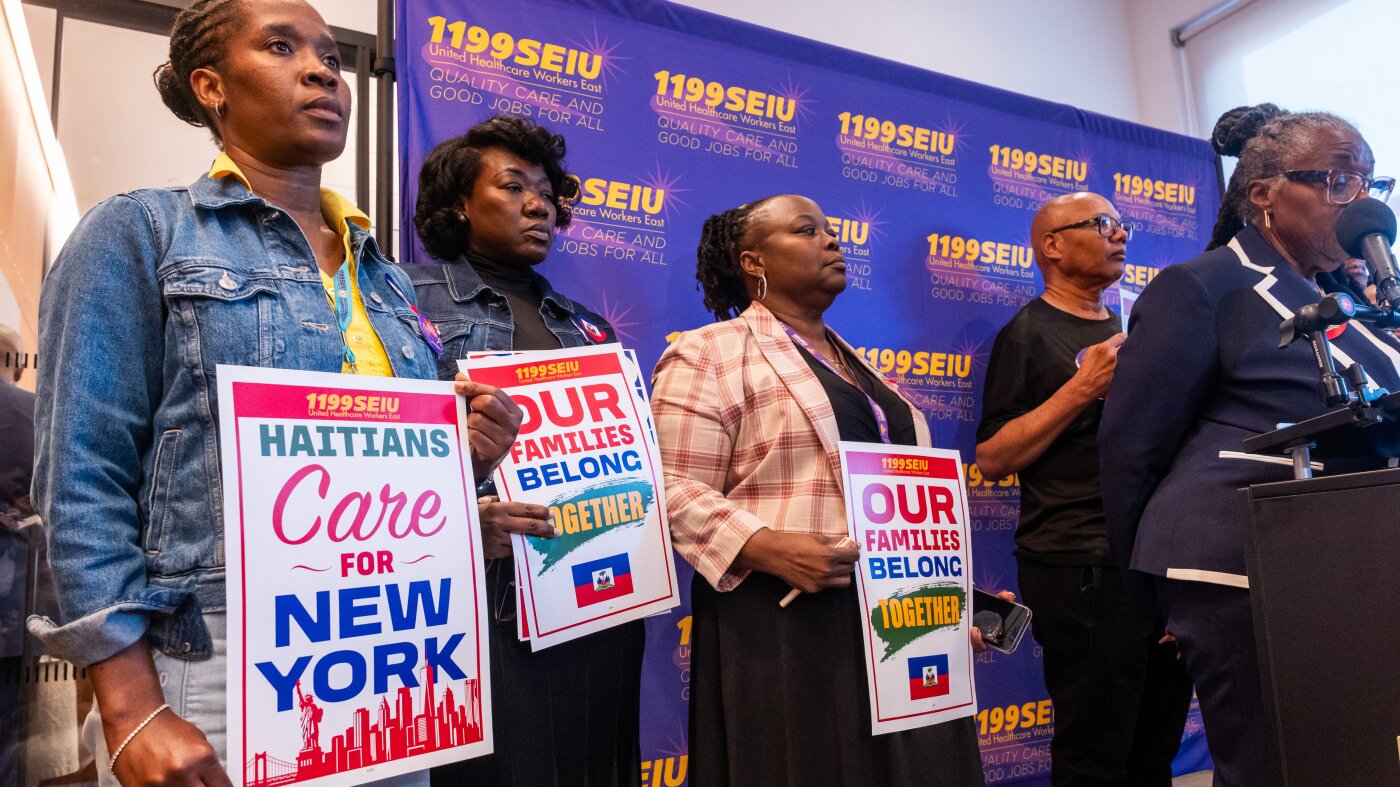
The U.S. Supreme Court ruled in a way that allows the Trump administration to end Temporary Protected Status (TPS) for nationals from certain countries; the decision affects more than 330,000 Haitian TPS holders and roughly 4,000 Syrian TPS holders. The Department of Homeland Security announced existing Employment Authorization Documents for affected TPS recipients will expire on July 10. Experts and organizations warn that withdrawing TPS and work authorization would remove large numbers of immigrant health workers from the U.S. labor pool. Census-derived estimates cited by researchers put roughly 50,000 physicians in the U.S. in the noncitizen category and about 145,000 registered nurses likewise noncitizens; advocacy groups estimate about 21,000 Haitian TPS holders serve in hard-to-fill roles such as nursing assistants and caregivers. Health-sector leaders and researchers say staffing shortfalls already lead to hospitals closing beds and nursing homes turning away admissions; they warn deportations or lost work permits would worsen shortages, particularly in long-term care and home care. States and local communities with sizable Haitian populations (Florida, New York, Massachusetts, and specific cities like Springfield, Ohio and Boston) report acute anxiety among TPS recipients and their families. Community leaders and nonprofit advocates are advising TPS holders on contingency steps (power of attorney, guardianship plans) amid limited details from the administration on implementation.
Biblical Reflection
This reporting highlights a real and measurable risk to public health and vulnerable people if large numbers of legally working caregivers lose authorization suddenly. Scripture calls Christians to protect the vulnerable and to be just and compassionate in civic life; from that perspective the likely consequences—reduced care for elders, pressure on emergency services, and increased family insecurity—deserve serious moral concern. At the same time, public policy and court decisions operate within legal frameworks and competing goods (national sovereignty, rule of law, immigration control). The article emphasizes the workforce angle and quotes experts and community leaders; it mostly centers the likely harms but provides less detail about legal reasoning or the administration's stated rationale. Readers should therefore weigh the credible labor-market and human consequences presented here alongside the legal and policy arguments that produced the ruling. Practically, Christian discernment calls for clarity about facts, compassion for affected neighbors, and constructive engagement with civic channels to seek policies that balance lawful governance with mercy, public safety, and the common good.
Scripture in context
This outlook does not yet include contextual Scripture citations. Do not treat a general biblical theme as an exegetical conclusion.
Faithful Response
No prescribed response is offered. Consider the reflection prompts below in your own church context.
Reflection and Discussion
- 1Which human needs and civic responsibilities does this policy decision prioritise, and which does it endanger?
- 2Are the projections and numbers cited verifiable and proportionate to the policy response, or might some impacts be overstated or undercounted?
- 3How should Christians weigh respect for legal processes against the call to show mercy to immigrants who provide essential services?
Sources
Reporting links are evidence inputs; Sanctuary News' biblical reflection is commentary.
This outlook currently relies on fewer than two linked sources. Broaden verification before teaching from it.
- 1.Original reportprimary