News Summary
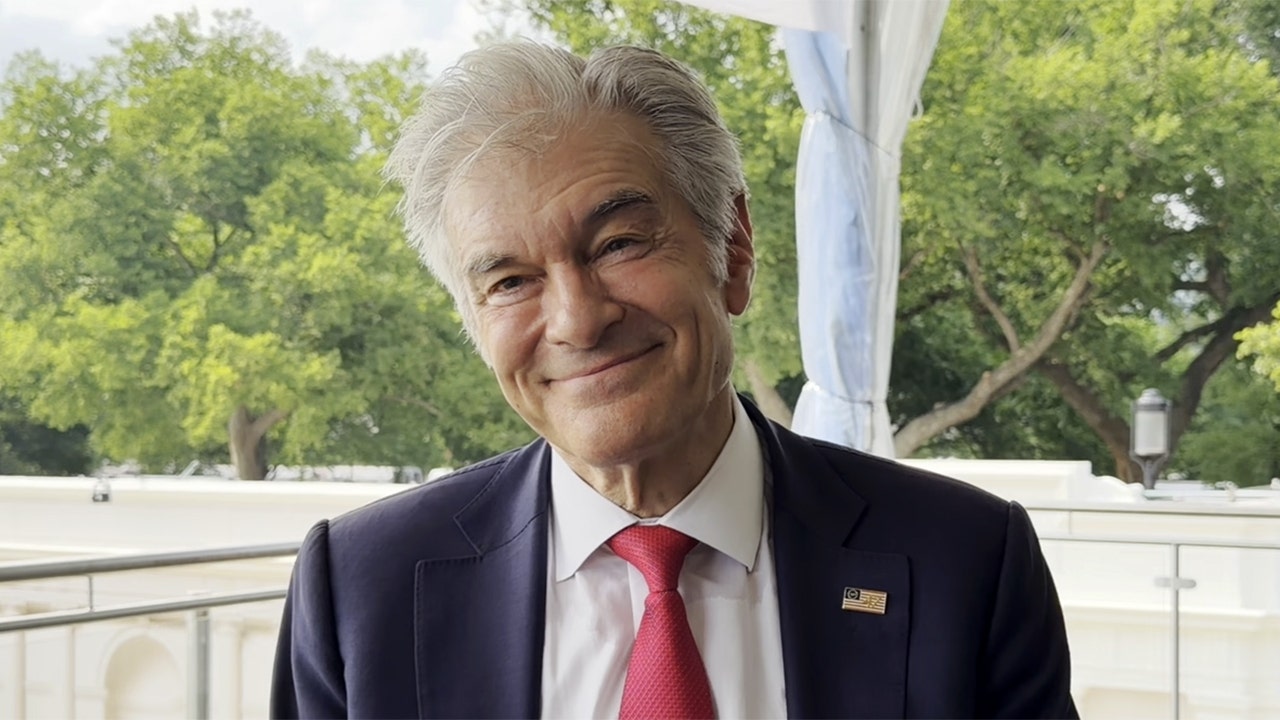
In a July 6, 2026 interview at the Great American State Fair in Washington, D.C., Centers for Medicare & Medicaid Services (CMS) Administrator Dr. Mehmet Oz said Medicare fraud costs about $100 billion a year and harms taxpayers and seniors. He described common fraud schemes — billing for services not provided, overcharging for equipment, using stolen patient or provider information, and performing unnecessary procedures — and warned scammers often target seniors to steal Medicare beneficiary numbers and other personal data. Oz said fraud increases identity theft, unnecessary care, higher premiums, and reduced access, and that removing fraud could materially extend the Medicare trust fund’s life. CMS reported $41.9 billion in Medicare program integrity savings in 2025, an increase from $26.3 billion in 2024. Oz’s advice to seniors: never give your Medicare number or personal information to unknown callers and do not answer or respond to suspicious calls.
Biblical Reflection
The report highlights a real and serious problem: fraud in public benefits both wastes resources and harms vulnerable people. The CMS administrator’s warnings are consistent with government concern about program integrity and the practical need to protect seniors from identity theft and inappropriate medical interventions. At the same time, public messaging can blur distinctions between fraud, administrative waste, and necessary spending; careful listeners should note when broad dollar estimates are cited without explaining whether they refer to proven criminal fraud, improper payments, or systemic inefficiencies. From a Christian pastoral perspective, the piece calls us to defend the vulnerable, practice wise stewardship of shared resources, and pursue truth without stoking fear. That means supporting accurate enforcement, honest reporting, and patient protection while resisting narratives that scapegoat caregivers or amplify panic. Churches and ministries can respond by educating seniors, offering patient advocacy, and encouraging reporting of abuse — all framed by compassion and accountability rather than alarm alone.
Scripture in context
This outlook does not yet include contextual Scripture citations. Do not treat a general biblical theme as an exegetical conclusion.
Faithful Response
No prescribed response is offered. Consider the reflection prompts below in your own church context.
Reflection and Discussion
- 1Does this coverage distinguish criminal fraud from broader waste or policy-driven costs, and how does that affect how we judge remedies?
- 2Who benefits when public health problems are described mainly with large dollar figures, and does that framing encourage constructive reform or fear?
- 3How can faith communities partner with authorities to protect seniors without contributing to mistrust of legitimate caregivers and programs?
Sources
Reporting links are evidence inputs; Sanctuary News' biblical reflection is commentary.
This outlook currently relies on fewer than two linked sources. Broaden verification before teaching from it.
- 1.Original reportprimary