News Summary
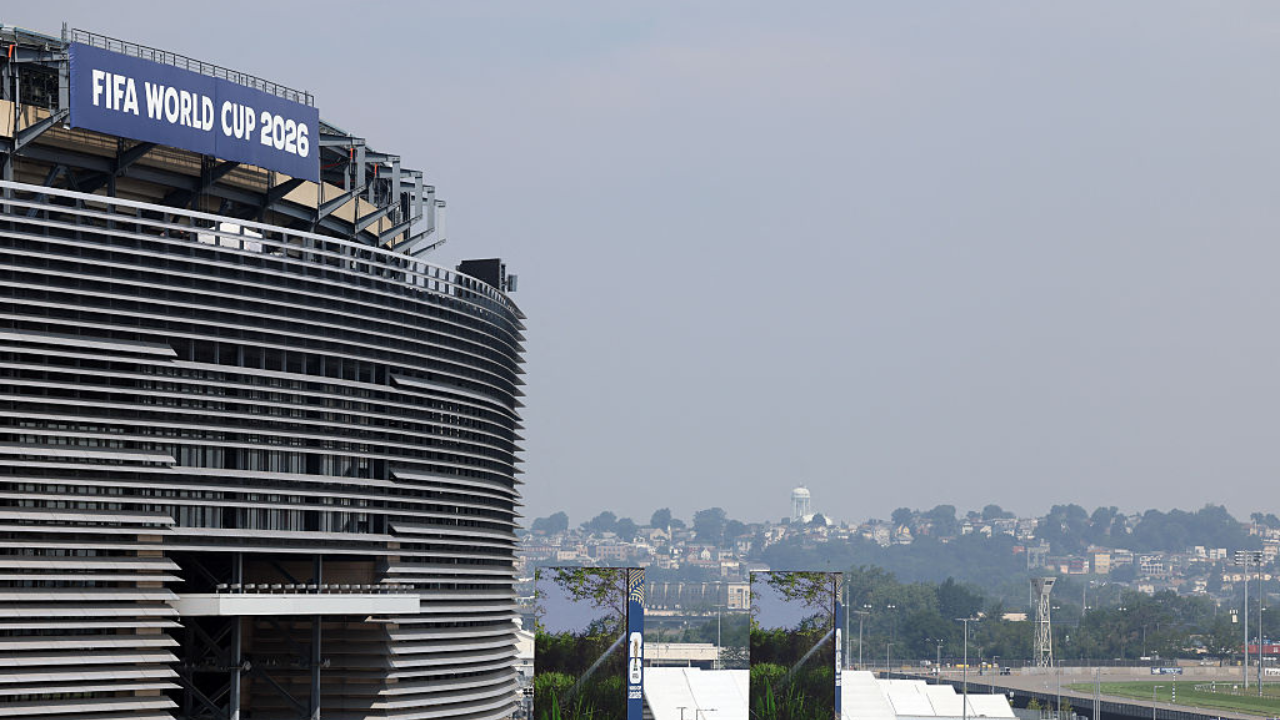
Reported facts: Multiple Canadian wildfires produced smoke that spread into the U.S. Midwest and Northeast in mid‑July 2026, causing hazardous air quality in several cities; Fox Weather reported specific AQI readings (East Rutherford at 245; Detroit over 600) and attributed comments and forecasts to meteorologist Bob Van Dillen; Fox reported informal monitoring by FIFA and the White House and said no contingency plans had been announced. Attributed claims: Van Dillen's health analogies (e.g., playing 90 minutes equals smoking two cigarettes), and the forecast that a cold front would push much smoke offshore by Saturday night, lowering AQI to about 75 by Sunday. Uncertainties: precise AQI values in each location and the timing of smoke clearing depend on evolving measurements and forecasts; the article relied on unnamed sources for FIFA/White House discussions and did not include official statements from FIFA or local public‑health authorities in the article text.
Source and Framing Analysis
Source roles: Fox News provided the primary article with on‑camera meteorologist analysis and event reporting; CBS News provided separate reporting on political reactions. Missing voices: local public‑health agencies (state or city health departments), FIFA official spokespersons, the New York/New Jersey stadium authority, and Canadian wildfire or emergency management officials are not quoted in the Fox piece; scientific sources (EPA, NOAA, or local air‑monitoring networks) were not directly cited. Incentives and framing: Fox combined weather reporting with sports event coverage; political elements (in the corroborating CBS story) introduce partisan claims that may amplify anger or demand policy responses. Disputed or unverifiable elements: specific AQI peak numbers and the status of contingency planning are presented without direct links to primary data or named officials; political claims blaming another country for the fires are contested by Canadian officials and require further documentary support. What needs independent verification: instantaneous AQI readings and trends from official monitoring stations, statements from FIFA about contingency plans, and authoritative public‑health guidance for exposed populations.
Free every morning
Get the Daily Briefing
The stories shaping today—sourced carefully and considered through Scripture. No outrage bait.
Confirm by email. Unsubscribe at any time.
Biblical Reflection
The article largely reports meteorological facts and expert interpretation; its substance rests on observable air quality data and a named meteorologist’s forecast. The immediate truth claim—that Canadian wildfire smoke has degraded air quality in the Northeast and could affect the World Cup final—is supported by AQI readings cited. The piece sometimes uses dramatic language (e.g., “apocalyptic” sky) which leans toward sensational description, but key health measures and forecasts are presented through an expert source. From a Christian pastoral perspective, this story raises questions of responsibility and care: first, for public safety and the vulnerable (children, elderly, those with respiratory illness) whose health is directly threatened; second, for those who fight and manage wildfires and for communities affected at their source. It also surfaces stewardship concerns about how human activity and climate trends are increasing wildfire frequency and scope, calling believers to informed advocacy and compassionate relief. Christians should weigh the value of public gatherings against clear health risks, resist minimizing harm for the sake of spectacle, and prioritize neighbor-love—supporting officials who act prudently, aiding affected communities, and seeking facts from experts rather than amplifying alarm. The article’s framing centers on event impact and logistics rather than deeper causes; readers should be wary of conflating necessary reporting on immediate hazards with ignoring systemic environmental and social factors that increase such risks.
Scripture in context
- 1Genesis 2:15 (stewardship) — In the early chapters of Genesis, humankind is placed in the garden to serve and guard it; this establishes a theological footing for human responsibility toward creation rather than absolute domination or neglect. — Applied here, the passage challenges Christians to support both immediate aid for people harmed by wildfire smoke and public policies that address land‑management, prevention, and climate drivers that increase extreme fire seasons.
- 2Luke 10:30–37 (Good Samaritan) — Jesus tells the parable of the Good Samaritan to redefine 'neighbor' and show that love is expressed by concrete care for the hurt person, not by religious or political positioning. — This story calls churches to practical mercy for those suffering from poor air quality — offering shelter, masks, and support — and to resist exploitative blame that ignores shared responsibility to help those in immediate danger.
Faithful Response
Check official local AQI and public‑health advisories before making personal or congregational plans; offer practical aid (open air‑conditioned/filtered spaces, provide N95s for vulnerable people, and assist those who must work outdoors); pray for victims and responders; encourage local churches and leaders to contact municipal authorities to coordinate shelter and assistance; advocate for long‑term prevention measures grounded in science and neighborly cooperation.
Free every morning
Get the Daily Briefing
The stories shaping today—sourced carefully and considered through Scripture. No outrage bait.
Confirm by email. Unsubscribe at any time.
Reflection and Discussion
- 1Which named sources in the story are primary (e.g., air‑monitoring agencies, meteorologists, health departments, FIFA officials) and which are secondary or anonymous?
- 2Where does the article move from observed data to prediction or opinion, and how should that affect our level of trust in each sentence?
- 3What incentives might lead political actors to amplify blame, and how can Christians test such claims against available evidence?
- 4Are there long‑term causes or policy responses the article omits that should be part of a faithful public conversation?
Sources
Reporting links are evidence inputs; Sanctuary News' biblical reflection is commentary.
- 1.Canadian Wildfire Smoke and New Jersey World Cup Finalprimary_reporting
- 2.Trump Threatens Tariffs Over Canadian Wildfire Smokeadditional_reporting