News Summary
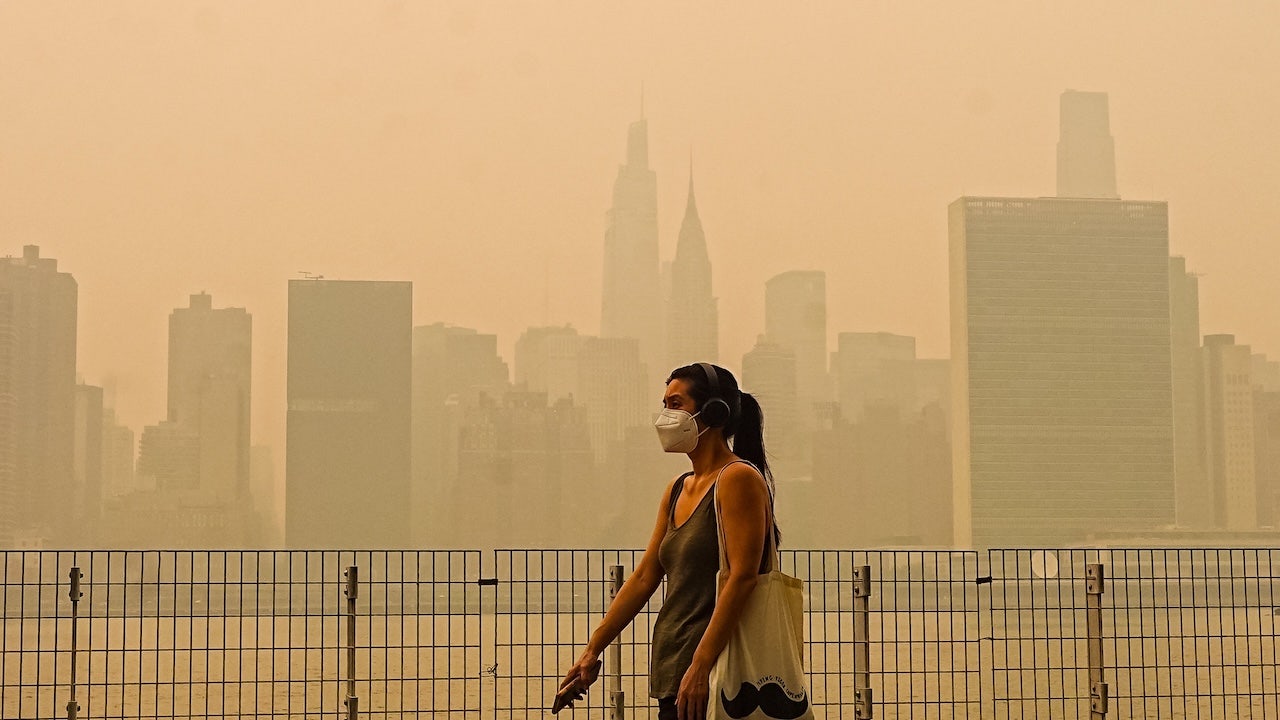
Reported facts: Fox News reports smoke from hundreds of Canadian wildfires has crossed into the U.S., prompting air-quality alerts across more than 20 states and D.C.; the article attributes counts of active fires to NASA (more than 180 in Ontario; nearly 850 across Canada). Medical experts quoted (Dr. Fernando Safdie) and agencies cited (EPA, CDC, American Heart Association) describe PM2.5 as the principal hazard and list associated respiratory and cardiovascular effects. The article provides CDC/EPA-recommended protective measures. Attributed claims: the article attributes the specific fire counts to NASA and long-term health risks to EPA and recent research. Uncertainty: the article does not include direct links to the cited NASA, EPA, or CDC source documents nor local AQI data for specific communities; time-sensitive numbers may change rapidly.
Source and Framing Analysis
Source role: The piece is health reporting built around a clinician’s quotes and agency guidance; Fox acts as intermediary reporting expert and agency claims. Missing voices: local public-health officials in hardest-hit communities, Indigenous and rural communities in Canada, representatives of outdoor workers, and primary source links to NASA/EPA/CDC data are absent. Incentives and framing: the article emphasizes health risks and protective steps (public service framing) and uses clinical authority to underscore urgency. Disputed claims and political context: the supplied corroborating CBS piece shows political responses blaming Canada and proposing tariffs; that dispute is not part of the Fox health report but is part of the broader public discussion and can distract from cooperative public-health response. What requires independent verification: current fire counts, real-time AQI values for specific localities, and the latest peer-reviewed findings about long-term outcomes from acute wildfire-smoke exposure.
Free every morning
Get the Daily Briefing
The stories shaping today—sourced carefully and considered through Scripture. No outrage bait.
Confirm by email. Unsubscribe at any time.
Biblical Reflection
The article aims to inform the public about a real, evidence-based health hazard and largely relies on recognized experts and agencies; its intent appears to be practical warning rather than alarmism. The scientific framing—PM2.5 as the primary danger, identification of high-risk groups, and clear mitigation steps—aligns with stewardship of our bodies and duty of care for neighbors. However, readers should note some gaps: the piece emphasizes health effects without exploring upstream causes (such as factors that increase wildfire frequency) or systemic barriers to protection (cost and access to HEPA purifiers, masks, or cooled shelters). The coverage rightly urges caution for vulnerable people but may create undue anxiety if risks are not proportionately framed (short-term exposure for most people is unlikely to cause lasting harm, while extreme exposures and repeated events are more concerning). Christians are called both to protect the vulnerable and to steward creation responsibly; this situation invites prayerful action that balances calm, truthful public health response with advocacy for policies that reduce wildfire risk and support communities who cannot easily shield themselves from polluted air.
Scripture in context
- 1Luke 10:25–37 (Parable of the Good Samaritan) — A legal expert asks Jesus what is required to inherit eternal life; Jesus tells a parable where a Samaritan, not the religious bystanders, stops to care for an injured man, demonstrating mercy across ethnic and social boundaries. — The passage calls the church to practical neighbor-love that crosses political and cultural lines—here, offering care and shelter, resisting scapegoating, and attending to those harmed by environmental disaster.
Faithful Response
Individuals can (1) monitor local AQI and follow agency guidance, (2) protect household air (use HEPA purifiers, set HVAC to recirculate), (3) obtain and correctly fit N95 masks for necessary outdoor exposure, (4) check on vulnerable neighbors and arrange help for those who lack clean-air shelter or resources, and (5) avoid politicized blame in public conversation while encouraging cooperative cross-border disaster response.
Free every morning
Get the Daily Briefing
The stories shaping today—sourced carefully and considered through Scripture. No outrage bait.
Confirm by email. Unsubscribe at any time.
Reflection and Discussion
- 1Is the coverage centered on practical public-health guidance or on politicized attribution of blame, and how does that affect public response?
- 2Who is absent from the reporting (local officials, affected workers, Indigenous voices), and how might their inclusion change the story?
- 3Are recommended interventions (N95s, HEPA filters, shelter options) feasible for the most vulnerable, and what barriers exist to access?
Sources
Reporting links are evidence inputs; Sanctuary News' biblical reflection is commentary.
- 1.Canadian Wildfire Smoke Affects Over 20 U.S. Statesprimary_reporting
- 2.Trump Threatens Tariffs Over Canadian Wildfire Smokeadditional_reporting