News Summary
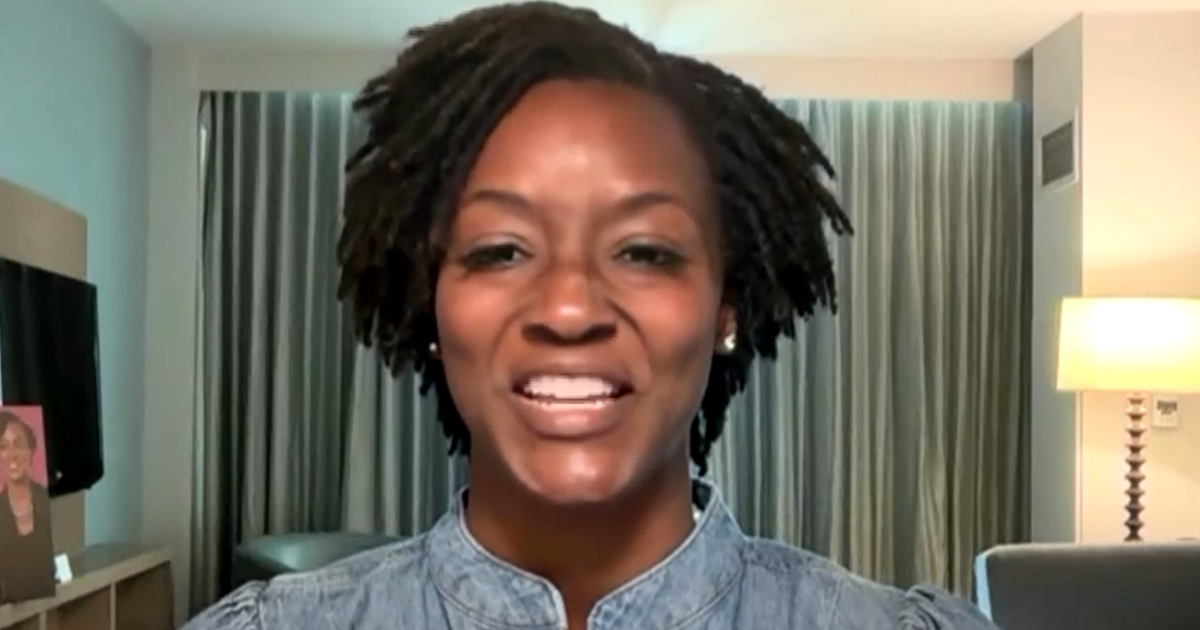
Florida state representative Angie Nixon won the Democratic primary for the U.S. Senate in Florida, defeating Alexander (Alex) Vindman. The victory advances Nixon to the November general election, where reporting names Republican Ashley Moody as the expected GOP opponent. Coverage converges on the outcome but differs in emphasis: CBS framed Nixon with the label "democratic socialist" in a headline and attributed to her the line "it's not about labels"; The Guardian described the result as an upset for the Democratic establishment, identified Nixon as a member of the Democratic Socialists of America and — citing Florida Politics in its excerpt — reported a large reported fundraising gap (approximately $975,000 for Nixon versus $16.3 million for Vindman); PBS NewsHour characterized Nixon’s general-election path as a long-shot. The supplied items corroborate the core result but omit official vote totals, certification status, full candidate statements and platforms, and independent verification of the reported fundraising figures.
Source and Framing Analysis
All three supplied outlets corroborate the primary outcome (Nixon over Vindman) and that Nixon will face a Republican in November. They differ in framing and selective detail: CBS foregrounded an ideological label in its headline and attributed a quote to Nixon that pushes back on labeling; The Guardian emphasized an underdog/establishment-upset narrative and supplied a Florida Politics–attributed fundraising disparity; PBS NewsHour emphasized electoral difficulty for Nixon in November. These framing choices (labels such as "democratic socialist," the "upset" narrative, and the fundraising gap) shape reader perception by focusing attention on identity and resource disparities rather than on precise vote totals or policy specifics. Source-specific details that require attribution or further verification include CBS’s quoted line and headline phrasing; The Guardian’s claim that Nixon is a Democratic Socialists of America member and the Florida Politics–attributed fundraising figures (reported in the supplied excerpt as roughly $975,000 vs. $16.3 million); and PBS’s long-shot characterization. Common omissions across the supplied excerpts are official vote totals and margins, certification timing, full statements from Nixon and Vindman, Nixon’s detailed policy agenda for the general election, and independent confirmation of the fundraising numbers (including whether totals include outside spending or in-kind support). Readers should treat labels and narrative frames as starting points for further inquiry rather than definitive summaries of governance priorities.
How sources covered this story
Sanctuary separately assesses reporting quality and alignment with Christian virtues. The virtues assessment considers truthfulness, dignity, compassion, justice, peacemaking, humility, and care for vulnerable people. It does not assess a publisher's faith or reward religious language.
Compare 4 reports
Reporting 82/100Virtues 78/100
- Distinctive contribution
- Names the November Republican opponent (Ashley Moody) and supplies specific fundraising figures comparing Nixon ($975,000) to Vindman ($16.3m) with a cited source (Florida Politics).
- Framing
- Frames Nixon’s win as a surprising upset and emphasizes the fundraising disparity and underdog nature of her campaign relative to Vindman and establishment support.
- Omissions or uncertainty
- Does not provide vote totals/percentages, turnout, exact date of the primary in the excerpt, or deeper explanation of how Nixon overcame the funding gap; attribution for some claims is to 'Florida Politics' but the excerpt doesn't include methodology.
- Why these scores
- Provides specific, attributable quantitative details (fundraising with a named source) and clear identification of actors and stakes. The explanation is concise and appropriately sourced in the excerpt; fuller context (vote counts, methodology) is lacking in the snippet but this does not undermine the useful data provided. Reporting is factual, transparent about sources of the fundraising figures, and frames the story without demeaning language. The focus on structural factors (funding gap) helps illuminate power imbalances rather than personal attacks, aligning with virtues of fairness and justice.
Reporting 78/100Virtues 75/100
- Distinctive contribution
- Candidate quote ('They call us extreme, they call us radical') and explicit framing of the result as surprising in conservative Florida; notes that Alex Vindman had been cast as the establishment standard-bearer.
- Framing
- Presents Nixon’s victory as an upset that challenges party orthodoxy and as a rebuke to labels applied by opponents; positions Vindman as the establishment favorite expected to carry the banner.
- Omissions or uncertainty
- Does not supply vote totals or percentages, exact date of the primary, detailed campaign issues, or the name of the November Republican opponent in this excerpt.
- Why these scores
- Supplied excerpt includes attribution and a direct candidate quote and places the result in political context. The language is interpretive but grounded in named actors; however, the excerpt lacks numerical results and other granular detail. Tone is respectful and non‑sensational, includes direct quotes and clear attribution, and avoids dehumanizing language. The piece emphasizes political surprise rather than attacking individuals; it does not explicitly engage with moral or humanitarian framing.
Reporting 72/100Virtues 74/100
- Distinctive contribution
- Plain statement of victory over Vindman and that the result advances Nixon to a race against a GOP incumbent (implied in the excerpt).
- Framing
- Straightforward news framing of an electoral outcome; headline suggests Nixon is pushing back on ideological labeling.
- Omissions or uncertainty
- Does not include vote margins, fundraising, specific policy positions, or the full quote implied by the headline in the supplied text.
- Why these scores
- Excerpt is concise and fact‑oriented, consistent with basic news reporting. The supplied text lacks detail but appears appropriately attributed and non‑speculative. Tone is respectful and factual, avoids inflammatory language, and centers the subject's voice (headline quote) which supports dignity and fairness in reporting.
Reporting 70/100Virtues 74/100
- Distinctive contribution
- Concise characterization of Nixon’s post-primary status as a 'long-shot' for the U.S. race.
- Framing
- Frames Nixon’s primary win chiefly in terms of the uphill odds she faces in the general election.
- Omissions or uncertainty
- Excerpt is minimal and lacks specifics: no vote totals, opponent identity, reasons for being a 'long-shot', or campaign context.
- Why these scores
- PBS routinely offers sober, cautious reporting; the supplied excerpt is short but appropriately cautious in framing Nixon as a long-shot. The lack of additional details in the excerpt limits assessment. Neutral, non‑inflammatory wording that responsibly communicates uncertainty about electoral prospects; no demeaning language or exploitation of subjects in the snippet.
Biblical Reflection
Christians should attend both to the factual reality of this primary result and to higher goods shaped by the gospel: truth, mercy, justice, peacemaking, humility, dignity, and care for vulnerable neighbors. Election coverage that foregrounds labels and personalities offers an opportunity to practice humility and discernment rather than rush to partisan celebration or caricature. Evaluate candidates by how their proposals and records are likely to affect people in need (the poor, sick, elderly, immigrants, those facing housing or employment insecurity) more than by shorthand tags. The church’s posture should combine honest truth-telling about public consequences with mercy toward political opponents, active peacemaking in polarized conversations, and sustained service to neighbors regardless of electoral outcomes.
Scripture in context
- 1Philippians 2:3-4 — Paul urges the Christian community to humility and to consider others’ needs alongside their own, grounding unity and service in the life of the church. — Approach political opponents and news about candidates with humility; prioritize neighbor-care over partisan advantage when assessing candidates and policies.
- 2Matthew 22:37-40 — Jesus frames the law around love of God and love of neighbor, which orients ethical decisions toward relationships and the welfare of others rather than mere technical compliance. — Let love of neighbor guide civic judgment: ask how policies and leaders will protect and serve vulnerable people rather than focusing primarily on identity labels or tribal victories.
Faithful Response
Pray for wisdom for voters, protection and humility for those serving publicly, and charity in public conversation.
Examine and share candidates’ substantive policy proposals and voting records rather than relying on labels or headlines.
Organize or attend nonpartisan forums where candidates or informed representatives explain plans for issues affecting vulnerable neighbors (health care, housing, disaster response, voting access).
Continue or begin local service projects (food distribution, legal clinics, housing assistance) that meet tangible needs irrespective of political outcomes.
Model civil conversation: ask questions to understand others’ convictions, correct misinformation gently, and prioritize relationships over partisan scoring.
Hold elected leaders accountable to the common good through measured advocacy that centers truth, justice, and mercy.
Reflection and Discussion
- 1How does the label "democratic socialist" affect my immediate reaction to Angie Nixon before I examine her record and proposals?
- 2Which neighbor groups in Florida (low-income families, uninsured people, elderly, immigrants, etc.) are likely to be most affected by Senate-level policy choices, and how should that shape my evaluation of candidates?
- 3Where have I seen humility, peacemaking, or truthfulness in recent civic conversations, and how can I cultivate those virtues personally and in my congregation?
- 4What concrete, nonpartisan actions can my congregation take in the next months to serve the common good regardless of electoral outcomes?
Sources
Reporting links are evidence inputs; Sanctuary News' biblical reflection is commentary.
- 1.Florida democratic socialist Angie Nixon says "it's not about labels"primary_reporting
- 2.Democratic socialist Angie Nixon clinches surprise primary win in Florida US Senate raceadditional_reporting