A little more detail
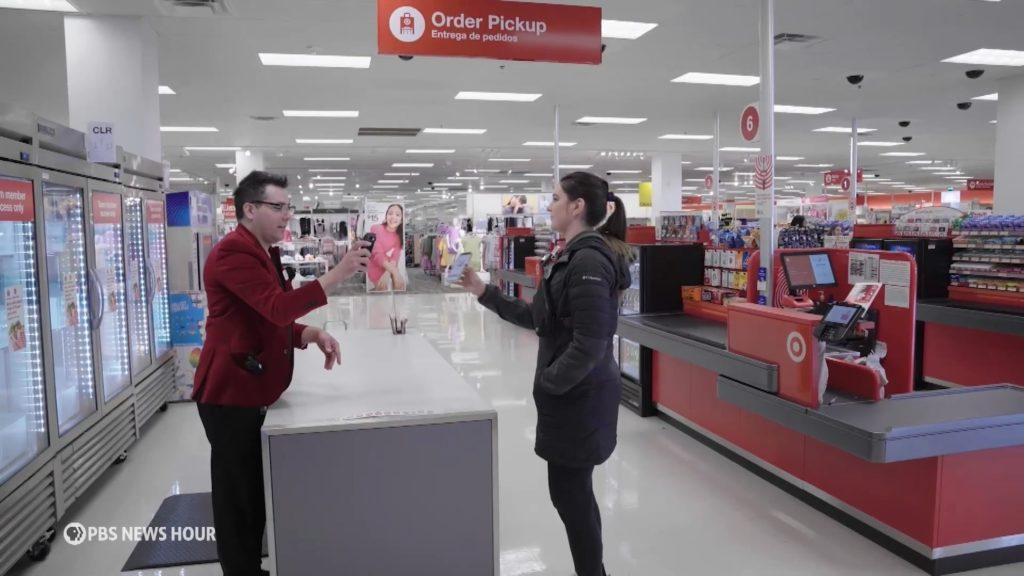
PBS economics correspondent Paul Solman reports that companies are using sophisticated AI and algorithmic tools to set and personalize prices for goods and services. The piece notes that these tools can influence how much consumers spend and that, as Americans face rising costs, such pricing technologies are receiving greater scrutiny. The reporting presents the development as a transformation in how prices are determined and highlights public concern about the effects on household budgets.
Source and Framing Analysis
The article is a short explainer from a single PBS NewsHour piece and frames the story around consumer cost concerns. It states broad claims about technology transforming pricing without naming companies, presenting detailed examples, or offering independent data on scale or consumer harm. That framing emphasizes economic anxiety and ethical questions but leaves open how widespread or harmful specific practices are.
How sources covered this story
This section compares the evidence and framing in linked reports. The Christian assessment above addresses the conduct described in the story; it does not grade a journalist’s faith or the morality of covering an event.
Compare 1 reports
Reporting 72/100
- Distinctive contribution
- Concise framing that links advanced pricing tools (implicitly AI) to profit-maximizing behavior and contemporary public concern about inflation and cost-of-living pressures.
- Framing
- Neutral-to-concerned consumer-focused framing: presents corporate profit-maximization as long-standing while emphasizing new sophistication of tools and heightened scrutiny because many Americans are frustrated by rising costs.
- Omissions or uncertainty
- No concrete examples of companies, specific AI tools or methods, empirical evidence, data on price changes, who is conducting the scrutiny (regulators, journalists, academics, public), possible harms or benefits to different consumer groups, or proposed remedies/policies. The excerpt does not define what counts as an AI tool or how it differs from prior pricing techniques.
- Why these scores
- The excerpt is clear, concise, and responsibly hedged (it frames longstanding corporate goals but notes new sophistication and scrutiny). However, it is only a brief summary without attribution, evidence, or supporting specifics—appropriate as an introduction but limited for in-depth understanding.
Christian commentary · About the conduct described in this story
Biblical Reflection
Modern pricing technology can push companies toward greater profit by tailoring prices and offers to each customer. That drive for revenue is not new, but AI increases speed, scale and subtlety. Christians should note both the factual concerns — opaque algorithms, uneven power between firms and shoppers, and possible harm to those least able to absorb higher costs — and the moral ones: commerce called to honesty, protection of the vulnerable, and truthful communication.
The response should be measured. We should press for transparency and fair rules while showing mercy to neighbors harmed by hidden price practices. At the same time, avoid simple panic about new tech; demand honest information, advocate for justice, and seek practical consumer protections that reflect love of neighbor.
Scripture in context
- 1 — A proverb addressing fair commerce in ancient Israel, condemning dishonest weights and measures and linking honest trade to divine approval. — Used as a moral lens for modern pricing: transparent, fair pricing upholds neighbor dignity and aligns with biblical concern for honest business practices.
A suggested response for readers, separate from the assessment above.
Faithful Response
Learn how pricing works (compare prices, read terms), support transparency measures, vote for consumer protections, and offer practical help to neighbors struggling with higher costs.
Reflection and Discussion
- 1How does the reported use of AI pricing tools affect the dignity of vulnerable consumers?
- 2What signs of truthfulness or deception should Christians look for in corporate pricing practices?
Sources
Reporting links are evidence inputs; Sanctuary News' biblical reflection is commentary.
This is a developing, single-source report. Details may change as more reporting becomes available.
- 1.How companies are using AI to make you spend more moneyprimary_reporting