A little more detail
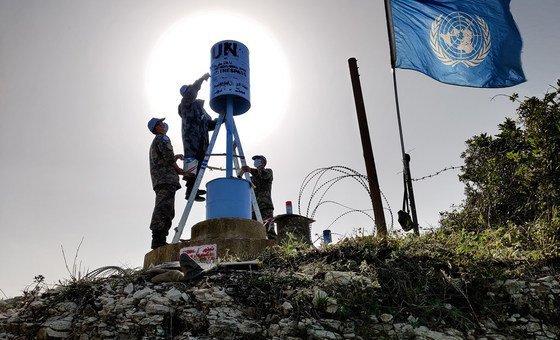
UN News reports that UN peacekeepers who for 48 years patrolled the Blue Line are preparing to withdraw. The article quotes the peacekeepers’ own assessment that southern Lebanon remains volatile and that communities rebuilding their lives face extreme difficulty.
The report also notes a significant decrease in hostilities following a June agreement involving the United States, Lebanon and Israel, but emphasizes ongoing instability and humanitarian strain. The piece is attributed to UN peacekeepers and does not supply a timetable, troop numbers, or local perspectives.
Source and Framing Analysis
This report is a primary account from UN News conveying the peacekeepers' own assessment. It frames the exit as occurring amid a reduction in hostilities after a June trilateral agreement, while highlighting continuing volatility and hardship for civilians. Missing operational details (exact withdrawal timeline, troop counts, mandate changes) and absent local or independent perspectives limit our ability to judge immediate security consequences and contingency plans.
How sources covered this story
This section compares the evidence and framing in linked reports. The Christian assessment above addresses the conduct described in the story; it does not grade a journalist’s faith or the morality of covering an event.
Compare 1 reports
Reporting 72/100
- Distinctive contribution
- Reports that, despite a significant post-June decrease in hostilities following a trilateral agreement, UN peacekeepers say southern Lebanon remains volatile and rebuilding remains extremely difficult for local communities.
- Framing
- Framed as an authoritative observation from UN peacekeepers emphasizing a contrast between an overall reduction in hostilities and persistent instability affecting civilian rebuilding efforts; neutral tone and attribution to a UN source.
- Omissions or uncertainty
- No supporting data (incident counts, timelines, locations) or quotes; no detail on what 'volatile' entails; no specifics about the June agreement's terms or implementation; no local civilian perspectives or humanitarian metrics; although the title mentions an exit, the excerpt does not supply details about the withdrawal timing or conditions.
- Why these scores
- Clear, cautious language with proper attribution to UN peacekeepers and a balanced contrast between decreased hostilities and ongoing harm. The excerpt is concise and avoids sensationalism. It is limited by lack of concrete details, data, sources beyond the UN peacekeepers, and context about the June agreement or the mentioned exit.
Christian commentary · About the conduct described in this story
Biblical Reflection
calls peacemakers blessed because they work to repair relationships and protect life. In context, Jesus links peacemaking with active care for community wellbeing, not passive neutrality.
Practically, Christians can pray for those most at risk, support trustworthy humanitarian efforts, and urge authorities to secure clear protections for civilians during the transition. That combines mercy with a demand for justice and practical safeguards.
Scripture in context
- 1 — Part of the Sermon on the Mount where Jesus blesses those who embody kingdom values; peacemakers are called children of God and urged to pursue reconciliation. — This passage urges Christians to seek peace and safety for neighbors; a withdrawal that changes protections should prompt prayer, advocacy, and concrete care for those exposed.
A suggested response for readers, separate from the assessment above.
Faithful Response
Pray for affected communities, give to verified humanitarian organizations working in Lebanon, and ask your church to monitor credible updates and preparedness efforts.
Reflection and Discussion
- 1How should Christians weigh national sovereignty against protecting vulnerable civilians when peacekeepers leave?
- 2What signs would show that diplomatic agreements are producing real and lasting safety for border communities?
Sources
Reporting links are evidence inputs; Sanctuary News' biblical reflection is commentary.
This is a developing, single-source report. Details may change as more reporting becomes available.
Download source notes