News Summary
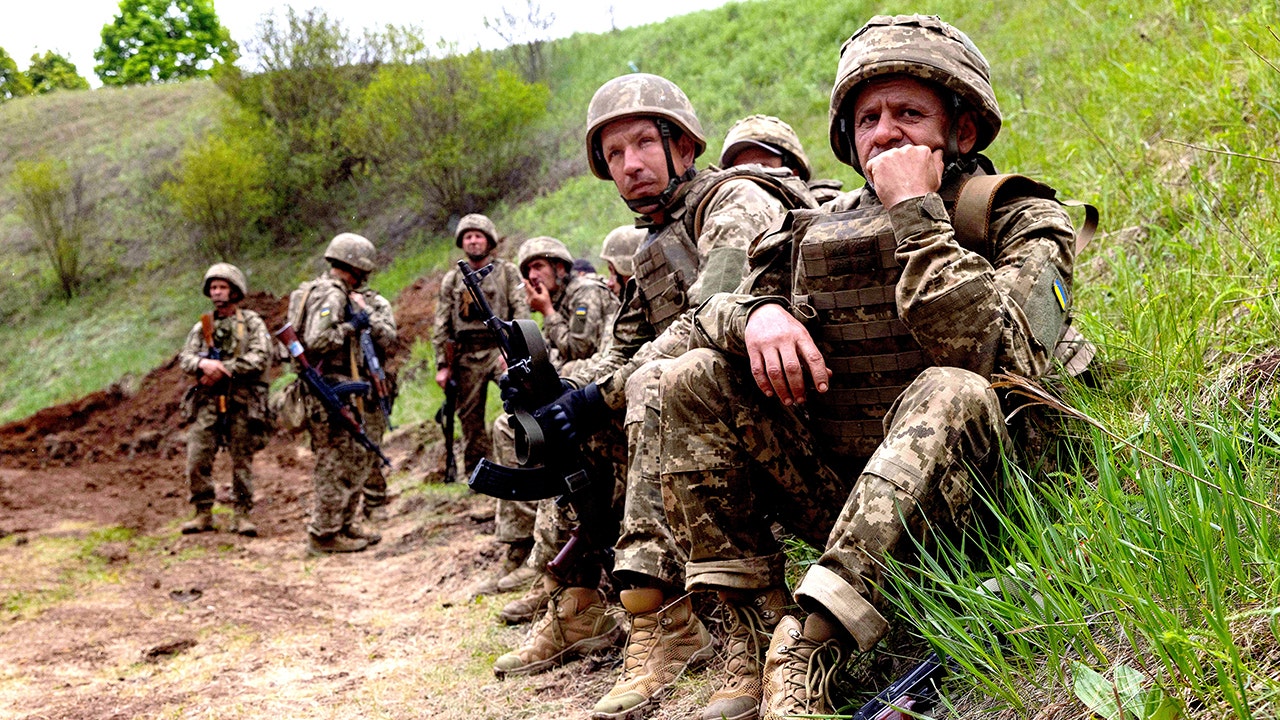
Four years into Russia's 2022 invasion, NATO officials and Eastern European leaders say Ukraine's battlefield experience — particularly rapid adoption of drones, cyber defenses, decentralized weapons production and wartime industrial adaptation — is influencing how NATO and European militaries plan for future conflicts. Ukrainian and Polish officials, retired NATO commanders, and U.S. politicians cited Ukraine's combat-tested forces and industrial pivots as lessons for improving munitions production and battlefield capabilities. Ukraine has been invited to attend NATO's leaders' summit in Ankara in July 2026. The article notes NATO's recent enlargement (Finland 2023, Sweden 2024), Poland's increased defense spending (nearly 5% of GDP), discussion of a European-led conventional defense model coined by some as "NATO 3.0," and concerns about Western munitions stockpiles. The piece frames Ukraine as a key source of operational and industrial innovations shaping NATO strategy despite Ukraine not being a formal member.
Biblical Reflection
Christian discernment should acknowledge several truths in this reporting while resisting simplistic narratives. Factually, Ukraine's wartime innovations and sustained fighting have produced operational lessons that NATO members are studying; it is reasonable for alliances to adapt to new technologies and logistical realities. At the same time, the article reflects a security-first worldview that privileges military preparation and technological advantage. That emphasis is understandable in the face of aggression, but a Christian perspective must hold multiple convictions together: governments bear responsibility to protect the vulnerable (Romans 13:1-4), and Christians are called to be peacemakers (Matthew 5:9). We should neither romanticize war nor ignore the moral cost of its technologies. Drone warfare and decentralized armaments raise ethical questions about dehumanization, civilian risk, and remote killing that Scripture and Christian ethics press us to consider. The article also shows geopolitical bias in foregrounding Eastern European voices and security anxieties — valid perspectives given proximity to Russia — while giving less weight to diplomatic alternatives or the humanitarian toll on civilians. Practically, believers should support prudent preparation for defense while advocating for justice, care for civilians, clear moral limits on methods of war, and persistent pursuit of negotiated peace. Finally, remember that military readiness and technology are tools, not ultimate guarantors of justice or peace; Christians place ultimate trust in God and call leaders to pursue policies that protect life, restrain evil, and seek reconciliation where possible.
Scripture in context
This outlook does not yet include contextual Scripture citations. Do not treat a general biblical theme as an exegetical conclusion.
Faithful Response
No prescribed response is offered. Consider the reflection prompts below in your own church context.
Reflection and Discussion
- 1What assumptions about security, power, and progress shape the article's emphasis on military innovation, and which alternative priorities (diplomacy, humanitarian protection, arms-control) receive less attention?
- 2How does the rise of drone warfare and decentralized weapons production change our moral vocabulary about combatants, civilians, and responsibility for harm?
- 3In what ways should Christians balance support for collective defense with the biblical call to be peacemakers and to minimize harm to innocents?
Sources
Reporting links are evidence inputs; Sanctuary News' biblical reflection is commentary.
This outlook currently relies on fewer than two linked sources. Broaden verification before teaching from it.
- 1.Original reportprimary